Can Dogs Suffer From PTSD? A Comprehensive Guide for Concerned Dog Lovers
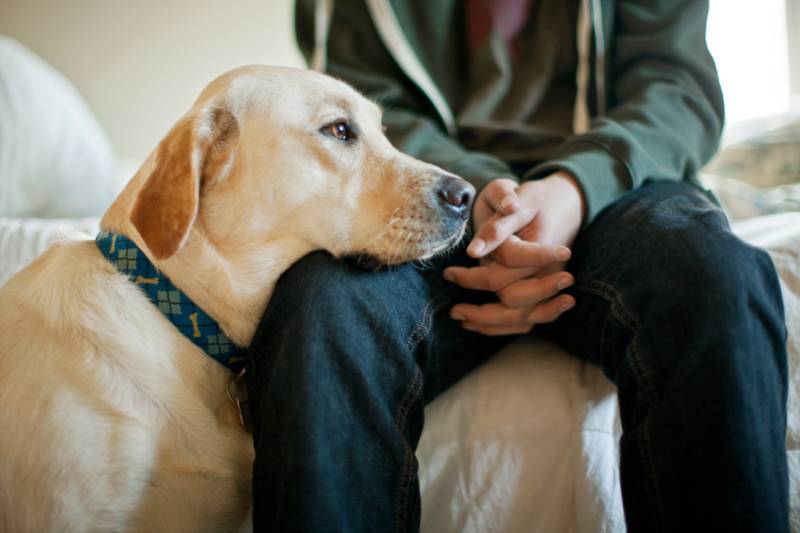
Sadie was a happy, outgoing Lab mix who loved nothing more than romping at the dog park with her canine pals. But when her family moved to a new city, something changed. After a frightening encounter with an aggressive off-leash dog, Sadie became withdrawn, anxious, and reactive toward other dogs. Seemingly overnight, this once carefree pup was showing textbook signs of post-traumatic stress disorder, or PTSD.
Sadie‘s story is all too common. While PTSD is often associated with military dogs and those in high-stress working roles, the reality is that this debilitating anxiety disorder can impact any dog who has experienced trauma. In fact, a 2020 study found that up to 17% of pet dogs in the United States may be suffering from PTSD.
As dog lovers, it‘s crucial that we understand the causes, symptoms, and treatment options for canine PTSD. By educating ourselves and spreading awareness, we can ensure that traumatized dogs get the support they need to heal and thrive.
What Causes PTSD in Dogs?
Just like humans, dogs can develop PTSD after being exposed to a deeply traumatic or life-threatening event. While the exact prevalence is unknown, studies suggest that PTSD rates may be even higher in dogs than in humans. One 2014 study found that up to 50% of military working dogs showed signs of PTSD.
So what types of experiences can cause a dog to develop PTSD? Some of the most commonly reported triggers include:
- Military or police work involving explosives, gunfire, and high-stress situations
- Surviving a serious car accident or natural disaster
- Undergoing a major medical procedure or surgery
- Experiencing abuse, neglect, or attack by another animal
- Being abandoned, surrendered to a shelter, or losing a beloved owner
- Prolonged periods of confinement in a small space (such as in a puppy mill or hoarding situation)
It‘s important to note that not every dog who experiences one of these traumas will develop PTSD. Factors like a dog‘s individual personality, coping mechanisms, and support system all play a role in their resiliency. However, research suggests there may also be a genetic component to PTSD susceptibility.
A 2019 study found that certain dog breeds, particularly German Shepherds and Greyhounds, may be more prone to developing anxiety disorders. The study authors theorize that breeds selected for specific traits like heightened alertness and sensitivity may be at greater risk for PTSD.
The Biology of PTSD in Dogs
When a dog experiences a traumatic event, it triggers the animal‘s evolutionary "fight, flight, or freeze" response. This floods the body with stress hormones like cortisol and adrenaline to help them survive the perceived threat.
Normally, these hormone levels return to baseline once the danger has passed. But in dogs with PTSD, the brain undergoes physiological changes that cause this stress response to persist long after the trauma is over. One theory is that trauma causes alterations in the hippocampus, the region responsible for processing memories and differentiating between past and present threats.
Over time, the prolonged elevation of stress hormones can lead to a host of physical and mental health issues in traumatized dogs, such as:
- Weakened immune system and higher risk of infections
- Gastrointestinal problems like diarrhea, vomiting, and loss of appetite
- Premature aging and cognitive decline
- Skin problems and excessive shedding due to constant stress
- Greater risk for other behavior problems like separation anxiety and aggression
This is why prompt diagnosis and treatment of PTSD is so critical for a dog‘s overall wellbeing and quality of life.
Signs & Symptoms of PTSD in Dogs
So how can you tell if your own dog might be struggling with PTSD? Traumatized dogs may display a wide range of behavioral and physical symptoms, but some of the most commonly reported signs include:
- Hypervigilance and easily startled by noises/movements
- Avoidance of people, places, or situations associated with the trauma
- Suddenly fearful or aggressive behavior, even with familiar people/dogs
- Destructive behaviors like excessive chewing or scratching
- Frequent pacing, restlessness, inability to settle down
- Lack of interest in playing, socializing, or previous favorite activities
- Changes in appetite (refusing food or suddenly ravenous)
- Disturbed sleep – insomnia or frequent nightmares/whimpering
- Clinginess and fear of being left alone
- Chronic digestive issues and diarrhea
- Excessive panting, drooling, or yawning (signs of stress in dogs)
Of course, many of these symptoms can also indicate other health problems, so it‘s always best to start with a thorough vet exam to rule out physical causes.
If your vet suspects PTSD, they will likely refer you to a board-certified veterinary behaviorist for an official diagnosis and treatment plan. These specialized vets undergo extensive training in animal psychology and are best equipped to help dogs recover from trauma.
Treating PTSD in Dogs
Helping a dog heal from PTSD requires patience, consistency, and a multi-faceted approach tailored to the individual dog‘s needs. Some of the most effective treatment options include:
Behavioral Modification Therapy: A veterinary behaviorist will work with you to gradually desensitize your dog to their specific triggers and teach them healthy coping skills. This typically involves controlled exposure to stressors, counter-conditioning, and plenty of positive reinforcement.
One commonly used technique is the "Look at That" game, which involves rewarding the dog for calmly looking at and then looking away from a trigger (like another dog or a scary noise). Over time, this can help reprogram the traumatized brain to have a more positive conditioned response to the trigger.
Medications: For dogs with severe anxiety, medication may be necessary to help regulate brain chemistry and make behavioral modification possible. The most commonly prescribed drugs for canine PTSD include:
- Fluoxetine (Prozac): A selective serotonin reuptake inhibitor (SSRI) that can relieve depression and anxiety
- Clomipramine (Clomicalm): A tricyclic antidepressant that helps balance neurotransmitters
- Trazodone: A serotonin modulator that reduces anxiety and improves sleep
- Sertraline (Zoloft): Another SSRI that can lower anxiety and reduce compulsive behaviors
Medication should always be used in tandem with behavior therapy and under the guidance of a veterinary behaviorist.
Natural Therapies: There is growing interest in complementary therapies for reducing stress and promoting relaxation in anxious dogs. Some promising options include:
- Pheromone diffusers/sprays to provide calming olfactory signals
- Weighted vests/shirts (like Thundershirts) for a reassuring "hug"
- Food-dispensing puzzle toys to boost mental stimulation and relieve stress
- Calming music, like the "Through A Dog‘s Ear" CDs clinically shown to relieve anxiety
- Nutritional supplements like L-theanine, passionflower, and omega-3 fatty acids
While these therapies shouldn‘t replace veterinary treatment for PTSD, they can be helpful complements to a dog‘s recovery plan.
Lifestyle Management: Creating a calm, predictable home environment is key for any dog with PTSD. In addition to working with a behaviorist, you can help manage your dog‘s symptoms by:
- Sticking to a consistent daily routine for meals, exercise, and bedtime
- Providing a quiet, cozy "safe space" where your dog can retreat and relax
- Using positive reinforcement training to build confidence and encourage calm behavior
- Avoiding stressful triggers (like crowded places or off-leash dog parks) during recovery
- Ensuring all family members practice calm, force-free interactions with the dog
- Providing ample physical and mental exercise through walks, play, scent games, etc.
With time and dedicated care, it is possible for dogs to overcome PTSD. Anecdotal reports and case studies abound with success stories of traumatized dogs who, with patience and professional help, blossomed into happy, well-adjusted companions.
Take Roxy, a young Pitbull mix who was found emaciated and cowering in a dumpster. She was so terrified of people that she would shake uncontrollably and lose control of her bladder. But with months of positive training, medical care, and the unwavering love of her adoptive family, Roxy slowly emerged from her trauma-induced prison. Today, she is a confident, social butterfly who adores making new human and canine friends.
Roxy‘s story highlights an important point: early intervention and socialization are key to preventing (or at least minimizing) PTSD in dogs. Proper socialization during the critical developmental window of 3-16 weeks helps puppies become resilient, adaptable dogs capable of coping with life‘s inevitable stressors.
In an ideal world, every puppy would be carefully exposed to a positive variety of people, animals, places, and situations to build a strong psychological foundation. But for dogs who are denied this opportunity and later develop PTSD, it‘s up to us as their advocates to help them make up for lost time.
Be Your Dog‘s Mental Health Ally
Dogs are incredibly resilient creatures, but they need our help to navigate the psychological minefield that is PTSD. By educating ourselves about this complex anxiety disorder, we can ensure that our beloved companions get the best possible care and support.
Some key points to remember:
- If you suspect your dog has experienced trauma or is showing signs of PTSD, don‘t ignore those red flags. Schedule a consultation with your vet or a behavioral specialist right away.
- Be patient and empathetic with your traumatized dog. Healing is a process, and there will be setbacks along the way. Celebrate the small victories and don‘t punish fearful behavior.
- Commit to being your dog‘s advocate and protector during their recovery. Be selective about who interacts with your dog and don‘t force them into overwhelming situations.
- Consider adopting a dog with a history of trauma. Many PTSD dogs are overlooked at shelters, but with the right environment and care, they can make incredible, loving companions. Just be honest about the time and resources you can realistically provide.
- If you‘re a breeder, trainer, or otherwise involved in a dog‘s early development, prioritize socialization. Proper exposure to the world in those first few months can make all the difference in a dog‘s lifelong emotional resilience.
Above all, know that you are not alone in this journey. With the growing recognition of PTSD in dogs has come a wealth of professional resources, from veterinary behaviorists to positive trainers to support groups for people caring for dogs with trauma.
By working together and promoting awareness, we can ensure that every dog has access to the mental health care they need and deserve. No dog should have to suffer in silence, and with our support, they won‘t have to.