American Bulldog vs Pitbull: A Comprehensive Guide for Dog Lovers
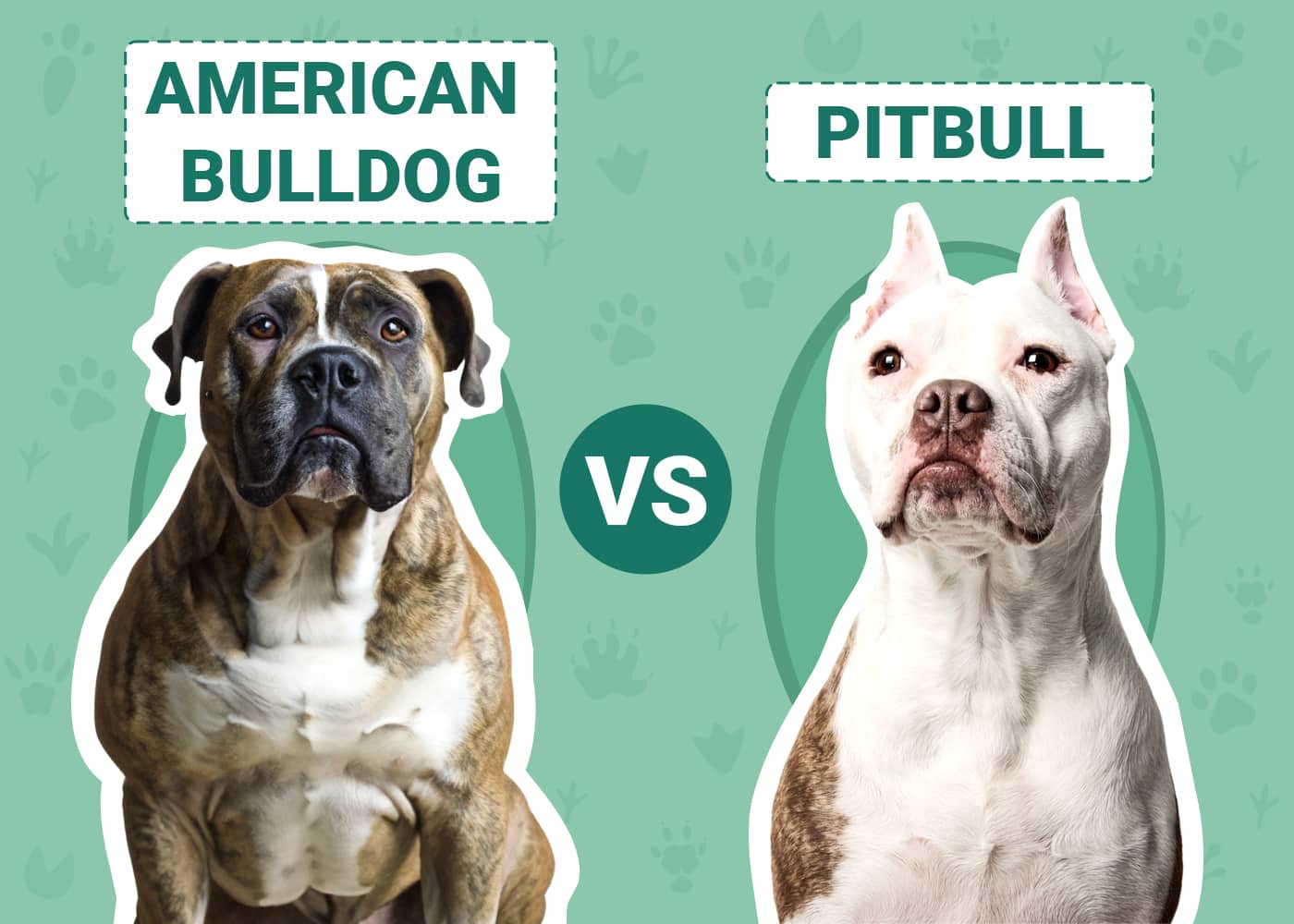

Are you considering adding an American Bulldog or a Pitbull to your family? These two iconic breeds have captured the hearts of dog lovers around the world, but with their similar appearances and reputations, it can be challenging to know which one is right for you. In this comprehensive guide, we‘ll take a deep dive into the history, characteristics, and unique aspects of American Bulldogs and Pitbulls, helping you make an informed decision about which breed best fits your lifestyle and family dynamic.
Understanding the Pitbull Umbrella
First and foremost, it‘s essential to understand that "Pitbull" is not a single breed but rather an umbrella term encompassing several distinct breeds, including:
- American Pit Bull Terrier
- American Staffordshire Terrier
- Staffordshire Bull Terrier
- American Bully
While these breeds share some common traits, they each have their own unique characteristics and histories. For the purposes of this article, we will primarily focus on comparing the American Bulldog to the American Pit Bull Terrier, as it is the most commonly recognized "Pitbull" breed.
A Tale of Two Breeds: The History of American Bulldogs and Pitbulls
American Bulldogs: From Farm Dogs to Family Companions
American Bulldogs have a rich history dating back to the 17th century when early settlers brought their English Bulldogs to the American South. These powerful dogs were used for various tasks on farms, including guarding property, handling livestock, and even hunting feral pigs. As the need for farm dogs declined, American Bulldogs nearly faced extinction. However, dedicated breeders worked to preserve the breed, and today, they are beloved family companions and working dogs.
Pitbulls: A Complex History of Working Dogs and Misconceptions
The history of Pitbulls is more complex and often misunderstood. The American Pit Bull Terrier traces its roots back to 19th-century England, where bulldogs and terriers were crossbred to create a dog with the strength and tenacity needed for blood sports like bull-baiting and dog fighting. As these cruel practices were outlawed, Pitbulls transitioned into working roles, such as farm dogs, military mascots, and even therapy animals.
Despite their positive contributions, Pitbulls have often been the subject of negative stereotypes and breed-specific legislation. It‘s crucial to understand that a dog‘s behavior is primarily influenced by its upbringing, training, and individual personality, rather than its breed.
Physical Characteristics: A Closer Look
American Bulldogs

American Bulldogs are large, muscular dogs with powerful, athletic builds. They typically weigh between 60 and 120 pounds and stand 20 to 28 inches tall at the shoulder. Their coats are short and smooth, requiring minimal grooming. Common coat colors include:
- White
- Brindle
- Fawn
- Red
- Brown
- Black (rare)
American Bulldogs have wide, strong heads with short, square muzzles and pronounced cheek muscles. Their ears may be cropped or left natural, and their tails are usually docked.
Pitbulls

Pitbulls, specifically American Pit Bull Terriers, are medium-sized dogs with muscular, athletic frames. They typically weigh between 30 and 65 pounds and stand 17 to 21 inches tall at the shoulder. Like American Bulldogs, they have short, smooth coats that are easy to maintain. Common coat colors include:
- Red
- Blue
- Fawn
- Brindle
- Black
- White
Pitbulls have wide, powerful heads with square muzzles and distinct cheek muscles. Their ears are often cropped but can also be left natural, and their tails are usually left undocked.
Temperament and Personality: Loving, Loyal, and Energetic
Both American Bulldogs and Pitbulls are known for their loyal, affectionate nature and strong desire to please their owners. They are intelligent, trainable, and thrive on human companionship. However, there are some differences in their temperaments that potential owners should be aware of.
American Bulldogs
American Bulldogs are confident, courageous, and protective of their families. They can be reserved with strangers and may exhibit guarding behaviors if not properly socialized. While they are generally good with children, their size and strength can make them unintentionally rough playmates, so supervision is essential.
American Bulldogs have a moderate to high prey drive, which means they may instinctively chase small animals. Early socialization and training can help manage this behavior, but owners should always be mindful of their dog‘s interactions with other pets.
Pitbulls
Pitbulls are known for their friendly, outgoing personalities and love of human companionship. They are often referred to as "nanny dogs" due to their gentle and patient nature with children. However, like any dog, they should always be supervised when interacting with kids.
Pitbulls have a strong desire to please their owners and are highly trainable. They excel in various dog sports and activities, such as obedience, agility, and weight pulling. While they can be friendly with other dogs, some Pitbulls may exhibit dog aggression, particularly if they have not been properly socialized or have had negative experiences in the past.
Training and Socialization: The Keys to Success
Both American Bulldogs and Pitbulls require early socialization and consistent training to become well-rounded, well-behaved companions. Socialization should begin as early as possible, exposing the puppy to a variety of people, animals, and environments to help them develop confidence and adaptability.
Training Tips for American Bulldogs
- Start obedience training early, focusing on basic commands like sit, stay, come, and heel.
- Use positive reinforcement techniques, such as praise and treats, to encourage good behavior.
- Socialize your American Bulldog with other dogs and people to prevent aggressive or fearful behavior.
- Provide plenty of mental stimulation through interactive toys and puzzle feeders to prevent boredom and destructive behavior.
Training Tips for Pitbulls
- Begin socialization and obedience training as early as possible, ideally during the critical socialization period between 3 and 16 weeks of age.
- Use positive reinforcement methods to encourage good behavior and build a strong bond with your Pitbull.
- Enroll in a puppy socialization class or dog obedience course to help your Pitbull learn important skills and interact with other dogs in a controlled environment.
- Provide ample physical exercise and mental stimulation through walks, playtime, and training sessions to keep your Pitbull happy and well-behaved.
Health and Longevity: What to Watch For
Like all breeds, American Bulldogs and Pitbulls are prone to certain health issues. Responsible breeding practices and regular veterinary care can help minimize the risk of these conditions.
Common Health Concerns for American Bulldogs
- Hip and elbow dysplasia
- Cherry eye
- Entropion (inward-rolling eyelids)
- Skin allergies and infections
- Hypothyroidism
The average lifespan of an American Bulldog is 10-12 years.
Common Health Concerns for Pitbulls
- Hip dysplasia
- Knee problems (luxating patellas)
- Thyroid issues
- Skin allergies
- Heart disease
The average lifespan of a Pitbull is 12-14 years.
To help ensure your American Bulldog or Pitbull lives a long, healthy life:
- Choose a reputable breeder who conducts health screenings on their breeding stock
- Schedule regular veterinary check-ups and keep your dog up-to-date on vaccinations and preventative care
- Feed a high-quality, age-appropriate diet and maintain a healthy weight
- Provide plenty of exercise and mental stimulation to keep your dog physically and mentally fit
Nutrition and Feeding: Fueling Your Dog‘s Health
Proper nutrition is essential for maintaining your American Bulldog or Pitbull‘s health and well-being. Both breeds have specific dietary needs that owners should be aware of.
Feeding American Bulldogs
American Bulldogs require a high-quality, protein-rich diet to support their muscular build and active lifestyle. Look for dog foods that list a named animal protein (such as chicken, beef, or fish) as the first ingredient, and avoid brands that contain excessive fillers or artificial additives.
Adult American Bulldogs typically require 3 to 5 cups of food per day, divided into two meals. However, the exact amount will depend on your dog‘s age, size, activity level, and individual metabolism. Consult with your veterinarian to determine the appropriate portion sizes for your American Bulldog.
Feeding Pitbulls
Like American Bulldogs, Pitbulls thrive on a high-quality, protein-rich diet. Choose dog foods that contain named animal proteins and avoid those with excessive fillers or artificial ingredients.
Adult Pitbulls typically require 1.5 to 2.5 cups of food per day, divided into two meals. However, the exact amount will vary based on your dog‘s age, size, activity level, and individual metabolism. Work with your veterinarian to create a feeding plan that meets your Pitbull‘s specific needs.
Legal Considerations: Breed-Specific Legislation and Owner Responsibility
Pitbulls have often been the target of breed-specific legislation (BSL), which restricts or bans the ownership of certain dog breeds deemed "dangerous." These laws can vary by country, state, and even municipality, so it‘s crucial for potential Pitbull owners to research the specific regulations in their area.
It‘s important to note that BSL is highly controversial, with many animal welfare organizations and dog lovers arguing that it is ineffective and unfairly stigmatizes certain breeds. The American Veterinary Medical Association (AVMA) opposes BSL, stating that "dog bite statistics are not really statistics, and they do not give an accurate picture of dogs that bite."
Regardless of breed, all dog owners have a responsibility to ensure their pets are properly trained, socialized, and managed to prevent aggression and ensure public safety. This includes:
- Providing appropriate training and socialization
- Keeping dogs leashed or securely fenced when in public
- Supervising interactions with children and other animals
- Promptly addressing any aggressive or problematic behavior
By being responsible dog owners and advocating for fair, evidence-based policies, we can work to create safer communities for both humans and canines.
Making the Right Choice for You and Your Family
Choosing between an American Bulldog and a Pitbull ultimately comes down to your individual lifestyle, preferences, and family situation. Both breeds can make loving, loyal companions for the right owners who are willing to invest time and effort into their training, socialization, and care.
When deciding which breed is right for you, consider factors such as:
- Your experience level with dogs
- The amount of time and energy you can dedicate to training and exercise
- Your living situation (home size, yard space, local breed restrictions)
- Your family dynamics (presence of children or other pets)
American Bulldog: Pros and Cons
Pros
- Loyal and protective of family
- Intelligent and trainable
- Adaptable to various living situations
- Generally good with children (with proper socialization and supervision)
Cons
- Can be reserved with strangers
- May exhibit guarding behaviors if not properly socialized
- Has a moderate to high prey drive
- Requires plenty of exercise and mental stimulation
Pitbull (American Pit Bull Terrier): Pros and Cons
Pros
- Friendly and outgoing with people
- Highly trainable and eager to please
- Excels in various dog sports and activities
- Often good with children (with proper socialization and supervision)
Cons
- May exhibit dog aggression if not properly socialized
- Can be strong-willed and require consistent training
- May be subject to breed-specific legislation in some areas
- Requires plenty of exercise and mental stimulation
Ultimately, the key to a successful relationship with any dog is responsible ownership, commitment to training and socialization, and a willingness to understand and meet the breed‘s specific needs. By doing your research, carefully considering your options, and working with reputable breeders or rescue organizations, you can find the perfect American Bulldog or Pitbull to join your family and share a lifetime of love and companionship.
Resources for Further Reading and Support
- American Bulldog Rescue: https://www.rescueabulldog.org/
- American Pit Bull Foundation: https://americanpitbullfoundation.com/
- American Veterinary Medical Association (AVMA) – Breed-Specific Legislation: https://www.avma.org/resources-tools/literature-reviews/breed-specific-legislation
- The American Bulldog Club: https://theabcdogs.org/
- United Kennel Club (UKC) – American Pit Bull Terrier: https://www.ukcdogs.com/american-pit-bull-terrier
References
- American Kennel Club. (2021). American Bulldog. Retrieved from https://www.akc.org/dog-breeds/american-bulldog/
- American Veterinary Medical Association. (2021). Breed-Specific Legislation. Retrieved from https://www.avma.org/resources-tools/literature-reviews/breed-specific-legislation
- Coile, D.C. (2016). Pit Bulls for Dummies. John Wiley & Sons.
- Mehus-Roe, K. (2010). American Pit Bull Terrier. Kennel Club Books.
- United Kennel Club. (2021). American Pit Bull Terrier. Retrieved from https://www.ukcdogs.com/american-pit-bull-terrier