Can You Use Dove Soap to Wash Your Dog?
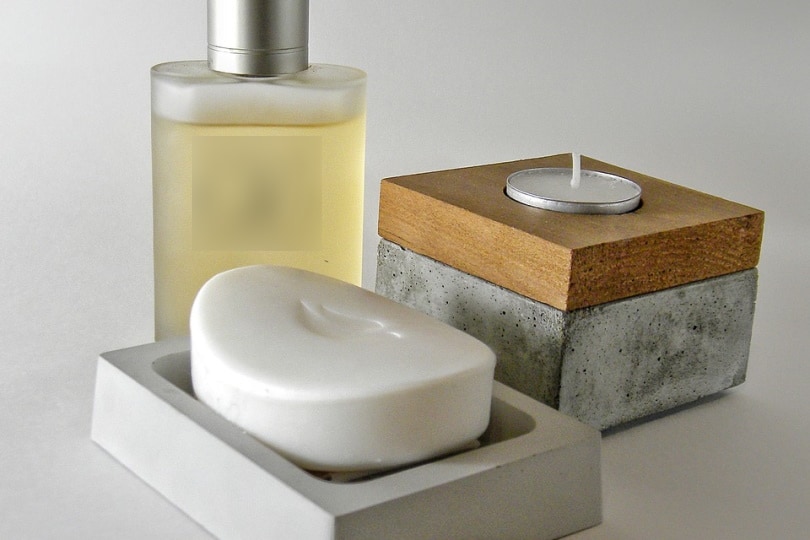
It‘s the end of a long, muddy hike with your canine companion. Your pooch is covered head to tail in dirt and desperately needs a bath. You reach for the dog shampoo only to find an empty bottle! In a pinch, you might be tempted to grab that bar of Dove soap sitting by the sink. But wait! Before you lather up your furry friend, it‘s important to understand the reasons why using regular human soaps and cleansers like Dove is not recommended for washing your dog.
The Difference Between Human and Dog Skin
While our dogs may feel like part of the family, there are some key differences between human and canine skin that impact what types of cleansers are safe to use. The most important factor is skin pH.
Human skin has a slightly acidic pH, typically in the range of 5.2 to 6.2. Soaps and shampoos formulated for humans, including Dove products, are designed to match this pH level to avoid disrupting the skin‘s protective acid mantle.
In contrast, a dog‘s skin pH is more neutral, usually falling between 5.5 and 7.5. This means that human soaps are much too acidic for doggie skin. Using a cleanser with the wrong pH can strip away the natural oils in your dog‘s skin and disrupt the skin‘s barrier function.
Additionally, a dog‘s skin is much thinner than human skin and lacks the top protective layer called the stratum corneum. Without this protective layer, dogs are more vulnerable to contaminants being absorbed into the skin. Their skin also has a higher permeability, meaning substances more easily pass through. This makes a dog‘s skin significantly more sensitive than a human‘s and more prone to drying out and becoming irritated by harsh soaps and detergents.
Why Dog Shampoo is Best
For these reasons, it is always best to use a shampoo specifically formulated for dogs when it‘s bath time. Unlike regular shampoo, dog shampoos are designed with a dog‘s more neutral skin pH in mind and tend to be much gentler than human products. They also often contain additional moisturizers and conditioners to help maintain the natural oils in a dog‘s skin and coat.
Dog shampoos come in a variety of formulas to suit different coat types and address issues like shedding, tangles, dryness, or sensitive skin. Oatmeal is a popular ingredient thanks to its soothing anti-itch properties. For dogs battling fleas or ticks, there are also medicated flea and tick control shampoos available. Your veterinarian or groomer can recommend the best type of shampoo for your particular pooch.
When You‘re in a Pinch
We‘ve all been there – you‘re completely out of dog shampoo and need a quick fix to get your muddy pup clean again. In emergency situations, you might get away with using a few mild, fragrance-free human cleansers on an occasional basis if you‘re in a real bind. The key is to choose something very gentle and unscented to avoid irritating your dog‘s sensitive skin.
One option is mild baby shampoo. Since it‘s designed for delicate infant skin, baby shampoo has a lower pH and is much gentler than regular shampoo formulas. Look for a simple, fragrance-free, tear-free variety. You‘ll also want to be extra diligent about thorough rinsing to remove all soap residue, which can be drying.
Another possibility in a pinch is diluted dish soap, such as Dawn dishwashing liquid. Grease-fighting dish detergents are sometimes used to remove oily contaminants from wildlife after oil spills. For regular dog washing, it‘s imperative to dilute it significantly, such as a few tablespoons of Dawn mixed into a cup or two of lukewarm water. Massage the diluted solution into your dog‘s fur, but be extremely careful to avoid the eyes, and rinse copiously. Follow up with a moisturizing dog conditioner if you have it on hand.
The Dangers of Frequent Washing with Human Soap
While the occasional emergency use of a mild human cleanser is unlikely to cause lasting harm if thoroughly rinsed out, it‘s critical to understand that regular washing with normal human soaps and shampoos like Dove can wreak havoc on your dog‘s skin and coat.
The surfactants and harsh cleansing agents in human soaps can strip away the natural moisturizing oils that keep your dog‘s skin and coat healthy. This disrupts the skin‘s natural protective barrier, leading to dryness, flaking, itching, irritation and potential skin infections. It can also dull and dry out the coat, increasing shedding and breakage.
What‘s more, artificial fragrances, colors, and other additives in human cleansers can further irritate sensitive canine skin. Dogs may be tempted to lick off soapy residue left behind, resulting in tummy troubles.
Over time, the combined effect of using inappropriate human products and too-frequent washing can seriously impact your dog‘s skin and coat health, not to mention their comfort. Stick to veterinarian-recommended dog shampoos and conditioners for the gentlest clean.
Signs of Skin Irritation to Watch For
If your dog‘s skin does become irritated or dried out from a harsh cleanser or over-bathing, there are some key signs to look out for:
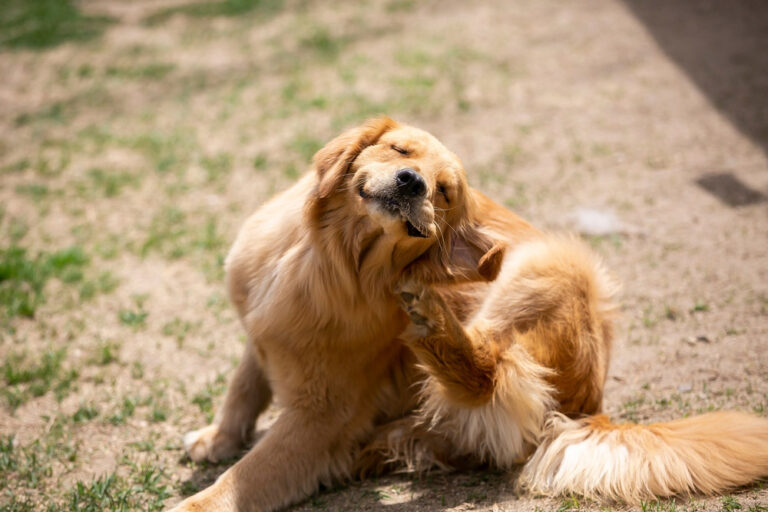
- Excessive scratching, licking, chewing or rubbing against furniture or carpet
- Visible redness or inflammation of the skin, especially in sensitive areas
- Flaky, crusty, scaly or greasy patches of skin
- Increased shedding or bald spots
- Bumps, pimples, scabs or crusts on the skin
- Foul-smelling odor from the skin or ears
- Skin infections or hot spots
If you notice any of these symptoms, it‘s time to give your vet a call. They may recommend a soothing medicated shampoo, a moisturizing rinse or spray, or other treatments to get your pup‘s skin and coat back in healthy condition. Depending on the underlying cause and severity of the irritation, antibiotics, anti-inflammatories or other medications may be needed.
How Often to Bathe Your Dog
Even if you are using an appropriate dog shampoo, it‘s still possible to overdo it when it comes to bath time. Washing your dog too frequently can dry out their skin by stripping away those natural protective oils, even with a gentle cleanser.
So how often should you suds up your pup? The answer varies based on your dog‘s specific breed, coat type, lifestyle and overall health.
Generally speaking, most dogs only need a bath once every month or two. Some breeds with oily coats, like Basset Hounds, may need bathing as often as once a week. On the other hand, breeds with thick, water-repellent coats, such as Golden Retrievers and Great Pyrenees, may only need a full shampoo bath 3 or 4 times a year as long as they are brushed regularly between baths.
The ASPCA recommends bathing your dog at least once every three months. Consider your individual dog‘s needs:
-
Dogs with short, smooth coats and minimal odor can usually go longer between baths than long-haired breeds, like Yorkshire Terriers, which may need more frequent washing to prevent mats and tangles.
-
Hairless breeds lacking fur protection may require weekly baths to remove dirt and oil buildup on the skin.
-
Dogs with skin folds, like Bulldogs and Pugs, often need more frequent cleaning to prevent skin fold infections.
-
Dogs that spend a lot of time playing outdoors, hiking, swimming or rolling in who-knows-what will likely need more baths than couch potato pups.
-
Dogs with certain skin conditions, like allergies or seborrhea, may require medicated baths on a weekly or biweekly schedule. Always follow your vet‘s advice.
Outside of bath time, regular brushing and a quick wipedown of the paws, face and privates with a damp cloth can go a long way towards keeping your canine clean between shampoos. Many dogs may only need a full bath if they become especially dirty or smelly. If you notice any signs of skin irritation after bathing, try extending the time between washes.
Tips for Safe and Stress-Free Dog Bathing
When it is time for a full bath, keep the following tips in mind for the safest and most pleasant experience for you and your pooch:
- Brush your dog thoroughly before bathing to remove any tangles and loose fur.
- Place a non-slip mat or towel on the floor of your tub or sink to prevent your dog from slipping and sliding.
- Use lukewarm water, never hot water which can scald your dog‘s skin.
- Avoid getting water or soap in your dog‘s eyes and ears. You may want to place cotton balls in the ears to prevent water from entering the ear canals.
- Always use a shampoo formulated for dogs, never human shampoo or soap. Be sure to follow the directions on the label.
- Take care to rinse thoroughly and remove all traces of shampoo or conditioner to avoid leaving any irritating residue behind on the skin or coat. Shampoo residue can also become itchy as it dries.
- After rinsing, allow your dog to shake off excess water before towel drying. Avoid rubbing the towel harshly against the fur as this can cause tangles. Instead, squeeze gently or pat dry.
- If your dog has a long coat, you may need to use a blow dryer on a low, cool setting to get him fully dry, especially in cold weather. Never use high heat settings which can burn the skin.
- Offer plenty of praise, petting and tasty treats to make bath time a positive experience. With a little patience and practice, many dogs can learn to tolerate or even enjoy their spa sessions!
The Bottom Line on Bathing Your Dog
When it comes to keeping your canine companion clean and cuddly, it‘s best to save the Dove soap for your own shower. Stick to veterinarian-approved, pH-balanced dog shampoos and conditioners to gently lift away dirt and odors without damaging your dog‘s delicate skin and coat.
In a pinch, a mild, unscented baby shampoo or highly diluted dish soap can be used very sparingly if you‘re in a lather emergency, but be sure to rinse extra thoroughly. Whenever possible, use products specifically created for your dog‘s unique skin and coat condition needs.
When in doubt, consult with your vet or a professional groomer who can recommend the most appropriate products and bathing schedule for your particular pooch. A little goes a long way when it comes to washing your hound – with proper products and a regular grooming routine, you can keep your canine‘s skin and coat clean, healthy and snuggle-ready!