15 Snow Dog Breeds That Love Wintery Weather: Pictures & Facts
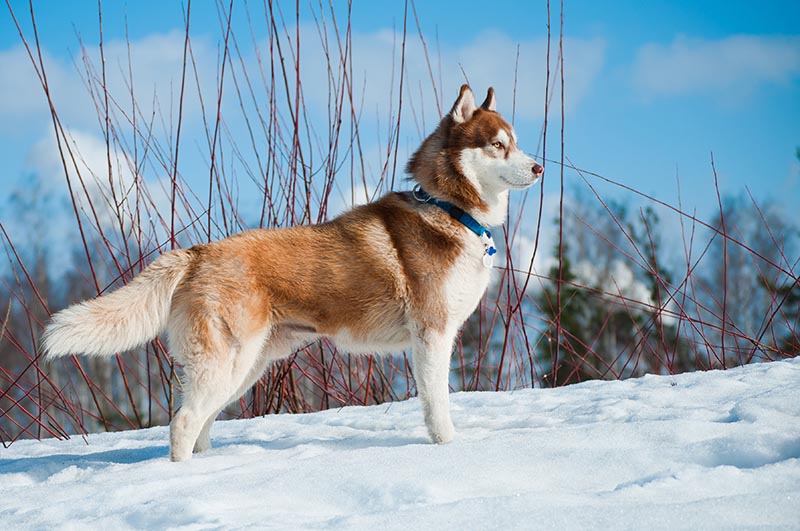
When picturing a dog romping joyfully through a fresh snowfall, a few breeds spring readily to mind – the wolfish Siberian Husky, the massive, fluffy Alaskan Malamute, or the bright-eyed Samoyed with a perpetual "smile". These Arctic sled dogs are some of the most recognizable snow dog breeds, but many other dogs also boast the thick, insulating coats, tough feet, and weather-resistant features necessary to thrive in cold climates. From the livestock guardian dogs of the mountains to the ancient temple dogs of the Himalayas, snow dogs share a common set of adaptations that allow them to live and work in the some of the most frigid, unforgiving regions on Earth.
What exactly makes a snow dog? The quintessential feature of these hardy breeds is a dense double coat, consisting of a soft, wooly undercoat topped by a layer of straight, water-resistant guard hairs. This combination provides unparalleled insulation against bitter temperatures and biting winds. Small, thickly furred, well-shaped ears help prevent frostbite, as do the curled, brush-like tails sported by many snow dogs. Large, compact feet with ample fur between the toes act as natural snowshoes. From a rugged Northern breed like the Norwegian Elkhound to the lavishly coated Old English Sheepdog, snow dogs are perfectly outfitted by nature and generations of selective breeding to weather the wrath of winter.
To further examine the diversity of snow dog breeds, we can group them into several categories based on their heritage and original purposes:
Arctic Sled Dogs
The sled dogs of the Arctic and subarctic regions are perhaps the quintessential snow dogs. Breeds like the Siberian Husky, Alaskan Malamute, Samoyed, and Greenland Dog have been essential to the survival of the indigenous peoples of these areas for thousands of years. These dogs were used to pull sleds loaded with supplies over miles of frozen tundra, locate cracks in the sea ice for hunting seals, herd reindeer, and keep their handlers warm in frigid conditions.
A striking example is the Alaskan Malamute, developed by the Mahlemiut tribe of Alaska to haul heavy loads over long distances at relatively slow speeds. These immensely strong dogs are the draft horses of the sled dog world. The Samoyed, in contrast, was used by the Samoyed people of Siberia to herd reindeer and hunt game, only later being adapted as a sled dog. Their famously upturned mouths, known as the "Samoyed smile", are a functional adaptation to prevent drooling and subsequent icicle formation in sub-zero temperatures.
Today, Arctic breeds like the Siberian Husky remain popular choices for sled dog racing and recreational mushing, valued for their speed, endurance and adventurous spirit. However, as beloved pets, they can pose challenges for the average owner. Their innate desire to pull, tendency to escape and roam, and extreme exercise needs are not well-suited to urban living. They are also notorious shedders, "blowing coat" once or twice a year in impressive drifts of fluffy undercoat. Potential owners of these strong-willed, highly intelligent breeds must be prepared to keep both mind and body well exercised.
Mountain Dogs
Across the high mountain ranges of Europe and Asia, a number of large, muscular, heavy-boned breeds have been guarding livestock and serving as draft animals for centuries. These mountain dogs are characterized by weather-resistant double coats, immense size, and fearless yet gentle temperaments. From the Swiss Alps to the Pyrenees to the Himalayas, these noble giants were essential working partners to shepherds and farmers.
The Bernese Mountain Dog, for example, was bred in the canton of Bern in Switzerland to drive cattle, guard the farm, and even pull carts laden with goods to market. The Great Pyrenees, known as the Pyrenean Mountain Dog in Europe, patrolled the steep pastures of the Pyrenees Mountains to fend off wolves, bears, and thieves threatening the flock.
Perhaps the most famous of the mountain dogs is the Saint Bernard, a symbol of alpine rescue for generations. These massive, red-and-white coated dogs were first bred by monks living in the treacherous St. Bernard Pass between Italy and Switzerland. The earliest Saints were used to locate lost travelers buried in the snow, a task to which they were ideally suited with their keen sense of smell and large, muscular frames capable of clearing a path through drifts. The dogs worked in teams to find hapless pilgrims, lying on top of injured or stranded souls to provide life-saving warmth. While the popular image of a Saint Bernard with a brandy cask around its neck is appealing, there is no historical evidence such an accessory was ever used.
As pets, these gentle giants can provide calm, loving companionship, but their colossal size and strength must be taken into account. Newfoundlands and Leonbergers are especially prone to knocking over small children or objects with an errant swish of their substantial tails. Due to their hefty build, mountain dog breeds are also at increased risk for hip dysplasia and other joint issues, especially if allowed to become overweight. A good breeder will screen for such problems and a wise owner will invest in joint supplements and monitor calories as their dog ages. Maintenance of the thick, dense coat is another factor, with many mountain dogs requiring professional grooming every 4-8 weeks to remove shedding undercoat and prevent matting. The tradeoff is a fiercely loyal, courageous companion with a true lion‘s heart.
Spitz-Type Dogs
A number of snow dog breeds fall into the spitz or Northern type, characterized by prick ears, pointed muzzles, thick double coats and bushy tails curling over the back. These traits helped spitz dogs conserve heat and keep frostbite at bay while working in the unforgiving conditions of the Arctic, subarctic, and northern mountainous regions. Many spitz dogs were all-purpose working dogs, serving as sled dogs, hunters, herders, watchdogs and faithful companions in remote, rugged areas.
The lively, extroverted Keeshond, for example, worked as watchdogs and ratters on the riverboats and barges of Holland, while the bold, even-tempered Norwegian Elkhound accompanied Vikings on their voyages and pursued big game in the Scandinavian wilderness. The bright, sociable American Eskimo Dog is a born showman, performing in traveling circuses across the American Plains in the late 1800s.
Spitz breeds tend to be highly intelligent, energetic, and alert, with a degree of independence and aloofness towards strangers. Some, like the Shiba Inu and Norwegian Buhund, have more of a prey drive and should be carefully introduced to smaller pets. Many are also quite talkative, prone to yodeling, howling, or excited screaming. The catlike fastidiousness of spitzes means they often object to wet weather and messy conditions despite their weatherproof coats. On the plus side, most are relatively light shedders compared to other snow dogs and their coats repel dirt and debris with minimal brushing. With adequate exercise and mental stimulation, the charming, foxy-faced spitz can be a jaunty, entertaining companion well-suited to colder climates.
Asian Mountain Dogs
Some of the most ancient snow dog breeds hail from the high plateaus of Central Asia, with heritages shrouded in the mists of time. Breeds like the Tibetan Mastiff, Tibetan Terrier, and Akita developed in isolated mountain enclaves, shaped by the demands of living in some of the highest, most inaccessible regions on Earth. While these breeds share physical traits necessary for cold weather, such as immense size, heavy double coats, and large, well-furred feet, they are unique products of their environments and cultures.
The Tibetan Mastiff is a prime example, with its lion-like head, massive bone structure, and noble bearing reflecting its origins as a guardian of Tibetan monasteries, villages and nomad encampments. These awe-inspiring dogs, known as Do-Kyi in their homeland, defended their charges against predators as fierce as snow leopards and wolves. With a weatherproof double coat, blunt, wide muzzle to warm frigid air, and single suspension dewclaws for added traction on steep slopes, the Tibetan Mastiff was superbly equipped for high-altitude life.
In neighboring Japan, the hardy Akita developed on the slopes of the Ōdate Mountains, hunting large game like bear and deer. Prized as symbols of good health, protection and fortune, Akitas are deeply entwined with Japanese culture, even being designated a natural treasure in 1931. These muscular, dignified dogs share the spitz hallmarks of a dense coat, curled tail and upright ears, but with a distinctly powerful build. Courageous and strong-willed, Akitas are famously loyal to their chosen humans while remaining aloof with strangers.
Such guardian instincts are also strong in the Tibetan Kyi Apso or Tibetan Terrier, which, despite its name, is not a true terrier but an ancient watchdog of the Buddhist monasteries. These small but sturdy dogs with profuse coats and large, flat feet served as alert barkers, companion animals and good luck charms, believed to bring fortune and safety to their monk and lama owners. Highly intelligent and sensitive, the Tibetan Terrier bonds deeply with its family and requires gentle, consistent training.
For the experienced owner willing to put in the necessary socialization and structure, an Asian mountain dog can be a loyal protector and imposing yet magnificent companion. These are not casual pets, however, and require an assertive, eagle-eyed handler to keep their suspicion of strangers and same-sex aggression in check. Ownership is a serious commitment not to be undertaken lightly.
Choosing and Caring for a Snow Dog
With their striking good looks and admirable histories as cold-weather athletes and working partners, snow dogs understandably have great appeal to many would-be owners. It‘s important to remember, however, that these breeds‘ origins as hard-charging sled dogs, tireless guardians, and intrepid hunters means that most require far more exercise, grooming, and intensive training than the average pooch.
A Siberian Husky or Alaskan Malamute, for example, will not be content with a quick spin around the block and will grow bored and destructive without ample space to run and vent their considerable steam. Many snow dogs, especially the spitz and sled dog types, are also prone to digging, howling, and attempting daring escapes in search of adventure. Consistent training, impeccable fencing, and a regiment of physical and mental stimulation are musts.
Grooming is another area that cannot be overlooked with these heavy-coated breeds, some of which can produce truly astonishing volumes of shed hair once or twice a year. Regular brushing with a pin brush, slicker brush, and undercoat rake is essential to prevent matting and remove defunct coat. Some of the more profusely coated breeds, like the Keeshond, Samoyed, and Great Pyrenees, require a thorough brushing down to the skin at least weekly.
Potential owners must also take into account the climate in which they live. While snow dogs are in their element in cold weather, they can quickly overheat in hot, humid summers, even if kept in air conditioning. It‘s crucial to monitor these dogs during warm weather exercise and limit their time outdoors. Some may need a trim of their voluminous coats to stay comfortable. By contrast, short-coated breeds may need a jacket or sweater in the dead of winter, but snow dogs‘ ample fur renders such coddling unnecessary in all but the most extreme windchills.
It‘s also important to choose your snow dog from a responsible, ethical breeder who screens for breed-specific health issues like hip dysplasia, eye problems, and heart defects. Meet the puppy‘s parents and observe their temperaments, as this is the best predictor of the personality your pup will have as an adult. In the case of giant breeds like the Newfoundland and Tibetan Mastiff, consider your finances carefully, as these dogs eat far more than a typical pooch and may require expensive supplements to protect their joints. A healthy, well-bred snow dog is a investment in an active, adventurous companion for many years to come.
Magnificent in their cold weather-conquering adaptations and captivating in their beauty, snow dogs of all stripes have long captured the hearts of dog lovers worldwide. From the sledding adventures of the North to the mountain temples of Japan, these plush-coated protectors have worked alongside humans in some of the most testing conditions nature has to offer. Far from being mere "fluffy" companions, snow dogs were bred for grit, smarts, strength, and stamina, qualities that remain intact even in pets many generations removed from their ancestral roots. With their high exercise needs, grooming demands, and bold, often independent natures, caring for a snow dog can be a challenge, but for a devoted owner, the relationship forged with one of these remarkable animals is truly unparalleled. Beneath the luxurious coat and arresting eyes lies a living testament to the enduring partnership of humans and dogs, a a fluffy, faithful symbol of our species‘ shared past and intertwined future.