Colitis in Dogs: A Dog Lover‘s Guide to Causes, Symptoms, and Treatment
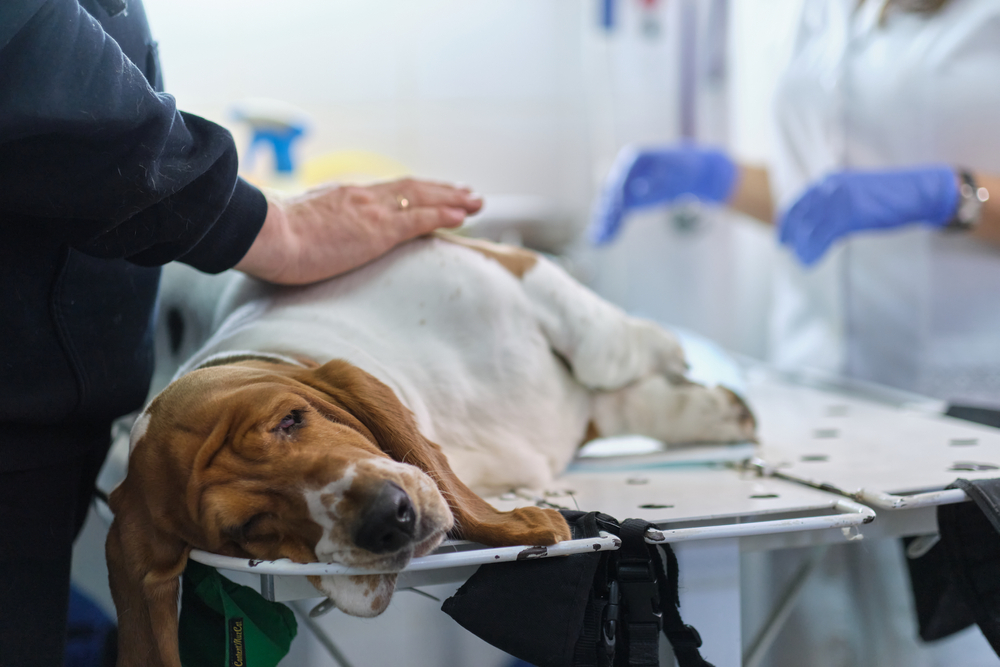
As a devoted dog lover, there‘s nothing quite as distressing as seeing your furry family member suffer with endless trips outside only to pass watery, bloody diarrhea over and over again. If your dog is experiencing frequent, urgent poops, he may be one of the estimated 15-20% of dogs suffering from colitis each year.
What Exactly Is Colitis?
Colitis refers to inflammation of the colon, also known as the large intestine. To understand colitis, it helps to take a closer look at what the colon does. After food is digested and nutrients are absorbed in the small intestine, the remaining material moves into the colon. The colon‘s main function is to absorb water and electrolytes, solidifying waste material into formed stools. The colon is also home to trillions of bacteria that make up the gut microbiome. These beneficial bacteria aid in digestion, nutrient absorption, and supporting the immune system.
When the delicate balance of the colon is disrupted by infection, parasites, dietary changes, or other triggers, inflammation ensues. Inflammatory cells flood the tissue of the colon, disrupting its ability to absorb water. Increased muscular contractions move material through too quickly, leading to frequent loose or watery stools. The inflammation also makes the colon more permeable, allowing blood and mucus to seep into the stool.
Signs of Colitis Every Dog Owner Should Know
The most obvious sign of colitis is diarrhea, but there are several other clues that can help distinguish it from a simple upset stomach. Dogs with colitis may experience:
- Frequent defecation (more than 3-4 times per day)
- Straining to defecate with small, semi-formed to liquid stools
- Mucus or fresh blood in the stool
- Urgency to go outside, sometimes having accidents in the house
- Increased flatulence
- Nausea and vomiting
- Decreased appetite
- Weight loss
- Lethargy
Imagine feeling the urge to run to the bathroom up to a dozen times a day only to pass a few teaspoons of bloody mucus each time. It‘s a frustrating, uncomfortable, and frankly embarrassing experience. This is the reality for many dogs struggling with colitis.
Causes of Colitis: Why Is This Happening?
Pinpointing the exact cause of colitis can be tricky, but some common culprits include:
- Dietary indiscretion (getting into the garbage, abrupt diet change, etc.)
- Bacterial infection (Salmonella, Clostridium, E. coli, etc.)
- Viral infection (parvovirus, coronavirus, distemper)
- Parasites (Giardia, Cryptosporidium, whipworms)
- Inflammatory Bowel Disease (IBD)
- Food allergies or sensitivities
- Stress (boarding, new home, loss of family member, etc.)
- Certain medications (NSAIDs, antibiotics, chemotherapy drugs)
The complex community of bacteria that reside in a healthy colon is crucial for maintaining proper function. Studies have found that dogs with acute and chronic colitis have altered gut microbiomes compared to healthy dogs. An overgrowth of "bad" bacteria and loss of diversity of "good" bacteria is a key factor in the development of inflammation.
Getting a Diagnosis: What to Expect at The Vet
Your veterinarian will start with a thorough history to identify any potential triggers like dietary changes, stress, travel, or new medications. A fecal test is essential to check for parasites, bacteria, viruses, blood, and mucus. This can often be done in-house for faster results. Blood work may be warranted if your vet suspects dehydration or wants to rule out conditions like kidney disease, liver disease, or pancreatitis that can cause similar symptoms.
In more severe or chronic cases, abdominal x-rays or ultrasound may be needed to evaluate the thickness of the colon wall and look for tumors or foreign material. If these tests are not conclusive, the next step is often a colonoscopy. This involves passing a flexible camera into the colon while your dog is under anesthesia to directly visualize the lining of the colon. Biopsies can also be taken during this procedure for a definitive diagnosis of inflammatory bowel disease (IBD) or cancer.
Treatment Options: The Road to Recovery
The mainstay of treatment for colitis involves a multipronged approach tailored to the underlying cause:
-
Fasting: Withholding food for 24-48 hours gives the inflamed colon a chance to rest and heal. Small amounts of water or ice cubes can be offered frequently to maintain hydration.
-
Supportive Care: Depending on the severity of diarrhea, your dog may need subcutaneous or intravenous fluid therapy to combat dehydration. Anti-nausea medications and antidiarrheals like loperamide or pectin may also be prescribed for symptomatic relief.
-
Dietary Modification: After the fast, a bland, low-fat, highly digestible diet is gradually reintroduced. Veterinary prescription diets like Hills i/d, Purina EN, or Royal Canin GI Low Fat are formulated to be gentle on the digestive tract. Alternatively, a homemade bland diet of boiled lean chicken or turkey and rice can be used short term. For dogs with food sensitivities, a novel protein source like rabbit or venison or a hydrolyzed diet where the proteins are broken down into non-allergenic pieces may be recommended. Some dogs do better on high fiber diets to regulate colonic contractions. Your vet can help you determine the best diet for your dog‘s specific needs.
-
Probiotics: Restoring a healthy balance of gut bacteria is a key component of treatment. A veterinary probiotic supplement like Fortiflora, Proviable, or Visbiome can help repopulate the "good" bacteria to outcompete the "bad". In more severe cases, a fecal microbiota transplant, which involves taking stool from a healthy donor dog and transplanting it into the colon of the affected dog, may help restore a healthy microbiome. This is a newer therapy that has shown promise in human medicine for treating C. difficile infections and is now being studied in dogs.
-
Antibiotics: If a bacterial infection is diagnosed, appropriate antibiotics will be prescribed. Metronidazole and Tylosin are commonly used to treat colitis as they have both antimicrobial and anti-inflammatory properties in the gut.
-
Anti-Inflammatories: For dogs with IBD or those who don‘t respond to initial therapies, anti-inflammatory or immunosuppressive medications may be warranted. Corticosteroids like prednisone are often the first line drugs as they are fast-acting and effective at reducing inflammation. However, steroids can have significant side effects with long-term use. For more severe IBD cases, stronger immunosuppressant drugs like cyclosporine, azathioprine, or chlorambucil may be needed.
Living With a Dog With Colitis: Tips for Coping
As a dog lover, it‘s heartbreaking to watch your furry companion struggle with chronic GI issues. Frequent potty breaks, accidents in the house, restricted activity, and multiple medications can put a strain on your daily routine and your pocketbook. However, with dedication, patience, and a supportive veterinary team, it is possible to successfully manage colitis and maintain a good quality of life for your dog. Some tips:
- Stick to a consistent diet. Avoid table scraps, treats, and chews that can trigger inflammation.
- Manage stress. Create a calm, predictable environment. Use pheromone diffusers, soft music, and massage to promote relaxation.
- Enrich the environment. Puzzle toys, snuffle mats, and Kong toys can provide mental stimulation for dogs on restricted activity.
- Have a potty plan. Take frequent leash walks. Use pee pads or a doggie litter box in an easy to clean area if needed.
- Stay positive. Reward your dog with praise and gentle petting. Never punish accidents.
- Communicate with your vet. Keep a log of symptoms, medications, and diet to track progress. Don‘t hesitate to reach out with any concerns.
The Future of Colitis Treatment: Promising Research
While we‘ve come a long way in understanding and treating colitis in dogs, there is still much to learn. Cutting-edge research is exploring novel therapies such as:
-
Stem Cell Therapy: Mesenchymal stem cells have been shown to modulate the immune response and promote healing in IBD. Several veterinary studies are currently underway to evaluate the safety and efficacy of stem cell therapy for dogs with IBD.
-
Cannabidiol (CBD): CBD, a non-psychoactive compound derived from hemp, has been shown to have anti-inflammatory and pain-relieving properties. Early studies in humans and rodent models are promising for the use of CBD in treating IBD symptoms. Anecdotal reports from dog owners also note improvements in appetite and decreased diarrhea with CBD supplementation. More research is needed to establish safety and appropriate dosing in dogs.
-
Fecal Microbiota Transplantation (FMT): As mentioned earlier, FMT is an emerging therapy that has shown success in treating C. difficile infections in humans by restoring a healthy gut microbiome. Preliminary studies in dogs with IBD have demonstrated improvements in diarrhea and histopathology scores after FMT. However, larger controlled studies are needed to establish this as a mainstream therapy.
As veterinary medicine advances, there is hope for more targeted, effective therapies for managing colitis in dogs. In the meantime, early diagnosis and a multimodal treatment approach can greatly improve outcomes and quality of life.
A Message of Hope
To all the devoted dog lovers reading this who may be in the trenches of managing a dog with colitis – don‘t give up hope. As someone who has personally navigated this journey with my own beloved pup, I know how challenging and isolating it can feel. But know that you are not alone. With patience, perseverance, and a trusted veterinary team in your corner, you can help your dog thrive in the face of this condition.
Celebrate the small victories – a solid poop, a tail wag, a good appetite. Cherish the quiet moments of connection as your dog rests his head in your lap, grateful for your unwavering love and care. Together, you will get through this. Remember, your dog loves you unconditionally and is fighting hard to overcome this obstacle by your side.
Colitis may be a formidable foe, but it‘s no match for the unbreakable bond between a dog and his devoted human. Keep the faith, and know that brighter days lie ahead.
References
-
Jergens AE, Simpson KW. Inflammatory bowel disease in veterinary medicine. Front Biosci (Elite Ed). 2012 Jan 1;4:1404-19.
-
AlShawaqfeh MK, Wajid B, Minamoto Y, et al. A dysbiosis index to assess microbial changes in fecal samples of dogs with chronic inflammatory enteropathy. FEMS Microbiol Ecol. 2017 Nov 1;93(11).
-
Makielski K, Cullen J, O‘Connor A, Jergens AE. Narrative review of therapies for chronic enteropathies in dogs and cats. J Vet Intern Med. 2019 Jan;33(1):11-22.
-
Dandrieux JR. Inflammatory bowel disease versus chronic enteropathy in dogs: are they one and the same? J Small Anim Pract. 2016 Nov;57(11):589-599.
-
Barko PC, McMichael MA, Swanson KS, Williams DA. The Gastrointestinal Microbiome: A Review. J Vet Intern Med. 2018 Jan;32(1):9-25.