
Do Bernese Mountain Dogs Drool? A Dog Lover‘s Guide to the Slobber Situation
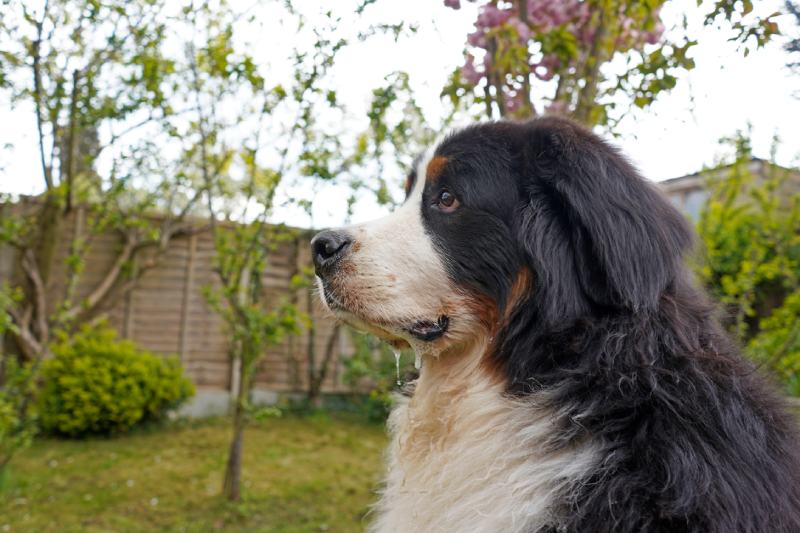

As a devoted dog lover and Bernese Mountain Dog aficionado, I‘m often asked: do Bernese Mountain Dogs drool? The short answer is a resounding yes – most Berners will bless your home with a generous helping of slobber. While the volume of drool varies from dog to dog, this breed is famous for being moderate to heavy droolers.
The Drool Stats
So just how much drool are we talking about? A survey of Bernese Mountain Dog owners by Embark Vet found that:
- 68% of Berners drool regularly
- 24% are occasional droolers
- Only 8% rarely or never drool
To put that in perspective, similar breeds known for drooling like Newfoundlands, Mastiffs, and Saint Bernards had 70-80% of owners reporting frequent drooling. So while Berners may not be the droopiest of the droolers, they‘re definitely up there.
Veterinarian Dr. Jerry Klein, Chief Veterinary Officer for the American Kennel Club, explains that the amount of drool a particular Bernese Mountain Dog produces depends on factors like "the looseness of the lips, the jawline, and the size of the dog." So there‘s quite a range in how much slobber you might encounter from one Berner to the next.
The Anatomy of a Drooler
What is it about Bernese Mountain Dogs that makes them such prolific droolers? Like other large working breeds, Berners have some key anatomical features that predispose them to dripping drool:
- Loose, droopy upper lips (also called "flews") that form pockets to trap saliva
- Substantial jowls that sag below the jawline and collect drool
- A long, soft palate that can cause saliva to pool at the back of the throat
- Heavy square muzzle that lacks the "tight-lipped" structure of smaller breeds
As Dr. Kristy Conn, a veterinarian specializing in dentistry and oral health, notes: "The looser and more pendulous the lips, the more likely the dog is to drool. Combine that with a large mouth and big jowls, and you‘ve got a recipe for serious slobber."
When a Berner drinks water, eats a meal, or produces excess saliva due to emotion or exertion, that slobber collects along their lips and jowls. Once those reservoirs are full – usually after a big slurp from the water bowl or in anticipation of a coveted treat – gravity takes over and the drool spills out onto your floor, furniture, or unlucky clothing.
Drool Triggers
Even the daintiest of Bernese Mountain Dogs will likely drool in certain scenarios that kick saliva production into high gear, such as:
- Panting heavily during exercise or in hot weather
- Watching you prepare their food or smelling something delicious
- Feeling anxious or excited, like during a car ride or when greeting visitors
- Lapping up a big drink after playtime or a walk
As Berner enthusiast Jenna Smith shares: "I‘ve had two Berners and they both drooled the most when they knew a treat was coming. They‘d sit there, jowls quivering, with this big string of drool stretching to the floor. It was equal parts endearing and disgusting!"
Drool as Communication
Veterinarian and animal behaviorist Dr. Sally J. Foote points out that drooling is a surprisingly expressive way for dogs to communicate their emotional and physical state:
- Submissive drooling when meeting new people or dogs can signal friendliness and deference
- Anxious drooling during stressful events like vet visits or fireworks shows distress
- Drooling while panting excessively can indicate overheating or thirst
- Sudden, excessive drooling when a dog seems "off" can be an early sign of nausea or mouth pain
So while it may seem like a slobbery mess to us, our Berner‘s drool is actually a valuable window into how they‘re feeling. Cornell veterinarian Dr. Leni K. Kaplan explains "Drooling is a normal behavior in dogs that serves useful purposes like helping with digestion and temperature regulation. As dog lovers, it‘s worth tolerating a little slobber to keep our companions cool, calm, and comfortable."
When Drooling Goes Awry
With all that said, too much of a good thing can be a bad sign when it comes to dog drool. If your usually tidy Bernese Mountain Dog suddenly unleashes a flood of saliva outside their normal triggers, it‘s time to pay attention.
Sudden, excessive drooling, especially when paired with other symptoms like lethargy, vomiting, lack of appetite, or a foul smell from the mouth, can indicate issues like:
- Dental problems like periodontal disease, infected teeth, or oral tumors
- Injuries to the mouth from foreign objects, burns, or ulcers
- Heatstroke or poisoning from a toxic substance
- Megaesophagus, a disorder that impairs swallowing
- Gastric dilatation volvulus (GDV), a life-threatening stomach twist
According to data from the Bernese Mountain Dog Club of America, cancer and GDV are two leading causes of death in the breed. Regular vet visits are key to catching dental disease and other drool-inducing health problems early. Dr. Conn advises Berner owners to "lift those lips and take a peek at least once a week. Catching a cracked tooth or gum infection quickly can spare your dog a lot of pain and you a major vet bill."
Managing Life with a Drool Factory

Photo from Dogtipper.com
If you‘re bringing a Bernese Mountain Dog into your life and home, a little proactive drool management can make your slobbery existence more enjoyable. Some tips from veteran Berner owners:
-
Use a slow feeder bowl with ridges, bumps, or a maze-like design to minimize the "slop factor" and contain drool at mealtimes. Elevated bowls can also help keep ears and jowls out of the food and water.
-
Teaching your Berner to "hold" a toy during greetings can reduce anxious drooling and give their mouth something to do besides make a mess. Dog trainer Jess Rollins recommends "Choose a toy they love and only bring it out when people are at the door. They‘ll learn to grab it to self-soothe and hopefully keep some of that slobber off your guests."
-
If your Berner is a nervous car rider, taking short, frequent trips to fun places and using calming pheromone sprays can dial down the stress drool. Mobile dog gear company Kurgo found 48% of dog owners deal with doggy drool on road trips – might as well make it a joyride!
-
For the most slobber-prone spots in your home like pet beds, crates, and couches, consider using waterproof liners, slipcovers, or elevated mesh beds to keep drool from soaking in. Interior design expert Erin Napier of HGTV‘s Home Town recommends performance fabrics like Crytpon or Sunbrella to repel moisture and resist stains.
-
Keep a drool towel handy wherever your Berner likes to lounge so you can swoop in for damage control when the floodgates open. If your dog allows it, a soft cloth wrapped loosely around their muzzle can create a slobber bib in a pinch.
At the end of the day (and the bottom of the drool puddle), Bernese Mountain Dogs are simply prone to producing prodigious amounts of saliva. It‘s a natural result of their big, beautiful mouths and droopy lips. While it can feel like a messy burden, drool is just one of the many quirks we accept and ultimately adore about our precious pups.
As Dr. Klein so eloquently puts it: "Drool is a fact of life for many dog breeds, especially gentle giants like the Bernese Mountain Dog. It‘s a sign that they‘re happy, healthy, and thriving. Embrace the slobber and remember – a droolly dog is a loved dog."
Fun Drool Facts
To wrap up, here are a few fascinating findings about drool that might help you appreciate your Berner‘s slobber:
-
Dog saliva contains enzymes that help break down food and antibacterial compounds that can kill pathogens. When your Berner licks their wounds or your small cuts, their spit is actually speeding healing. Maybe a French kiss from Fido isn‘t so bad after all!
-
Saliva helps dogs regulate their body temperature through evaporative cooling as it drips off their tongue. The bigger the dog, the more drool they need to stay chill – so Berners are just super cool customers.
-
Some researchers believe drooling evolved as a way for dogs to share important info with their pack mates, like what they‘ve been eating or if danger is near. When your Berner drools on you, perhaps they‘re just trying to keep you in the loop!
-
A 2019 study in the journal Pediatric Allergy and Immunology found infants in households with droolly dogs were less likely to develop allergies and asthma. Exposure to dog saliva early on might help train the immune system – something to consider if starting a family with a slobbery sidekick.
At the end of the day, drool is just one of the many "gifts" our Bernese Mountain Dogs bestow on us out of sheer love and devotion. It may be wet, sticky, and occasionally smelly, but it‘s all part of the beautiful bond we share with our canine companions. So the next time your Berner baptizes you with a big slobbery kiss, just remember – it‘s a sign of true love, sealed with a spit.


