
The Majestic Maremma Sheepdog: A Comprehensive Guide for Dog Lovers
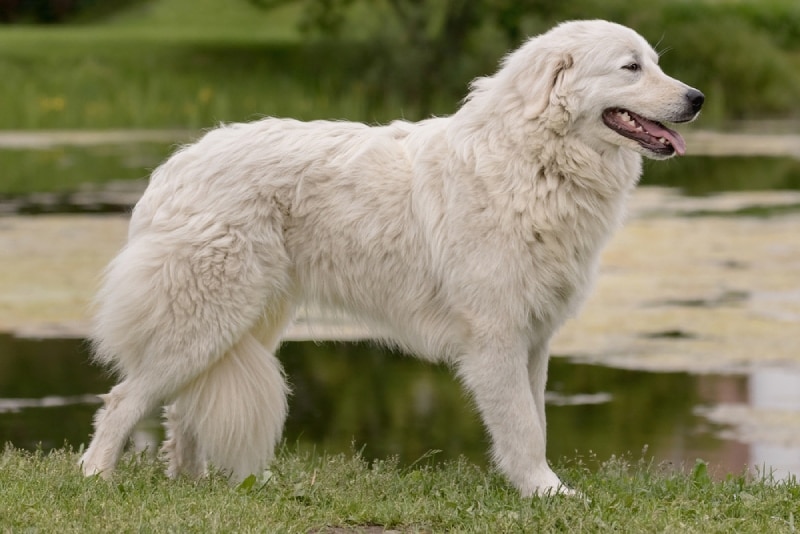

As a dog lover, I‘ve always been drawn to large, loyal breeds with a strong sense of purpose. The Maremma Sheepdog, with its striking white coat, powerful build, and unwavering devotion, certainly fits that bill. But there‘s so much more to this impressive breed than meets the eye. Let‘s dive into the fascinating history, characteristics, and care requirements of the Maremma Sheepdog.
A Breed Forged in the Mountains of Italy
The Maremma Sheepdog‘s story begins in the rugged mountains of central Italy, where the breed was developed to guard sheep and other livestock from wolves and thieves. The name "Maremma" comes from the coastal region of Tuscany, while "Abruzzese" refers to the neighboring region of Abruzzo. For centuries, these brave dogs have been the shepherd‘s loyal companions and invaluable partners in protecting their flocks.
According to breed historian Antonio Morsiani, the Maremma Sheepdog likely descended from ancient livestock guardian breeds brought to Italy by nomadic shepherds over 2,000 years ago. These ancestors were large, white dogs with thick coats, well-suited to the harsh mountain conditions. Over time, selective breeding by Italian shepherds refined the breed into the Maremma Sheepdog we know today.
From their earliest days, Maremma Sheepdogs have been expected to work independently, patrolling large territories to keep predators at bay. They formed close bonds with their shepherds and the animals under their care, but were also expected to think for themselves and make decisions in the field. This heritage has shaped the breed‘s temperament and working style to this day.
Physical Characteristics of the Maremma Sheepdog
One of the first things you‘ll notice about a Maremma Sheepdog is their impressive size. These are large, muscular dogs built for strength and endurance. Here‘s a breakdown of the breed‘s key physical characteristics:
| Characteristic | Male | Female |
|---|---|---|
| Height | 25-30 inches | 24-28 inches |
| Weight | 75-110 pounds | 66-88 pounds |
| Coat | Thick, white, slightly wavy | Thick, white, slightly wavy |
| Head | Large, bear-like | Large, bear-like |
| Eyes | Almond-shaped, dark brown | Almond-shaped, dark brown |
| Ears | Medium-sized, pendant | Medium-sized, pendant |
| Tail | Long, curved, carried low | Long, curved, carried low |
The Maremma‘s most striking feature is undoubtedly their thick, white coat. The outer coat is coarse and slightly wavy, while the undercoat is dense and soft. This double coat provides excellent insulation against the elements, allowing the breed to work comfortably in hot and cold conditions. Some Maremmas may have minor tan or lemon shading, but the breed standard calls for a pure white coat.
Maremma Sheepdogs have a powerful, muscular build that enables them to cover large territories and confront predators if necessary. They move with a smooth, easy gait that conserves energy, allowing them to work tirelessly for hours on end. Despite their size, Maremmas are agile and quick on their feet, able to navigate rough terrain with ease.
The Maremma Sheepdog Temperament
As a breed developed to work independently guarding livestock, the Maremma Sheepdog has a unique temperament that sets them apart from many other breeds. These dogs are highly intelligent, loyal, and protective, with a strong sense of responsibility towards their flock or family.
Maremmas are naturally wary of strangers and have a strong instinct to assess potential threats. They are not typically aggressive, but will not hesitate to confront a perceived danger to their charges. With their families, however, Maremmas are gentle, affectionate, and devoted companions. They thrive on human companionship and form deep bonds with their people.
As independent thinkers, Maremmas require a confident, experienced owner who can provide clear leadership and guidance. They do not respond well to harsh corrections or punishment-based training, but excel with positive reinforcement and consistency. Early socialization is critical to help Maremmas learn to discriminate between real and perceived threats.
Maremma Sheepdog expert and breeder, Linda Blum, sums up the breed‘s unique personality: "Maremmas are not for everyone. They require an owner who understands their working heritage and can channel their intelligence and protective instincts in a positive way. But for the right person, a Maremma can be the most loyal, devoted companion imaginable."
Grooming and Care Requirements
With their thick, white coats, Maremma Sheepdogs have substantial grooming needs. Weekly brushing is a must to prevent tangles and mats, and to remove loose fur. During shedding season, which occurs once or twice a year, daily brushing may be necessary to keep up with the volume of loose hair.
Regular bathing is also important to keep the coat clean and healthy. Maremmas should be bathed every 4-6 weeks, or as needed if they get dirty working or playing outside. It‘s important to use a high-quality, gentle shampoo designed for dogs to avoid stripping the coat of its natural oils.
In addition to coat care, Maremmas require regular nail trims, ear cleaning, and dental care. Nails should be trimmed every 2-4 weeks, or as needed to prevent overgrowth. Ears should be checked weekly for signs of infection and cleaned with a gentle, dog-safe solution. Daily tooth brushing with a dog-friendly toothpaste can help prevent dental disease.
As a large breed, Maremmas are prone to certain health issues, including hip dysplasia, bloat, and eye problems. Responsible breeders screen for these conditions, but it‘s important for owners to be aware of the signs and work with their veterinarian to develop a preventive care plan.
Training and Socialization Needs
As independent thinkers with strong protective instincts, Maremma Sheepdogs require early and ongoing training and socialization to become well-rounded companions. Puppies should be enrolled in a positive reinforcement-based obedience class as soon as possible, and socialization should begin from a young age.
Socialization involves exposing your Maremma to a wide variety of people, animals, and environments in a positive way. This helps them learn to discriminate between normal situations and true threats, and to respond appropriately. Socialization should continue throughout your Maremma‘s life to maintain their social skills.
Training a Maremma requires patience, consistency, and a firm but gentle hand. These dogs do not respond well to harsh corrections or punishment, which can damage the trust between dog and owner. Instead, focus on rewarding desired behaviors and redirecting unwanted ones. Clicker training and other positive reinforcement techniques are often very effective with this breed.
It‘s also important to provide your Maremma with plenty of mental stimulation and exercise to prevent boredom and destructive behavior. Daily walks, playtime, and training sessions can help keep your Maremma‘s mind and body active. Puzzle toys and interactive games can also provide much-needed mental enrichment.
The Maremma as a Livestock Guardian
While many Maremmas today are kept as companion animals, the breed remains an invaluable asset to farmers and ranchers around the world. Their natural instincts to guard and protect make them excellent livestock guardians, capable of deterring predators and keeping their charges safe.
Maremmas have been used to guard sheep, goats, cattle, and other livestock for centuries. They work independently, patrolling large territories and using their keen senses to detect potential threats. When a predator is detected, the Maremma will bark and posture to intimidate the threat and alert the shepherd or rancher.
Studies have shown that using Maremmas and other livestock guardian dogs can be an effective and environmentally friendly way to reduce predation on livestock. A 2013 study published in the Journal of Vertebrate Biology found that flocks guarded by Maremmas in Italy suffered 70% fewer predator attacks than unguarded flocks.
The use of Maremmas as livestock guardians has also helped to reduce conflicts between farmers and predators like wolves. By deterring predators from attacking livestock, Maremmas can help prevent retaliatory killings and promote coexistence between humans and wildlife.
The Maremma in Popular Culture
Beyond their traditional role as livestock guardians, Maremma Sheepdogs have captured the hearts of many through their appearances in popular culture. The breed gained international attention in 2015 with the release of the movie "Belle and Sebastian," set in the French Alps during World War II.
The film, based on the beloved French novel by Cécile Aubry, tells the story of a young boy named Sebastian and his loyal Maremma Sheepdog, Belle. Together, they embark on a series of adventures and form an unbreakable bond. The movie was a hit with audiences and helped to raise the profile of the Maremma Sheepdog breed.
More recently, the Maremma made headlines for their role in protecting a colony of penguins in Australia. In 2006, foxes had decimated the penguin population on Middle Island from over 1500 birds to less than 10. In a last-ditch effort to save the colony, local chicken farmer Allan "Swampy" Marsh suggested using Maremmas to guard the penguins.
Two Maremmas, Eudy and Tula, were trained and socialized with the penguins, then left to guard the island. The project was a resounding success, with the penguin population rebounding to over 100 birds within a few years. Today, the Middle Island Maremma Project continues to use Maremmas to protect the penguins, and has become a model for other conservation efforts around the world.
Is a Maremma Sheepdog Right for You?
While there‘s no denying the Maremma Sheepdog‘s impressive qualities, this breed is not the right fit for every owner or lifestyle. Maremmas require a dedicated, experienced owner who can provide consistent training, socialization, and leadership. They thrive in homes with plenty of space to roam and a job to do, whether that‘s guarding livestock or watching over their human family.
If you‘re considering adding a Maremma Sheepdog to your life, it‘s important to do your research and carefully consider your ability to meet the breed‘s needs. Talk to reputable breeders, meet adult Maremmas in person, and be honest about your lifestyle and experience level.
For the right owner, a Maremma Sheepdog can be an incredible companion, protector, and friend. Their loyalty, intelligence, and unwavering devotion are truly unmatched. As Maremma owner and enthusiast, Maria Costantini, puts it: "Living with a Maremma is a unique and rewarding experience. They challenge you to be a better leader and give you their whole heart in return."

Conclusion
The Maremma Sheepdog is a breed that truly embodies the best of the canine spirit. From their humble beginnings as livestock guardians in the mountains of Italy to their modern-day roles as devoted companions and conservation heroes, these dogs have left an indelible mark on the world.
As a dog lover, I am constantly in awe of the Maremma‘s strength, intelligence, and unwavering loyalty. While they may not be the right fit for every home, for those who can meet their needs, a Maremma Sheepdog can be a once-in-a-lifetime companion.
Whether you‘re drawn to their striking beauty, their fascinating history, or their incredible working abilities, there‘s no denying the Maremma Sheepdog‘s place among the most remarkable breeds in the world. And for those of us lucky enough to share our lives with one of these magnificent dogs, the rewards are truly immeasurable.


