Do Shetland Sheepdogs Shed? A Comprehensive Guide for Dog Lovers

Introduction
Shetland Sheepdogs, affectionately known as Shelties, are beloved companions known for their intelligence, loyalty, and stunning coats. As a dog lover and proud Sheltie owner, I understand the joy these wonderful dogs bring to our lives. However, one question that often arises among potential Sheltie owners is, "Do Shetland Sheepdogs shed?" In this comprehensive guide, we‘ll explore the intricacies of Sheltie shedding and provide you with valuable insights and tips to help you manage their coat like a seasoned pro.
Understanding the Sheltie Double Coat
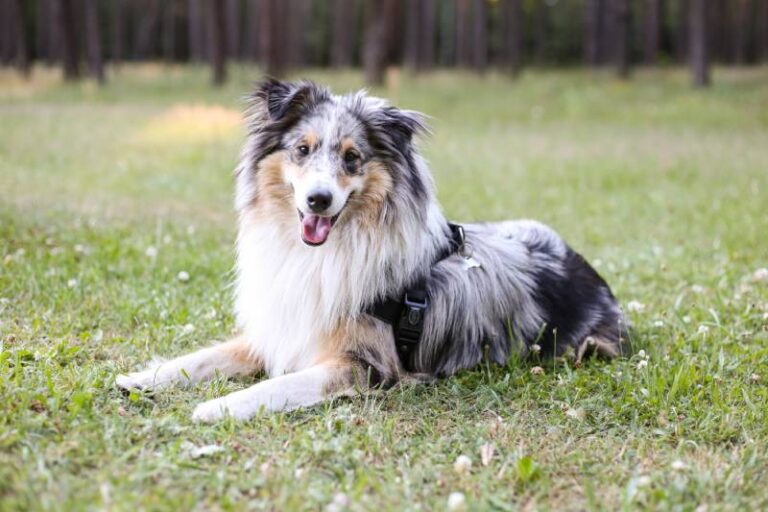
Shelties are adorned with a magnificent double coat that showcases their heritage as herding dogs from the Shetland Islands. This double coat consists of two layers: a harsh outer coat, known as guard hairs, and a soft, dense undercoat. The outer coat is long and straight, protecting the dog from the elements, while the undercoat provides excellent insulation, keeping them warm in cold weather and cool in hot temperatures.
The double coat structure serves a crucial purpose in regulating a Sheltie‘s body temperature and protecting their skin from external factors such as sun, wind, and rain. It‘s a testament to their adaptability and resilience, enabling them to thrive in various climates and environments.
Shedding Cycles and Patterns
Shetland Sheepdogs shed throughout the year, with more pronounced shedding during seasonal changes. Understanding these shedding cycles can help you anticipate and manage the amount of fur you‘ll find around your home.
Puppy Coat Shedding
Sheltie puppies are born with a soft, fluffy coat that gradually transitions into their adult double coat. During this transition, usually between 4 to 8 months of age, puppies may experience increased shedding as their adult coat grows in. This process is entirely normal and should not cause concern.
Adult Coat Shedding
Once a Sheltie reaches adulthood, they will shed consistently throughout the year. However, the amount of shedding can vary from dog to dog, influenced by factors such as age, health, and genetics. Some Shelties may shed more than others, but regular grooming can help minimize the amount of loose fur in your home.
Seasonal Shedding
Shelties, like many double-coated breeds, undergo heavier shedding during spring and fall. This seasonal shedding, also known as "blowing coat," is a natural process that allows them to adapt to changing temperatures and daylight hours. During spring, Shelties shed their thick winter undercoat to prepare for warmer weather, while in fall, they shed their summer coat to make way for a denser winter coat.
The amount of seasonal shedding can vary depending on factors such as climate and exposure to artificial lighting. Shelties living in regions with distinct seasonal changes may experience more pronounced seasonal shedding compared to those living in areas with more consistent temperatures.
Comparison to Other Double-Coated Breeds
Shetland Sheepdogs share similarities in coat type and shedding patterns with other double-coated breeds, such as Collies, Australian Shepherds, and Corgis. However, there are some differences in coat texture and length that may influence the amount of shedding.
Collies, for example, have a longer and more abundant coat than Shelties, which may result in higher shedding volumes. Australian Shepherds have a medium-length double coat with a slightly wavy texture, while Corgis have a shorter, denser double coat. Each breed‘s unique coat characteristics contribute to their shedding patterns and grooming requirements.
Grooming Tools and Techniques
Regular grooming is essential to maintain your Sheltie‘s coat health and minimize shedding. Here are some essential tools and techniques to keep in mind:
Essential Grooming Tools
- Slicker brush: A must-have for removing loose undercoat and preventing matting.
- Pin brush: Ideal for detangling and distributing natural oils throughout the coat.
- Metal comb: Helps remove tangles and ensures a thorough brushing.
Line Brushing Technique
Line brushing is a technique that involves parting the coat and brushing small sections at a time, ensuring that you reach the undercoat and remove all loose fur. This method is particularly effective during heavy shedding seasons and helps prevent matting and tangling.
Dematting and Detangling
If you encounter mats or tangles in your Sheltie‘s coat, use a dematting tool or a wide-toothed comb to gently work through the knots. Be patient and gentle to avoid causing discomfort or damaging the coat. In severe cases, it may be necessary to seek the help of a professional groomer.
Positive Reinforcement During Grooming
Grooming should be a positive experience for your Sheltie. Use praise, treats, and gentle handling to make grooming sessions enjoyable and stress-free. Regular grooming not only keeps your Sheltie‘s coat healthy but also strengthens the bond between you and your furry companion.
Nutrition and Coat Health
A well-balanced diet plays a crucial role in maintaining your Sheltie‘s coat health and reducing excessive shedding. Here are some key nutritional factors to consider:
Essential Nutrients for Healthy Skin and Coat
- Protein: High-quality protein sources, such as chicken, fish, or lamb, provide the building blocks for a healthy coat.
- Omega-3 fatty acids: Found in fish oil and flaxseed, omega-3s help promote skin and coat health, reducing inflammation and dryness.
- Vitamins and minerals: Vitamins A, E, and B-complex, along with minerals like zinc and copper, support overall coat condition.
Comparison of Commercial Dog Foods
When selecting a commercial dog food for your Sheltie, look for brands that prioritize high-quality ingredients and specific formulas for skin and coat health. Some premium dog foods contain added nutrients like omega-3 fatty acids and antioxidants to support a healthy coat and reduce shedding.
Homemade and Raw Diet Considerations
Some Sheltie owners opt for homemade or raw diets to have greater control over the ingredients and nutrients their dogs consume. While these diets can be beneficial for coat health, it‘s essential to consult with a veterinarian or a veterinary nutritionist to ensure that the diet is balanced and meets your Sheltie‘s specific nutritional needs.
Environmental Factors Affecting Shedding
Environmental factors can also influence the amount of shedding your Sheltie experiences. Consider the following:
Indoor vs. Outdoor Living
Shelties who spend more time outdoors may shed more due to exposure to natural light and temperature changes. Indoor Shelties may shed more consistently throughout the year due to artificial lighting and climate-controlled environments.
Humidity and Temperature
High humidity and warm temperatures can lead to increased shedding as dogs attempt to regulate their body temperature. Using air conditioning or dehumidifiers can help keep your Sheltie comfortable and minimize shedding during hot and humid months.
Exposure to Sunlight and Artificial Lighting
Exposure to natural sunlight and artificial lighting can influence a Sheltie‘s shedding cycles. The amount of daylight hours triggers hormonal changes that regulate coat growth and shedding. Keeping a consistent light schedule and minimizing exposure to artificial lighting at night can help maintain a more predictable shedding pattern.
Allergies and Shedding
Allergies can contribute to excessive shedding in Shelties. Common allergens include:
- Food ingredients (e.g., chicken, beef, dairy, wheat)
- Environmental factors (e.g., pollen, dust mites, mold)
- Fleas and other parasites
If you suspect your Sheltie has an allergy, watch for symptoms such as itching, redness, and hair loss. Consult with your veterinarian for allergy testing and appropriate treatment options, which may include dietary changes, medications, or immunotherapy.
Hormonal Imbalances and Hair Loss
Hormonal imbalances can lead to excessive shedding and hair loss in Shelties. Two common conditions are:
Hypothyroidism
Hypothyroidism is a condition in which the thyroid gland does not produce enough hormones, leading to a slow metabolism and coat changes. Shelties with hypothyroidism may experience hair thinning, dullness, and increased shedding. Blood tests can diagnose hypothyroidism, and treatment involves daily thyroid hormone supplementation.
Cushing‘s Disease
Cushing‘s disease, or hyperadrenocorticism, is a condition in which the body produces excess cortisol. Symptoms include increased thirst and urination, panting, and hair loss. Diagnosis involves blood tests and imaging, and treatment options include medications and surgery.
If you notice any unusual hair loss or shedding patterns in your Sheltie, consult with your veterinarian for proper diagnosis and treatment.
Importance of Regular Veterinary Check-Ups
Regular veterinary check-ups are essential for maintaining your Sheltie‘s overall health and detecting any underlying issues that may contribute to excessive shedding. Your veterinarian can:
- Perform physical examinations to assess coat condition and identify any skin problems
- Recommend appropriate parasite control measures (e.g., flea and tick prevention)
- Provide guidance on nutrition and supplements for optimal coat health
- Monitor your Sheltie‘s weight and body condition
- Detect and manage age-related coat changes in senior Shelties
Shedding Management Products
In addition to regular grooming, several products can help manage Sheltie shedding:
De-Shedding Tools
- Furminator: A popular de-shedding tool that removes loose undercoat without damaging the topcoat.
- Zoom Groom: A rubber brush that massages the skin and removes loose fur during bathtime.
Shed-Control Shampoos and Conditioners
Specialized shampoos and conditioners designed to reduce shedding can help loosen and remove excess undercoat. Look for products containing omega-3 fatty acids and other coat-nourishing ingredients.
Omega-3 Supplements
Omega-3 supplements, such as fish oil or flaxseed oil, can improve skin and coat health from the inside out. These supplements help reduce inflammation, improve coat shine, and minimize shedding. Always consult with your veterinarian before starting any new supplement regimen.
Coping with Shedding in the Home
Shedding is a natural part of life with a Sheltie, but there are ways to minimize the impact on your home:
- Regular vacuuming and lint rolling: Invest in a high-quality vacuum cleaner designed for pet hair and use lint rollers to remove fur from clothing and furniture.
- Furniture covers and pet beds: Use machine-washable furniture covers and provide your Sheltie with a designated pet bed to contain shedding.
- Air purifiers and filters: HEPA air purifiers can help capture airborne fur and dander, improving indoor air quality.
Sheltie Coat Care Throughout the Lifespan
As your Sheltie grows and ages, their coat care needs may change:
Puppy Coat Development and Shedding
Sheltie puppies are born with a soft, fluffy coat that gradually transitions into their adult double coat. During this transition, usually between 4 to 8 months of age, puppies may experience increased shedding as their adult coat grows in. Regular brushing and gentle grooming can help manage this process.
Adult Coat Maintenance
Adult Shelties require consistent grooming to maintain their coat health and minimize shedding. Brush your Sheltie at least twice a week, and more frequently during heavy shedding seasons. Regular baths, every 4 to 8 weeks, can help remove loose fur and keep the coat clean and healthy.
Senior Sheltie Coat Changes and Care
As Shelties age, their coat may become thinner and more prone to matting. Senior Shelties may also develop age-related skin conditions that affect coat health. More frequent grooming, using gentler tools and techniques, can help keep your senior Sheltie comfortable and their coat in good condition. Regular veterinary check-ups are crucial to identify and manage any age-related health concerns.
Conclusion
Shetland Sheepdogs do shed, but their charming personalities and devoted nature make them well worth the extra grooming. By understanding your Sheltie‘s unique coat characteristics, implementing a regular grooming routine, and providing a balanced diet, you can minimize shedding and keep your furry friend‘s coat looking its best.
Remember, every Sheltie is different, and shedding patterns can vary from one dog to another. Embrace the fluff, and cherish the unconditional love and joy your Sheltie brings into your life. With patience, care, and a positive attitude, you and your Sheltie will enjoy many wonderful years together, filled with laughter, adventures, and a little extra fur.