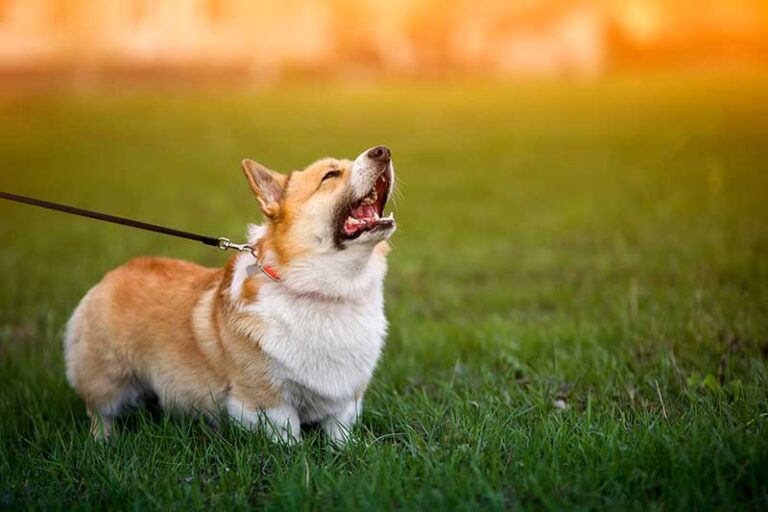
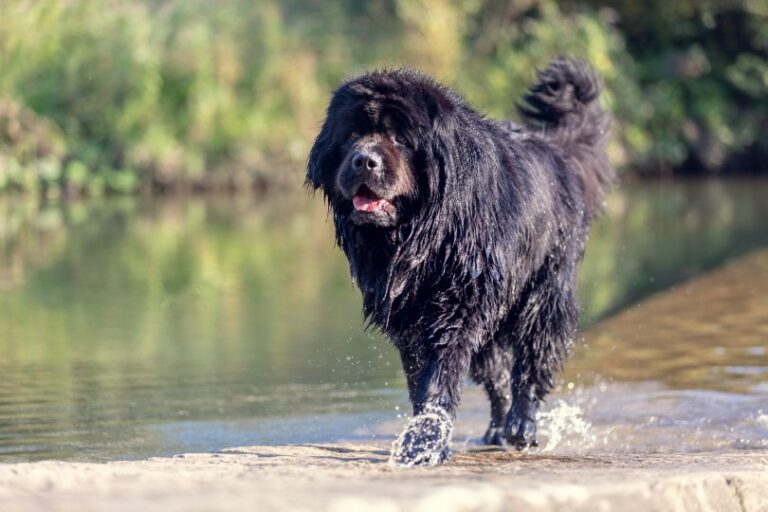
Escape Artist Dog Breeds: The Furry Houdinis You Need to Watch Out For
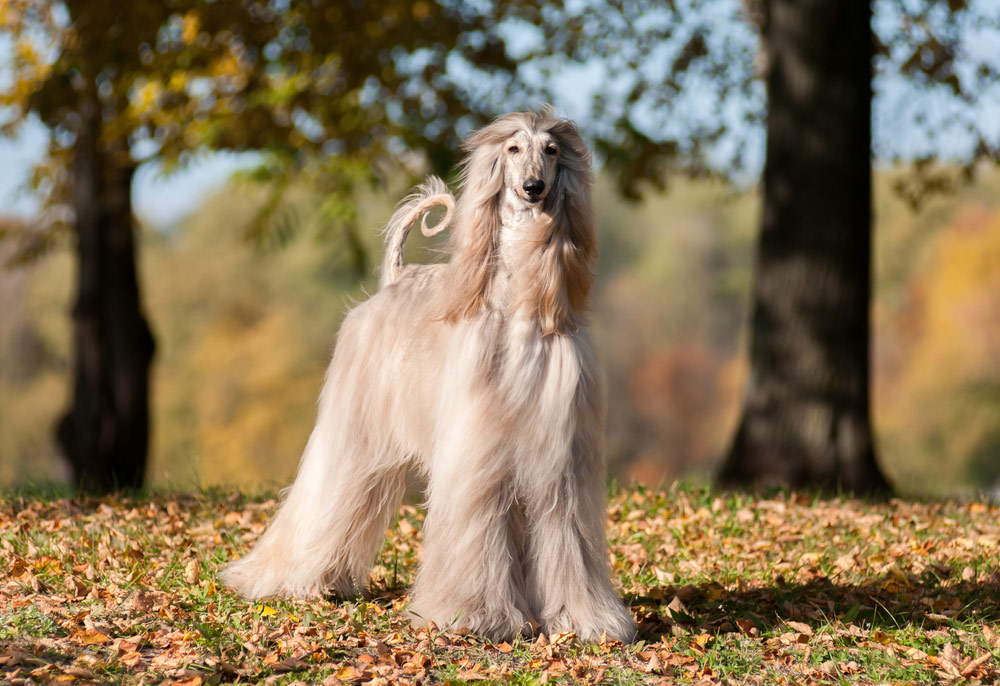
Does your dog have a knack for escaping your carefully secured yard or slipping out the front door when you least expect it? You may have an escape artist on your hands!
Certain dog breeds are notorious for their uncanny ability to find ways out of even the most carefully contained spaces. From scaling tall fences to digging under gates, these furry Houdinis have a talent for getting out and exploring the world beyond their designated boundaries.
As dog owners, it‘s crucial to be aware of these mischievous tendencies and take steps to prevent your pup from putting themselves in danger with their escapist ways. In this article, we‘ll profile 20 dog breeds most likely to be escape artists, examine what motivates them to make a getaway, and share expert tips for keeping your four-legged friend safe and secure.
What Makes an Escape Artist Dog?
Before we get into the specific breeds, let‘s look at some of the common traits and characteristics that make a dog more likely to be an escape artist:
- High energy level and need for exercise
- Strong prey drive that compels them to chase after small animals, bikes, etc.
- Independent nature and desire to roam
- Athleticism with the ability to jump high fences or run fast
- Intelligence to problem-solve and figure out creative escape routes
- Digging instincts to burrow under barriers
- Curiosity and confidence to explore new territories alone
Many of these traits stem from a breed‘s original purpose – for example, hounds and terriers bred to hunt have a strong instinct to follow scents and a desire to chase prey. Working dogs bred for herding, guarding, or sledding tend to be highly energetic, intelligent, and independent in order to do their jobs. Knowing your dog‘s breed background can provide insight into their potential escaping behaviors.
Does this mean all individuals of these breeds will be escape artists? Not necessarily. But they may be more likely to exhibit these Houdini-like habits, especially without proper training and stimulation. A bored, under-exercised dog is much more motivated to escape and entertain themselves!
The 20 Breeds Most Likely To Escape
Now let‘s meet the breeds most often cited as notorious escape artists and learn what makes them so skilled at getting out and about.
1. Siberian Husky
The Siberian Husky tops many lists of the greatest escape artist dog breeds – and with good reason! These muscular, athletic working dogs have a powerful desire to run and roam. Couple that with their intelligence to problem solve, and a Husky will find a way up and over a fence, through a door, or out of a crate in no time.
Huskies were bred as sled dogs to work in packs and cover long distances in harsh climates. Today, those instincts remain strong. A Husky needs a lot of vigorous exercise every day and a securely fenced yard to prevent escapes. They also tend to be highly independent and can have a stubborn streak. Consistent training is a must.
2. Jack Russell Terrier
Don‘t let their small size fool you – Jack Russell Terriers can be big-time escape artists! These feisty little dogs are very energetic, curious, and fearless. They‘ll leap over or dig under fences with surprising ease to pursue something that catches their eye.
Jack Russells were bred as hunting dogs to flush out foxes and other small prey from underground dens. Their tenacity, prey drive, and ability to both dig and jump make them as good at escaping yards as ferreting out foxes. They have a very independent nature and need firm training as well as lots of exercise to keep escaping behaviors in check.
3. Beagle
Beagles may seem like unlikely candidates for escape artists with their sweet, merry personalities. But these little hounds have noses that can lead them into trouble! Once a Beagle catches an interesting scent, they‘ll follow it as far as it takes them, deaf to their owner‘s calls to come back.
Beagles were bred to work in packs to trail rabbits and other small prey. They can be very single-minded once on a scent and have strong urges to roam and explore. Beagles need to stay on leash during walks and have securely fenced yards to prevent wandering. They also tend to dig under barriers and need training to counteract their nose-driven escapist ways.
4. Border Collie
The brilliant Border Collie is the smartest of all dog breeds – which also makes them one of the craftiest escape artists! These workaholics have a compulsive need to stay busy and will make their own fun by figuring out ways to escape if they‘re bored.
Border Collies are adept at studying fences for weaknesses, digging out, or jumping over barriers. They require a lot of physical exercise and mental stimulation every day to keep them happily contained. They are also highly sensitive and may attempt to escape if they feel anxious or overly confined. Positive training methods and a securely enclosed environment are a must.
5. Australian Shepherd
Australian Shepherds are very similar to Border Collies in their keen intelligence, athleticism, and tireless work ethic. And they are just as driven to escape as their collie cousins!
These herding dogs need a job to do and a lot of room to run. Without enough mental and physical exercise, an Aussie will make their own entertainment by figuring out how to get out of the yard to herd the neighborhood children or chase a passing bike. They are also master diggers that can quickly tunnel under fences.
Aussies require consistent training and a big, securely fenced area to run off their energy. Leaving them alone for long periods is a recipe for escapes, so they do best with an owner who can be with them most of the day.
6. German Shepherd
German Shepherds are incredibly smart, athletic, and energetic – a combination that lends itself well to escaping! These instinctive guardians have a strong desire to patrol and protect their territory, leading some to wander if given the chance.
While generally very trainable and obedient, German Shepherds are also independent thinkers that will take matters into their own paws if they spot a threat or feel the need to expand their turf. They can easily scale tall fences or break out of crates and need intensive exercise to stay content at home. A securely contained yard, firm training, and plenty of activity are a must for this breed.
7. Labrador Retriever
Labrador Retrievers are America‘s most popular dog breed known for their friendly, stable temperaments. But these water dogs are also surprisingly adept at escaping!
Labs have a lot of energy and a strong instinct to explore. Many love to wander and can have a one-track mind when they spot a squirrel, duck, or anything else worth chasing. They are also very powerful and determined dogs that won‘t let a fence stop them from investigating an interesting scent or sound.
While easier to train than some of the other breeds on this list, a Lab still needs plenty of exercise, mental stimulation, and training to prevent boredom and escapes. A tired Lab is much more likely to be a content homebody!
8. Shar Pei
The wrinkly Shar Pei may seem an unlikely escape artist with their quiet, dignified demeanor. But don‘t be deceived – these independent, intelligent dogs have retained many primitive instincts from their history as guard dogs and fighters.
Shar Peis can be very territorial and suspicious of strangers. Some have a strong drive to patrol beyond their yards, fueled by an aloof confidence to set out on their own. They require a solidly fenced enclosure and respond best to calm, consistent training. Socialization from a young age is also important to teach a Shar Pei to accept novel people and situations rather than try to get away from them.
9. Greyhound
Built for speed, the sleek Greyhound can dash out an open door or gate and be blocks away in a blink of an eye! These sighthounds have a very strong instinct to chase anything that moves and can hit speeds of 45 miles per hour, making them very difficult to catch once on the loose.
While generally calm, sweet dogs, Greyhounds are very independent and have a low tolerance for confinement. They need a lot of exercise, including some off-leash running in a safely enclosed area to satisfy their need for speed. Otherwise, they‘ll take any opportunity to make a fast getaway! Microchipping and ID tags are a must for this flight-risk breed.
10. Rat Terrier
Fearless, feisty, and endlessly energetic, the Rat Terrier is a master escape artist in a tiny package! Standing just 10-13 inches tall, these little dynamos have a knack for squeezing through small spaces, climbing, jumping, and digging out of yards with ease.
Bred as farm dogs and hunters of small prey like rats, Rat Terriers have a tireless work ethic and strong prey drive. They‘ll pursue anything that catches their eye with single-minded determination. Their curiosity also compels them to patrol beyond their properties. Only a yard with high, sturdy fences will contain a Rat Terrier – and even then, supervision is a must!
11. Shiba Inu
The foxy Shiba Inu is an ancient Japanese breed known for its independent spirit and cat-like agility – two traits that make them very skilled escape artists! These compact, muscular dogs can scale fences in a single bound.
Shibas tend to be aloof with strangers and have a strong instinct to chase small prey. Their predatory drift combined with a boldness to explore makes them very likely to take off after anything that gets their attention. They need a tall, secure fence and consistent training to counteract their wanderlust. Positive training methods work best with this sensitive but stubborn breed.
Other Notable Escape Artist Breeds:
- Cairn Terrier
- Whippet
- Vizsla
- Weimaraner
- Poodle
- Chihuahua
- Pug
- Dachshund
- Alaskan Malamute
- Afghan Hound
How To Houdini-Proof Your Home
So you have one of these escape artist breeds or another dog who excels at getting loose – now what? While there‘s no way to completely extinguish these engrained behaviors, there are steps you can take to minimize the risk of your dog going on unauthorized adventures.
Tips to prevent escapes:
-
Secure your yard: Install a fence that is at least 6 feet high with strong gates that latch tightly. Consider extending it underground to prevent digging. Regularly inspect it for weak spots. For committed climbers, you may need to add an inward-angled section at the top of the fence.
-
Use a well-fitting harness and leash: A secure harness is harder for a dog to slip out of compared to a collar. Always walk your dog on leash and check that the leash clasp is in good working order before heading out.
-
Provide plenty of exercise: A tired dog is a happy dog that‘s more likely to relax at home. Most escape artists need a minimum of 60-90 minutes of vigorous exercise each day, which may include brisk walks, running, fetching, playing, and/or swimming.
-
Keep them mentally stimulated: In addition to physical exercise, escape artist dogs need mental gymnastics to stave off boredom. Puzzle toys, food-dispensing gadgets, scent games, and learning new tricks are all great boredom busters. Mix it up to keep your dog guessing!
-
Never leave them unattended: Escape artist breeds should not be left alone outside, even in a fenced yard. Many can make a getaway in seconds, so stay with your dog when they‘re outdoors. When you can‘t supervise, keep them inside the house.
-
Train a rock-solid recall: Teaching your dog to come when called can be a lifesaver if they do get loose. Practice in a variety of locations with exciting distractions to ensure they‘ll listen even with temptations all around. Reward them generously when they come to you.
-
Invest in a GPS tracker: A GPS device attached to your dog‘s collar can help you find them quickly if they do escape. It‘s an extra layer of insurance in case your Houdini hound makes a break for it.
The Importance of Preventing Escapes
Not only is it frustrating to have a dog who constantly escapes, it‘s downright dangerous for your pup! A loose dog is at risk of getting lost, hit by a car, attacked by another animal, stolen, or picked up by animal control. Even the most street-savvy dog can run into trouble when navigating the world on their own.
As responsible dog owners, it‘s up to us to keep our escape artist dogs safe, no matter how clever they may be at getting out of the house or yard. With a multi-pronged approach of physical containment, training, and plenty of exercise and stimulation, we can ensure our furry Houdinis stay satisfied with their home base and resist the urge to see what‘s on the other side of the fence!
Sources
-
American Kennel Club – "Escape Artist Dogs: 5 Breeds That Are Eager to Explore"
https://www.akc.org/expert-advice/training/dog-escapes-blame-breed/ -
PetMD – "8 Dog Breeds That Are Excellent Escape Artists"
https://www.petmd.com/dog/slideshows/8-dog-breeds-are-excellent-escape-artists -
Daily Paws – "10 Dog Breeds That Are Notorious Escape Artists"
https://www.dailypaws.com/dogs-puppies/dog-breeds/dog-breeds-that-escape -
Dogster – "dog breeds that are escape artists"
https://33rdsquare.com/lifestyle/dog-breeds-escape-artists -
The Bark – "Confessions of Escape Artist Dog Owners"
https://thebark.com/content/confessions-escape-artist-dog-owners