From Royal Lap Warmers to Beloved Butterfly Dogs: The Papillon‘s Regal History
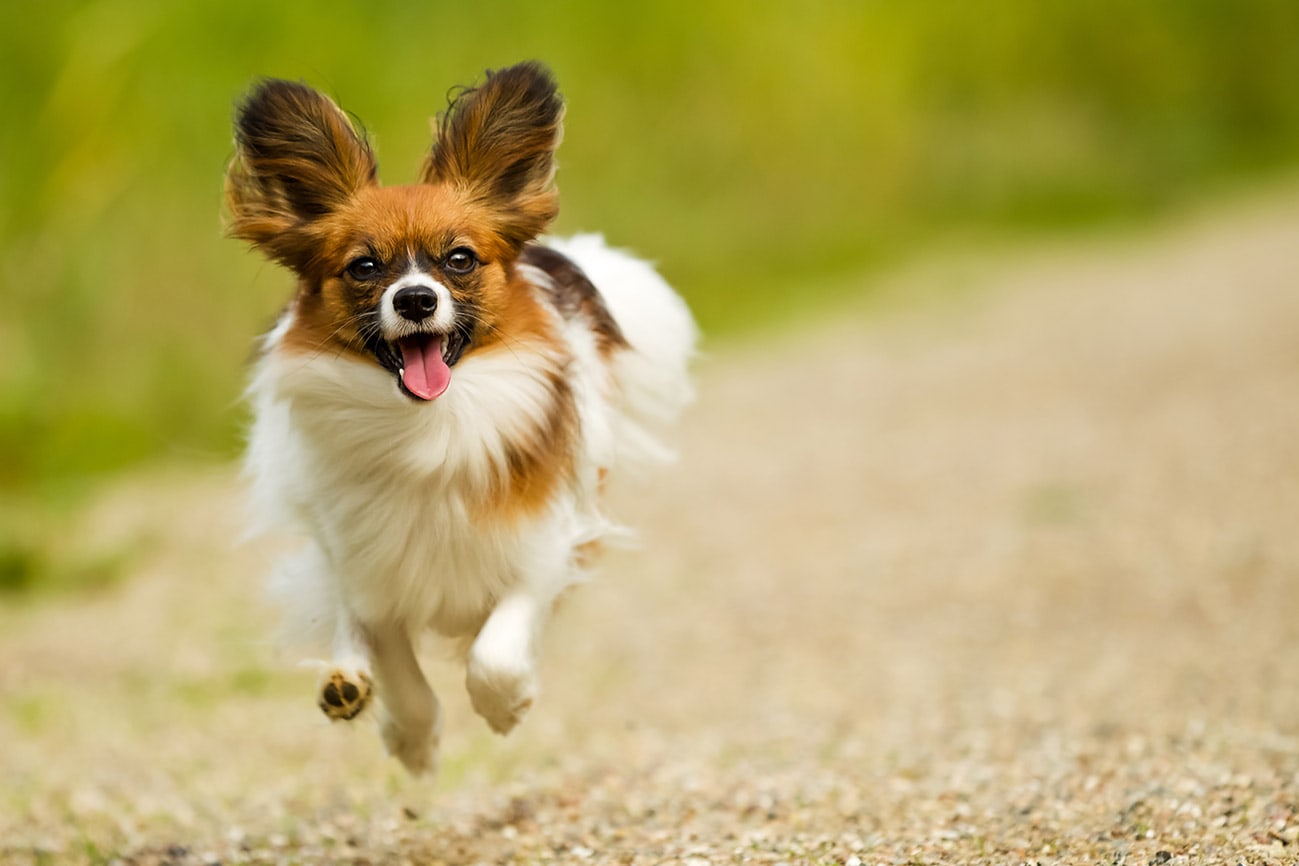
As a lifelong dog lover and unabashed fan of toy breeds, I have a special place in my heart for papillons. With their silky coats, bold personalities, and of course, those iconic upright ears, it‘s no wonder these little charmers have captivated hearts for centuries. But how did the papillon go from being a favored lap dog of European nobility to the popular family pet we know today? Let‘s take a deep dive into the fascinating history and evolution of this regal breed.
A Tiny Dog with an Outsized History
The exact origins of the papillon are a bit murky, but most experts agree that the breed emerged in Western Europe, likely in Italy and France, sometime in the 16th century. Toy spaniels fitting the papillon‘s description can be seen in Italian paintings as far back as the 13th century, so it‘s possible that the breed‘s roots stretch back even further.
One famous example is the 16th century artist Titian, who featured small spaniels closely resembling the early drop-eared papillons (known as phalènes) in many of his paintings. Other Renaissance artists like Fragonard, Boucher, and Watteau also frequently included these little dogs in portraits of aristocratic ladies.
Indeed, toy spaniels like the papillon quickly became the ultimate accessory for noble and royal women in the 16th-18th centuries. Their small size meant they could be carried around in the voluminous sleeves and skirts that were in fashion at the court of Louis XIV and beyond. The dogs not only made stylish companions, but also served a practical purpose by acting as foot warmers and living hot water bottles. Some doctors even prescribed having a small spaniel lay on one‘s stomach to cure digestive ailments!
Historians have found expense records showing that many French queens and courtiers had their own "sleeve dogs," as they were sometimes known. Perhaps most famously, Marie Antoinette was said to be deeply devoted to her phalène named Thisbe. When the queen was imprisoned during the French Revolution, she allegedly had Thisbe smuggled in to comfort her.
So how did these little royal lap dogs go from having folded, moth-like ears to the upright "butterfly" ears that give the modern papillon its name? The exact timeline is unclear, but by the 18th century, the erect-eared variety was becoming increasingly common, especially in France and Belgium.
Some believe that the unique ear carriage was a spontaneous genetic mutation that became increasingly popular and was selectively bred for. Others theorize that the upright ears were deliberately cultivated through breeding, possibly by crossing existing toy spaniels with breeds like the Chihuahua or Toy Manchester Terrier. However, the once-popular notion that papillons got their ears from being crossed with the Japanese Chin in the 1800s has been thoroughly debunked by modern genetic analysis.
Regardless of how they got their signature ears, papillons continued to be refined throughout the 19th century to have the compact size, silky coat, and friendly temperament that define the breed today. While the drop-eared phalène variety declined in popularity compared to the butterfly-eared papillon, it never disappeared entirely. Even today, it‘s possible for both ear types to pop up in the same litter.
Papillons Make a Splash in the New World
While papillons reigned in the courts and salons of Europe for centuries, it wasn‘t until the late 1800s that they made their way to the United States in the hands of wealthy American tourists. The adorable toy spaniels quickly captured the hearts of dog lovers on this side of the pond.
In the early 20th century, as dog showing and breeding became increasingly popular, papillons began to be exhibited at some of the country‘s most prestigious events. According to the American Kennel Club, the first papillon was registered with the organization in 1915, and the breed was officially recognized in 1935. That same year saw the founding of the Papillon Club of America, established to promote and protect these charming little dogs.
The breed‘s popularity steadily grew throughout the mid-20th century, with papillons making their debut at the legendary Westminster Kennel Club show in 1937. By 1957, the breed had received full recognition from the FCI (World Canine Organization) under the name Epagneul Nain Continental.
So just how popular are papillons today? According to the AKC, the papillon ranked as the 54th most popular breed in the United States in 2021, out of 197 recognized breeds. Over 5,000 new papillon puppies were registered with the AKC that year, and the breed‘s popularity continues to grow globally, with increasing numbers in Europe, Australia, Russia, China, and Latin America.
While they‘re not quite as ubiquitous as other tiny companion breeds like the Chihuahua or Yorkshire Terrier, papillons have a dedicated following that appreciates their unique combination of elegance, intelligence, and outsized personality in a small package.
The Ideal Lapdog, by Design
Many of the traits that make papillons so endearing and unique can be traced back to their centuries of history as the preferred pets of the European elite. Through selective breeding, these dogs were carefully crafted to be the ultimate companions and lapdogs.
One example is the papillon‘s famously large brain (relative to their body size). This high intelligence and trainability is likely the result of generations of breeding for close human companionship and interaction. Papillons were expected to be more than just decorative accessories – they needed to be able to understand and respond to their owners‘ wishes.
Similarly, the breed‘s bold, outgoing personality and fearless nature seem at odds with their delicate appearance. But when you consider that these dogs were bred to be spoiled and pampered, it makes sense. Papillons never needed to develop the reserved or submissive demeanor of dogs bred for physically taxing or dangerous jobs.
That velcro lapdog tendency that has papillons always wanting to be attached to their owners at the hip (or the lap)? That too was deliberately cultivated by humans who wanted constant canine companionship. A good lapdog is one you don‘t need to go looking for.
Even the papillon‘s propensity for yappy barking likely has roots in its history as a companion to nobles and courtiers. These little dogs were expected to be alert watchdogs, sounding the alarm at any sign of an intruder (or a servant sneaking into the salon). While that incessant barking might have been a boon in a royal palace, modern owners often have to work overtime to keep it under control.
So what does it take to be a good owner to a dog that was literally bred for centuries to be spoiled rotten? Papillons need plenty of attention, training, and care to thrive. Their long, silky coats require frequent brushing and grooming to prevent tangles and mats. As a toy breed, they can be prone to dental issues, so regular teeth brushing and professional cleanings are a must.
Papillons also tend to be sensitive to cold temperatures, a holdover from their days spent tucked into the sleeves of royal robes. In chilly weather, they appreciate a cozy sweater or a warm lap to snuggle in.
Most importantly, papillons crave constant companionship and can develop separation anxiety if left alone too often. While they don‘t need a ton of outdoor exercise, they require plenty of playtime and interaction. Puzzle toys, training sessions, and lots of cuddles are a must to keep these intelligent dogs happy.
Papillons are also known for their surprising athleticism and speed, excelling at dog sports like agility and flyball. Their eagerness to please and quick minds make them star pupils in obedience and trick training as well. But at the end of the day, nothing makes a papillon happier than being with their beloved person – whether that means warming a lap or prancing proudly at the other end of a leash.
A Bright Future for a Breed with a Regal Past
With their charming personalities, elegant appearance, and fascinating history, it‘s easy to see why papillons have captured hearts for so many centuries. What started as a favorite pet of European royalty has evolved into a beloved companion dog enjoyed by families all over the world.
While they may no longer be called upon to warm the laps of queens or grace the halls of palaces, papillons have stayed true to their roots as the ultimate lapdogs. Through centuries of selective breeding and changing fashions, these little dogs have retained the intelligence, devotion, and spunky spirit that made them so prized by the upper crust of centuries past.
For modern papillon owners, understanding the breed‘s long and storied history provides invaluable insights into their dogs‘ temperament, needs, and quirks. So the next time your papillon leaps into your lap or lets out an ear-splitting bark at a passing squirrel, just remember – they come by it honestly. Spoiling and pampering these special little dogs isn‘t just a luxury, it‘s practically a royal decree.