Gentle Giants in Chocolate Coats: The Captivating Brown Newfoundland Dog
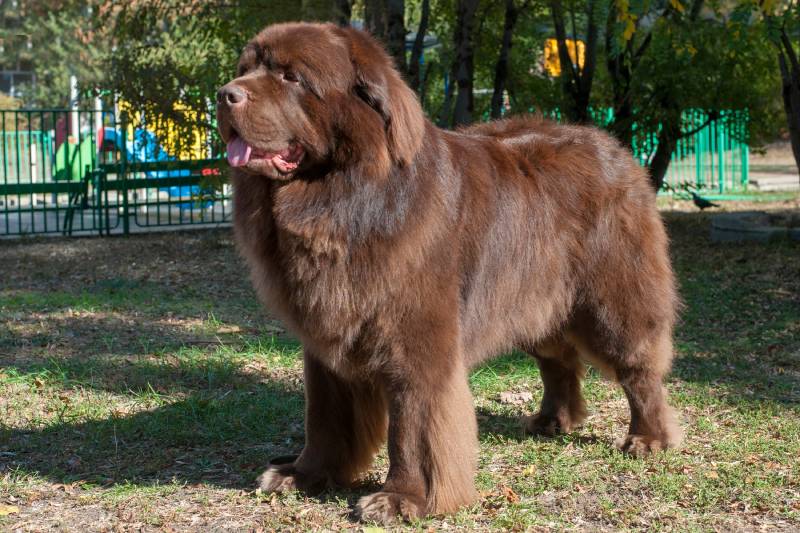
For dog lovers with a penchant for gentle giants, there‘s something extra special about a brown Newfoundland dog. These majestic creatures boast the same sweet disposition, strength, and sea-worthy heritage as their more common black and Landseer counterparts, but with the added allure of a luxurious chocolate coat. Let‘s dive into the world of brown Newfies and discover what makes them so captivating.
The Rare Beauty of Brown Newfoundlands
While black and black-and-white (Landseer) Newfoundlands may be more well-known, brown Newfies are a sight to behold. Their coats range from a light golden-brown to a rich, dark chocolate hue, always incredibly thick, soft, and water-resistant. But why is the brown color so much rarer than black or Landseer?
The answer lies in genetics. The gene responsible for the brown coat color in Newfoundlands is recessive, meaning a dog must inherit a copy of the gene from both parents to display the brown coloration. In contrast, the gene for black coat color is dominant, so a Newfie only needs to inherit one copy of the black gene to have a black coat, even if they carry the recessive brown gene as well.
This genetic quirk means that brown Newfoundlands are far less common than their black or Landseer relatives. Some estimates suggest that only around 10% of Newfoundlands born are brown. However, many Newfoundland enthusiasts find the brown color especially striking and seek out these chocolate-coated giants specifically.
A Legacy of Heroism and Hard Work
Regardless of coat color, all Newfoundlands share a remarkable history as working dogs in the rugged island of Newfoundland, off the coast of Canada. Developed in the early 1600s from large dogs brought to the island by European fishermen, the Newfoundland breed evolved to become an indispensable partner to the island‘s fishing industry.
These powerful, water-loving dogs were tasked with hauling heavy fishing nets and lines from the icy Atlantic waters, as well as serving as living lifelines for fishermen and sailors who found themselves overboard in the unforgiving northern seas. Historical records are filled with accounts of Newfoundlands saving countless lives through their bravery and swimming prowess.
Some breed historians theorize that brown Newfoundlands may have been more prevalent in certain regional working lines in Newfoundland during the breed‘s early development. Paintings and photographs from the 18th and 19th centuries seem to depict more brown Newfoundlands serving as working dogs than we typically see in the breed today.
As the Newfoundland transitioned from a tough working dog to a beloved family pet in the late 19th and early 20th centuries, the black and Landseer colors became more fashionable and favored in the show ring. However, dedicated breeders have worked to preserve the brown color within the breed, ensuring that these chocolate beauties continue to captivate Newfoundland lovers around the world.
Grooming Your Gentle Brown Giant
As any Newfoundland owner can attest, these dogs are not for the faint of heart when it comes to grooming. That magnificent brown double coat requires regular attention to keep it healthy, mat-free, and looking its best.
Most Newfoundland experts recommend brushing at least twice a week, using a combination of a slicker brush to remove tangles and a undercoat rake to thin out the dense undercoat. During shedding season, which typically occurs twice a year, daily brushing may be necessary to keep up with the deluge of loose fur.
Bathing a Newfoundland is also quite the undertaking, given their immense size and thick coats. Owners should plan on bathing their Newfs every 6-8 weeks, using a high-quality dog shampoo designed for thick double coats. Thorough rinsing is crucial to prevent skin irritation, and a powerful blow dryer can be a invaluable tool for drying that dense brown fur efficiently.
Of course, Newfoundlands are also notorious for drooling – a lot. Their jowly faces and love of water mean that most Newfie owners find themselves dealing with a fair amount of slobber on a daily basis. Keeping a few absorbent cloths or towels on hand for wiping up drool is a must for any Newfoundland household.
Health Considerations for Newfoundland Dogs
Like many giant breeds, Newfoundlands are prone to certain health issues that prospective owners should be aware of. Responsible Newfoundland breeders work diligently to screen their breeding stock for these concerns and produce the healthiest puppies possible, but it‘s still important for owners to be proactive about their dog‘s health.
Some of the most common health concerns in Newfoundlands include:
- Hip and elbow dysplasia: These orthopedic conditions involve abnormal development of the hip or elbow joints, leading to pain, lameness, and arthritis. Responsible breeders screen their dogs for dysplasia using x-rays before breeding.
- Cruciate ligament tears: Newfoundlands are prone to tearing the cruciate ligaments in their knees, which can cause severe pain and lameness. Keeping Newfies at a healthy weight and providing joint supplements can help reduce the risk of cruciate tears.
- Gastric dilatation volvulus (bloat): This life-threatening condition occurs when a dog‘s stomach fills with gas and twists on itself, cutting off blood flow. Giant breed dogs like Newfoundlands are at higher risk for bloat, so owners should feed smaller, more frequent meals and avoid exercise immediately after eating.
- Heart disease: Newfoundlands can be prone to certain types of heart disease, such as dilated cardiomyopathy and subvalvular aortic stenosis. Regular check-ups with a veterinarian can help catch these conditions early.
By working with a reputable breeder, staying on top of preventative care, and being proactive about any potential health concerns, Newfoundland owners can help their gentle giants live the longest, healthiest lives possible.
Training and Socialization for Newfoundland Dogs
Despite their immense size, Newfoundlands are known for being gentle, sensitive souls who are eager to please their humans. This makes them generally quite easy to train with positive reinforcement methods like praise, petting, and tasty treats.
However, given their sheer size and strength, it‘s crucial to start training and socialization early with Newfoundland puppies. Teaching basic obedience commands like sit, stay, down, and come can help these giant dogs learn good manners and self-control from a young age. Socialization is also key for Newfies, as it helps them learn to be confident and friendly in a variety of situations.
Newfoundland puppies should be exposed to a wide range of people, animals, and environments in a positive, non-threatening way. Puppy kindergarten classes can be a great way for young Newfies to learn important social skills and get used to being around other dogs.
As Newfoundlands mature, ongoing training is important to maintain their good manners and strong bond with their owners. Many Newfies excel in obedience classes, therapy dog work, and dog sports like draft tests and water rescue trials, which allow them to put their strength, work ethic, and love of people to good use.
The Perfect Family Dog
For families looking for a gentle, patient, and affectionate companion, it‘s hard to beat a brown Newfoundland. These sweet-natured giants are renowned for their love of children and their calm, easygoing personalities.
Newfoundlands are often described as "nanny dogs" due to their natural inclination to watch over and protect the children in their families. Many Newfie owners have heartwarming stories of their big brown dogs patiently allowing toddlers to climb all over them, gently herding kids away from potential dangers, and happily serving as giant, fluffy pillows for afternoon naps.
Of course, given their size, Newfoundlands can accidentally knock over small children in their exuberance, so it‘s important to always supervise interactions between dogs and kids. Teaching both the dog and the children how to interact safely and respectfully is key to a harmonious household.
Newfoundlands also tend to get along well with other pets, including cats and other dogs. Their gentle, friendly nature means they‘re often happy to coexist peacefully with other animals, as long as proper introductions are made.
Newfoundlands in Popular Culture
Over the years, Newfoundlands have captured the hearts of many through their appearances in literature, film, and television. Perhaps the most famous literary Newfoundland is Nana, the gentle giant who serves as a nanny to the Darling children in J.M. Barrie‘s beloved classic, Peter Pan.
In the novel, Nana is described as a devoted and protective caregiver, tending to the children‘s every need and even sleeping in their nursery at night. Many Newfoundland owners see their own dogs reflected in Nana‘s patient, nurturing nature and unwavering loyalty to her family.
More recently, a brown Newfoundland named Oakley gained internet fame through his friendship with Crusoe, the Celebrity Dachshund. Their adorable size difference and gentle playfulness together have won the hearts of millions on social media, showcasing the Newfoundland‘s sweet temperament and love of other dogs.
Conclusion
For those lucky enough to share their lives with a brown Newfoundland dog, the rewards are immeasurable. These gentle giants may require a bit more space, grooming, and slobber cleanup than the average dog, but they more than make up for it with their unwavering loyalty, affectionate nature, and calm, loving presence.
Whether serving as a patient nanny to children, a friendly companion to other pets, or simply a fluffy, oversized lapdog for their adoring owners, brown Newfoundlands have a way of making every day a little bit sweeter. These chocolate-colored charmers may be rarer than their black and Landseer cousins, but for those who love them, a brown Newfie is a true treasure beyond compare.
| Trait | Brown Newfoundland | Black Newfoundland | Landseer Newfoundland |
|---|---|---|---|
| Color | Light to dark brown | Solid black | White with black patches |
| Height (male) | 28-30 inches | 28-30 inches | 28-30 inches |
| Height (female) | 26-28 inches | 26-28 inches | 26-28 inches |
| Weight (male) | 130-150 pounds | 130-150 pounds | 130-150 pounds |
| Weight (female) | 100-120 pounds | 100-120 pounds | 100-120 pounds |
| Lifespan | 8-10 years | 8-10 years | 8-10 years |
| Grooming Needs | High (2-3x/week) | High (2-3x/week) | High (2-3x/week) |
| Shedding | Seasonal, heavy | Seasonal, heavy | Seasonal, heavy |
| Drooling | High | High | High |
| Trainability | High | High | High |
| Energy Level | Moderate | Moderate | Moderate |
Sources: