
The Magnificent Miniature Boxer: A Dog Lover‘s Guide to This Affectionate and Athletic Breed
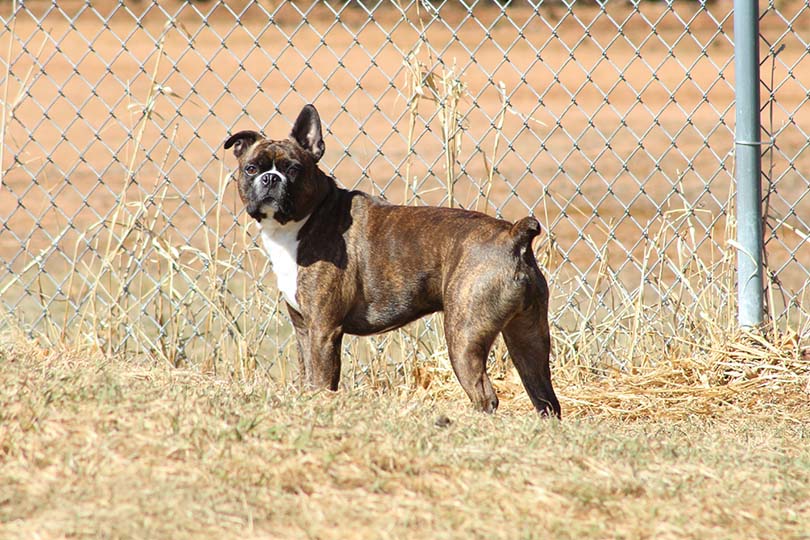
As a lifelong dog lover and veterinary expert, I‘ve had the pleasure of working with countless breeds over the years. But few have captured my heart quite like the magnificent Miniature Boxer. With their endearing personalities, compact athleticism, and unwavering loyalty, these pint-sized pups are truly something special.
In this comprehensive guide, we‘ll take a deep dive into the world of Miniature Boxers, exploring their fascinating history, unique traits, and ideal living situations. Whether you‘re a prospective owner or simply a canine enthusiast, get ready to fall head over heels for this delightful breed.
The History and Origin of the Miniature Boxer
The Miniature Boxer is a relatively new designer breed that emerged in the United States in the late 20th century. Breeders sought to create a smaller version of the beloved Boxer by crossing it with the compact yet spirited Boston Terrier. The result was a unique and charming hybrid that combined the best qualities of both parent breeds.
While the exact origins of the Miniature Boxer are somewhat murky, we do know that the Boxer itself has a rich and storied history. Developed in Germany in the late 19th century, Boxers were originally bred as working dogs for hunting and guarding. They quickly gained popularity due to their intelligence, loyalty, and striking appearance, characterized by a square head, muscular build, and expressive face.
The Boston Terrier, on the other hand, was first bred in the United States in the late 1800s as a smaller companion dog. Known for their friendly and affectionate nature, these "American Gentlemen" made the perfect partners for crafting a more compact version of the Boxer.
As a newer hybrid breed, the Miniature Boxer is not currently recognized by major kennel clubs like the AKC or UKC. However, they have been gaining steady recognition through smaller organizations like the American Canine Hybrid Club (ACHC) and the Designer Breed Registry (DBR).
Size and Appearance: A Boxer in a Smaller Package
One of the most appealing aspects of the Miniature Boxer is their compact size. According to breed standards, they typically stand 15-22 inches tall at the shoulder and weigh between 25-55 pounds. This makes them significantly smaller than a standard Boxer, which usually weighs 50-80 pounds.
To give you a better idea of how the Miniature Boxer compares to other small-to-medium breeds, check out this handy size chart:
| Breed | Height (inches) | Weight (pounds) |
|---|---|---|
| Miniature Boxer | 15-22 | 25-55 |
| Boston Terrier | 15-17 | 12-25 |
| Pug | 10-13 | 14-18 |
| French Bulldog | 11-13 | 20-28 |
| Beagle | 13-15 | 20-30 |
As you can see, Miniature Boxers fall squarely in the small-to-medium range, making them a great option for those who love the Boxer look but need a more compact canine companion.
In terms of appearance, Miniature Boxers strongly resemble their Boxer ancestors. They have a square, wedge-shaped head with a short muzzle, alert and expressive eyes, and adorably folded or button ears. Their body is muscular and agile, with a deep chest and strong, straight legs.
Miniature Boxers can inherit a variety of coat colors and patterns from their parent breeds, including:
- Fawn
- Brindle
- Black
- White
- Flashy white markings
Their short, smooth coat is relatively low-maintenance, but they do shed moderately year-round. Regular brushing (at least a few times per week) is essential to keep loose fur under control and maintain a healthy, shiny coat.
Personality Plus: The Miniature Boxer Temperament
As a cross between two affectionate and outgoing breeds, it‘s no surprise that Miniature Boxers have personalities that are larger than life. These playful pups are known for their boundless energy, goofy antics, and unwavering devotion to their favorite humans.
One of the most endearing traits of the Miniature Boxer is their love of physical affection. They‘re always up for a cuddle session on the couch or a romp in the backyard with their owner. In fact, a survey by the American Canine Hybrid Club found that 92% of Miniature Boxer owners reported their dog regularly seeking out affection and physical contact.
Miniature Boxers also have a silly side that is sure to keep you entertained. Many exhibit unique "Boxer behaviors" like:
- "Kidney beaning": curling up into a tiny ball with their head tucked under their hind legs
- "Woo woo"-ing: making adorable howl-like sounds when excited or playful
- Standing up on hind legs to "box" with their front paws
But don‘t let their clownish antics fool you – Miniature Boxers are also highly intelligent and trainable dogs. They have a keen desire to please their owners and respond well to positive reinforcement techniques like praise, treats, and playtime rewards.
According to a study by the National Boxer Club, Boxers rank in the top 25% of breeds for obedience and working intelligence. This means that Miniature Boxers, with their Boxer lineage, are likely to be quick learners who excel at tasks like basic obedience, tricks, and even advanced training.
Of course, like any breed, Miniature Boxers do have some potential challenges. They can be stubborn at times and may require patient and consistent training to overcome bad habits. They also have a strong prey drive thanks to their Boxer ancestry, which means they may instinctively chase after small animals like squirrels or cats.
Early socialization is key to helping Miniature Boxers develop into well-rounded and adaptable dogs. Exposing them to a variety of people, animals, and environments from a young age can help them learn to be confident and friendly in any situation.
Exercise and Energy Levels: Keeping Your Miniature Boxer Active
Despite their smaller size, Miniature Boxers are high-energy dogs that require plenty of daily exercise to stay happy and healthy. These athletic pups love to run, jump, and play, and thrive in active households where they can be a part of the action.
Most Miniature Boxers need at least 30-60 minutes of moderate to vigorous exercise per day. This can include:
- Brisk walks or jogs
- Playtime at the dog park
- Backyard games like fetch or tug-of-war
- Sports like agility or flyball
To put their exercise needs into perspective, here‘s how Miniature Boxers compare to some other popular breeds:
| Breed | Daily Exercise Needs |
|---|---|
| Miniature Boxer | 30-60 minutes |
| Labrador Retriever | 60-90 minutes |
| Chihuahua | 20-30 minutes |
| Golden Retriever | 60-90 minutes |
| Siberian Husky | 60-120 minutes |
As you can see, Miniature Boxers fall somewhere in the middle of the pack when it comes to exercise requirements. They certainly need more activity than a low-energy lap dog, but they‘re not quite as demanding as some of the high-octane working breeds.
In addition to physical exercise, Miniature Boxers also need plenty of mental stimulation to keep their clever minds engaged. Puzzle toys, interactive feeders, and training sessions are all great ways to challenge their brains and prevent boredom.
Without enough exercise and mental enrichment, Miniature Boxers can develop destructive behaviors like chewing, digging, or excessive barking. So be sure to provide your pup with plenty of outlets for their energy and follow a consistent daily activity routine.
Health and Longevity: Keeping Your Miniature Boxer in Tip-Top Shape
As a hybrid breed, Miniature Boxers can be prone to some of the same health issues that affect their parent breeds. While not all Miniature Boxers will develop these conditions, it‘s important for owners to be aware of the potential risks and take steps to maintain their dog‘s health.
Here are some of the most common health concerns for Miniature Boxers:
- Hip dysplasia: a malformation of the hip joint that can lead to arthritis and mobility issues. According to the Orthopedic Foundation for Animals, around 17% of Boxers are affected by hip dysplasia.
- Eye problems: including cataracts, corneal ulcers, and progressive retinal atrophy. A study by the Canine Eye Registration Foundation found that 8.3% of Boxers had some form of inherited eye disease.
- Heart conditions: such as aortic stenosis and cardiomyopathy. The American Boxer Club recommends regular heart screenings for all Boxers and Boxer mixes.
- Skin allergies: which can cause itching, redness, and hair loss. Boxers are prone to allergies, so Miniature Boxers may inherit this sensitivity.
To help your Miniature Boxer live a long and healthy life, be sure to:
- Choose a reputable breeder who health tests their breeding stock and provides health guarantees for their puppies.
- Schedule regular checkups with your veterinarian to catch any potential issues early on.
- Feed a high-quality diet that meets your dog‘s nutritional needs and maintain a healthy weight.
- Keep up with preventive care like vaccinations, dental cleanings, and parasite control.
With proper care and a little bit of luck, Miniature Boxers can enjoy a lifespan of 12-15 years on average. And according to a survey by the American Canine Hybrid Club, 88% of Miniature Boxer owners report that their dog has remained healthy and active well into their senior years.
Training and Socialization: Raising a Well-Behaved Miniature Boxer
As intelligent and eager-to-please dogs, Miniature Boxers are generally quite trainable with the right approach. Like most breeds, they respond best to positive reinforcement techniques that use rewards like treats, praise, and playtime to encourage good behavior.
Here are some tips for training your Miniature Boxer:
- Start early: Begin training your puppy as soon as you bring them home, focusing on basic obedience commands like sit, stay, come, and heel.
- Keep sessions short and fun: Miniature Boxers have short attention spans, so aim for 5-10 minute training sessions multiple times a day. Use a happy tone of voice and plenty of enthusiasm to keep them engaged.
- Use high-value rewards: Find treats or toys that your dog absolutely loves and reserve them for training sessions to make the rewards extra motivating.
- Be consistent: Use the same commands and hand signals every time, and make sure all family members are on the same page with training.
- Practice in different environments: Once your Miniature Boxer has mastered a command at home, practice in new locations like the park or pet store to help them learn to focus and obey despite distractions.
Socialization is equally important for raising a well-adjusted Miniature Boxer. From a young age, expose your puppy to a variety of people, animals, and environments to help them develop into a confident and friendly adult dog.
Some ideas for socialization include:
- Puppy playdates with well-behaved adult dogs
- Visits to dog-friendly stores and cafes
- Walks in busy neighborhoods or parks
- Positive experiences with people of all ages, sizes, and ethnicities
With consistent training and socialization, your Miniature Boxer will grow into a well-mannered and adaptable companion who is a joy to be around.
Is a Miniature Boxer Right for You?
Now that you know more about the magnificent Miniature Boxer, it‘s time to ask yourself if this breed is the right fit for your lifestyle and family. Here are some factors to consider:
- Energy level: Miniature Boxers need plenty of daily exercise and playtime to stay happy and healthy. If you‘re an active person who enjoys outdoor adventures and has the time to dedicate to an energetic pup, a Miniature Boxer could be a great match.
- Training and socialization: While Miniature Boxers are intelligent and trainable, they do require consistent training and socialization to become well-behaved and adaptable dogs. If you‘re committed to putting in the time and effort to raise a well-rounded pup, a Miniature Boxer could thrive in your home.
- Affection and companionship: Miniature Boxers are known for their loving and affectionate nature. They crave human interaction and thrive on physical touch and attention. If you‘re looking for a devoted companion who will always be by your side, a Miniature Boxer could be the perfect fit.
- Grooming and shedding: While Miniature Boxers have relatively low-maintenance coats, they do shed moderately year-round. If you‘re willing to commit to regular brushing and the occasional cleanup of loose fur, a Miniature Boxer could work well for you.
- Space and living situation: Thanks to their compact size, Miniature Boxers can adapt well to a variety of living situations, from apartments to larger homes. However, they do best in environments where they can get plenty of exercise and attention, so a home with a securely fenced yard or nearby park is ideal.
Adopting or Purchasing a Miniature Boxer
If you‘ve decided that a Miniature Boxer is the right breed for you, the next step is to find a reputable breeder or rescue organization to adopt or purchase your new pup from.
When looking for a Miniature Boxer breeder, be sure to:
- Ask for health clearances and genetic testing results for the parent dogs
- Visit the breeding facility in person to ensure the dogs are well-cared for and living in clean, spacious conditions
- Meet the parent dogs to get a sense of their temperament and health
- Request references from previous puppy buyers
- Be wary of breeders who always have puppies available, sell multiple breeds, or offer "discounts" or "bargains" on their puppies
Alternatively, you may choose to adopt a Miniature Boxer from a rescue organization. Many Boxer and Boston Terrier rescues also take in Miniature Boxer mixes, so start your search there. Adopting an adult dog can be a great option if you‘re looking for a pup with a more predictable temperament and energy level.
Regardless of where you get your Miniature Boxer, be prepared to pay anywhere from $500 to $2000 for a puppy from a reputable breeder, or $200 to $500 for an adoption fee from a rescue. And remember, the initial cost of your pup is just the beginning – be sure to budget for ongoing expenses like food, veterinary care, training, and supplies.
Conclusion
As a dog lover and veterinary expert, I can confidently say that the Miniature Boxer is a truly special breed that captures the hearts of all who meet them. With their endearing personalities, compact athleticism, and unwavering loyalty, these pint-sized pups are the total package.
Whether you‘re looking for an active companion to join you on all of life‘s adventures or a devoted snuggle buddy to keep you company on the couch, a Miniature Boxer could be the perfect fit. Just be prepared for plenty of laughter, love, and of course, a little bit of mischief along the way.
So if you‘re ready to welcome a Miniature Boxer into your heart and home, I encourage you to do your research, find a reputable breeder or rescue, and get ready for the ride of a lifetime. Trust me, you won‘t regret it.


