
Newfoundland Dog Husky Mix: Care, Pictures, Info & More
Introducing the Newfoundland Husky Mix: A Comprehensive Guide for 2024
Are you intrigued by the idea of a majestic giant dog with the striking looks of a wolf? Then allow me to introduce you to the impressive Newfoundland Husky mix! As a veterinarian and lifelong dog lover, I‘ve become captivated by these powerful yet sweet-natured dogs. In this comprehensive guide, I‘ll tell you everything you need to know if you‘re considering opening your heart and home to a "Newsky."
Origins of the Newfoundland Husky Mix
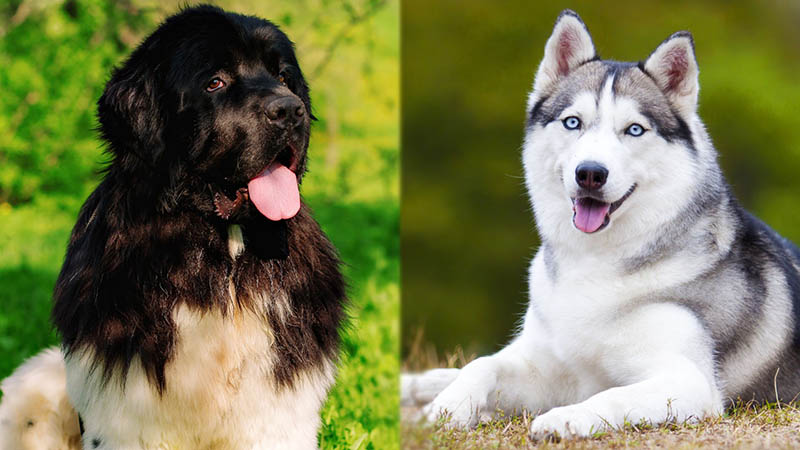
The Newfoundland Husky is a relatively new mixed breed believed to have first been intentionally developed in the 1980s or 90s, although undocumented mixes likely existed before then. As the name suggests, they are a cross between purebred Newfoundlands and Siberian Huskies.
Breeders likely aimed to create a dog with the giant size, strength and tender nature of the Newfoundland combined with the wolfish good looks, athleticism and outgoing personality of the Husky. The result is a eye-catching dog that turns heads and pulls at heartstrings.
While Newfoundland Husky mixes are growing in popularity, they remain a rare cross. Most litters are first generation mixes between purebred parents as opposed to multi-generational crosses. Some breeders are working to refine the mix into a more consistent breed.
Physical Characteristics of Newfoundland Husky Mixes
As with any mixed breed, the appearance of Newfoundland Husky mixes can vary quite a bit. They may tend to favor one parent breed or the other, or have any combination of physical traits. In general though, here‘s what you can expect:
Size: Newskys are large to giant in size thanks to their Newfoundland heritage. Most stand 24-28 inches tall at the shoulder and weigh 70-120 pounds or more, with males typically larger than females. Some may be more Husky-sized in the 50-60 pound range.
Coat: These mixes inherit the thick, dense double coats of both parent breeds, designed to withstand harsh cold climates. The outer coat is medium-length, straight and slightly harsh in texture. The soft, fluffy undercoat provides insulation. Shedding is usually heavy year-round with heavier "blows" once or twice a year as the undercoat sheds out.
Colors: Black, white, gray and brown are the most common colors, often with markings and patterns similar to Huskies. Some may be solid-colored like Newfoundlands. Blue or multi-colored eyes are possible.
Head and Face: Heads tend to be broad with a slightly tapered muzzle of medium length. Ears are usually upright like a Husky‘s but can also be dropped like a Newfie‘s. Eyes are medium-sized and almond-shaped. Some may inherit the jowls and drooling tendency of the Newfoundland.
Body: Newskies have sturdy, muscular and powerful bodies, deep chests, and strong limbs built for work and activity. Tails are long and often carried in a "sickle" curve like a Husky‘s.
Dr. Linda Simon, a veterinary surgeon and consultant for FiveBarks, describes Newfoundland Husky mixes as "striking animals that command attention wherever they go. They have the imposing size of a giant breed with the regal bearing of a wild wolf, yet a twinkle in their eye that hints at friendliness and good humor."
Temperament and Personality
The ideal Newfoundland Husky mix blends the best traits of both parent breeds: the gentle, patient and devoted nature of the Newfoundland with the curious, clever and charismatic personality of the Siberian Husky.
Most Newskys are good-natured, people-oriented dogs that bond deeply with their families. They tend to be gentle with children and agreeable with other dogs when properly socialized. While some can be aloof or wary of strangers like Newfoundlands, most are quite friendly and outgoing like Huskies.
As high-energy working breeds, both Newfies and Huskies are intelligent dogs that need jobs to do. Newskys require plenty of physical and mental exercise to stay happy and out of trouble. They excel at canine sports like carting, weight pulling, and recreational sledding.
The independent, mischievous streak of the Husky can make Newskys somewhat challenging to train. Positive reinforcement with treats and praise works best. They may not be an ideal choice for first-time dog owners.
"Newskies are big, goofy balls of fluff and love," says Anna Wagner, a Newfoundland Husky mix owner in Colorado. "My boy keeps me laughing with his antics and snuggles up as my 120-pound lapdog at the end of the day. He needs a ton of exercise, but it‘s worth it for such a wonderful companion."
Exercise, Training and Socialization
As mentioned, Newfoundland Husky mixes are energetic dogs that require ample daily exercise to thrive. A minimum of 60-90 minutes per day broken up into multiple sessions is a good baseline.
In addition to long walks and play sessions, Newskies do best when they have a fenced yard where they can run and explore (and have secure shelter from the elements). Puzzle toys and food-dispensing gadgets are great for providing the mental exercise these clever canines need.
Early socialization and consistent positive training are musts for this large, powerful mix. Instill good leash manners from an early age and safely expose your Newsky puppy to many different people, animals and environments to build a friendly, confident dog. Group obedience classes are highly recommended.
While Newskies can adapt to various living situations in the hands of experienced owners, they are best suited for homes with reasonably active lifestyles and access to outdoor space. They may not be an ideal choice for small apartments or novice owners.
Grooming Your Newfoundland Husky Mix
With great fluff comes great grooming responsibility! Newfoundland Huskies have thick double coats that require regular brushing to prevent matting and remove loose fur.
Brush your Newsky at least 2-3 times per week, daily during heavy shedding seasons. A sturdy undercoat rake, pin brush and slicker brush are must-have tools. Your vacuum cleaner will also see a lot of action!
Bathe your Newfoundland Husky mix every 4-8 weeks or as needed with a gentle, moisturizing shampoo. Take care to rinse thoroughly as the dense coat can trap soap residue.
Other grooming needs include regular nail trims, ear cleaning, and tooth brushing. Accustom your Newsky to being handled for grooming from puppyhood to make care easier on you both.
"Be prepared for dog hair to become a constant presence in your life," notes professional groomer Jorge Bendersky. "The good news is that Newfoundland Husky coats tend to be fairly low-odor and dirt-repellent. Stay on top of brushing and your dog will look and feel great."
Potential Health Concerns
Like their parent breeds, Newfoundland Husky mixes can potentially face certain health issues. Responsible breeders screen for genetic problems in the parents to reduce risks, but it‘s still important for owners to be aware of potential concerns such as:
- Hip and elbow dysplasia
- Eye problems like cherry eye and progressive retinal atrophy
- Heart conditions like subvalvular aortic stenosis
- Thyroid disorders
- Bloat (gastric torsion)
Work with your veterinarian on a preventative care plan, including regular exams, dental cleanings, parasite control, and vaccinations. Keeping your Newsky at a healthy weight and providing joint supplements may help protect their bones and joints.
Life span is typically in the 8-12 year range, although some may live into their early teens with excellent care.
Feeding Your Newfoundland Husky Mix
As a large breed dog with an active lifestyle, your Newfoundland Husky will need a nutritious, calorie-dense diet to fuel their daily adventures. Look for a high-quality dry food formulated for large breeds, with animal protein as the first ingredient.
Adults typically need 3-4 cups of kibble per day divided into 2 meals, but portions vary based on age, weight, and activity level. Avoid over-feeding to prevent obesity. Feel your dog‘s ribs – you should be able to feel them beneath a thin layer of fat.
The cost of feeding a giant dog can add up, so be sure your budget can accommodate those big bags of kibble! Remember that high-quality food is cheaper than vet bills from nutritional deficiencies down the line.
Final Thoughts
The Newfoundland Husky mix is a impressive breed that‘s not for everyone, but can be immensely rewarding for the right owner. If you‘re willing to put in the time and effort required for training, socialization and exercise, you‘ll be blessed with a majestic gentle giant who‘s endlessly devoted to you.
When searching for a Newsky puppy, look for a responsible breeder who performs genetic health testing on the parents and provides health guarantees. Avoid pet stores and online ads that may be fronts for puppy mills. Adopting an adult dog from a breed-specific rescue is another great option.
By learning all you can about this unique mixed breed and preparing yourself to meet their needs, you‘ll set the stage for a wonderful friendship with an unforgettable canine character. Here‘s to the magnificent Newfoundland Husky mix – long may they steal our hearts!


