German Wirehaired Pointer Dog Breed: Info, Pictures, Care & More
An Expertís Guide to German Wirehaired Pointer Puppies
Hello fellow dog lover! If youíre considering adding an energetic, intelligent hunting companion to your family, a German Wirehaired Pointer (GWP) puppy may be the perfect fit. As a veterinarian and lifelong admirer of this distinctive breed, Iím excited to share my knowledge and help you decide if a GWP is right for you. Letís dive into what makes these dogs so special and everything youíll need to know about raising a GWP puppy.
Breed Overview
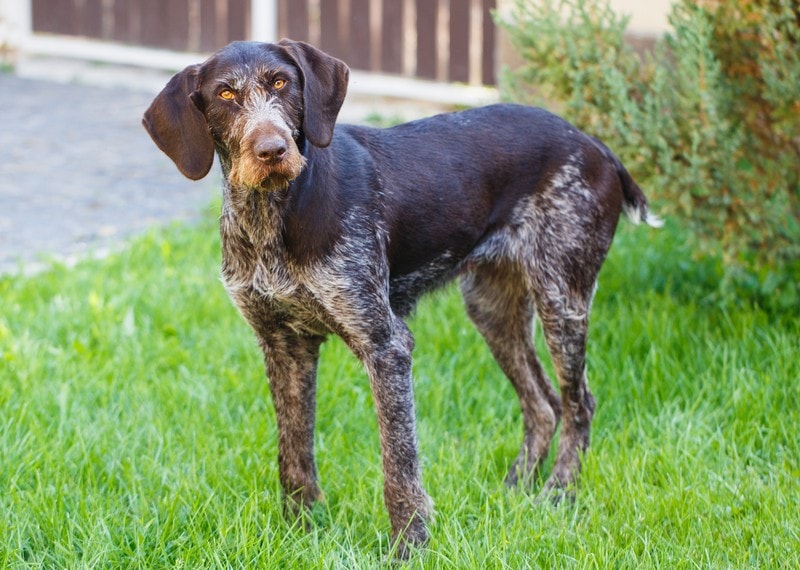
German Wirehaired Pointers are sturdy, medium-to-large sized pointing dogs developed in Germany in the late 1800s. Bred to be an all-purpose gun dog capable of hunting a variety of game on any terrain, their most distinguishing feature is a short, wiry coat that protects them from rough underbrush and harsh weather. The wirelike coat comes in liver and white or solid liver.
GWPs have strong, athletic builds with males standing 24-26 inches and females 22-24 inches at the shoulder. Males typically weigh 60-70 pounds and females 50-60 pounds. With their keen nose and Úlan for fieldwork, they make outstanding pointers and retrievers on both land and water thanks to webbed feet. This is an extremely intelligent, driven breed with impressive stamina and energy.
History
When German hunters and dog fanciers set out to create the ideal versatile gun dog in the 1800s, they crossed Pointers, Foxhounds, and Poodles with various German pointing and scent hound breeds. The result was theGerman Wirehaired Pointer or Deutsch Drahthaar – a dog capable of pointing and retrieving game, tracking wounded animals, and serving as a watchful companion. The breed was refined and perfected in the late 1800s and remains a popular choice for hunters in Germany and beyond today. GWPs were first brought to America in the 1920s and were officially recognized by the AKC in 1959.
Temperament
GWPs are known for being alert, enthusiastic, affectionate, and loyal. These are dogs that live to work and are happiest when they have a job to do, whether itís hunting, competing in dog sports, or going on long hikes with their owners. They can be independent thinkers but are very trainable and people-oriented.
German wirehairs tend to be aloof with strangers and have strong guarding instincts, so socialization is a must. With their families, however, they are loving, playful goofballs and generally do well with kids if raised together. Some can be aggressive with strange dogs, especially those of the same sex. Their strong prey drive means GWPs are often not trustworthy with cats and should never be left unsupervised with smaller pets.
While not ideal for apartment life, GWPs are fairly adaptable when given ample daily exercise. They love having a yard to run around in. Without enough physical and mental activity, they can become destructive or develop problem behaviors like excessive barking. This is a breed that thrives being included in an active ownerís daily life and outdoor adventures.
Bringing Home a GWP Puppy
So youíve decided that a German Wirehaired Pointer puppy would be a great fit for your lifestyle – congratulations! These intelligent, high-energy dogs are a joy to raise and train. But before you bring that cute bundle of wirehaired fur home, there are some important things to consider:
Finding a responsible breeder:
GWPs have grown in popularity but are still fairly uncommon compared to retrievers and other pointing breeds. Expect to be put on a waiting list with reputable breeders – a good thing, as it shows they are committed to placing pups in the right homes. Avoid pet stores, online sellers, or anyone offering a puppy without allowing you to see the parents and facilities.
Look for a breeder who does health testing on breeding stock, provides health guarantees for puppies, and begins socialization before sending pups to their new homes at 8-12 weeks old. Both the Verein Deutsch Drahthaar/Group North America and the German Wirehaired Pointer Club of America are great resources for finding a quality GWP breeder.
Preparing your home:
Energetic GWP puppies are curious explorers that can easily get into trouble, so youíll need to do some puppy-proofing. Pick up anything youídonít want chewed on, block off stairs and rooms the pup shouldnít access, secure cabinets and trash cans, and remove toxic houseplants and chemicals.
Youíll also need to stock up on puppy essentials like:
- Appropriately sized crate for training and sleeping
- Food and water bowls
- Collar with ID tags and a 4-6 foot leash
- PUPPY food (your breeder will recommend a brand)
- Variety of tough chew toys like Kongs and Nylabones
- Soft, washable bedding
- Puppy-safe grooming supplies
- Baby gates
Even if youíll be training your pup to sleep in a crate, setting up a confinement area with puppy pads or old towels is helpful for the first few weeks as your pup gradually develops bladder control. Puppies need to go out frequently!
Puppy development and training:
GWP puppies go through the same development stages as other breeds. After coming home at 8-12 weeks, pups enter a fear period around 8-11 weeks. Socialization is critical but keep things positive with lots of treats and let your pup set the pace with new experiences.
Basic training can begin as soon as your puppy arrives. Keep sessions short and fun, focusing on teaching your pup name recognition, simple commands like sit and down, walking on leash without pulling, and of course house training. GWPs are smart and eager to please, so they typically catch on fast with consistent training.
Your GWP puppy will be teething until around 6 months old. Provide plenty of chew toys and expect some nipping – stay calm, stop play when your pup bites too hard, and redirect them to a toy. The puppy fear period will pop up again around 6-14 months as your pup matures.
Adolescence is also when your GWPís energy level really kicks into high gear. In addition to at least two 30+ minute exercise sessions per day (on top of training time and mental enrichment), many GWPs enjoy and excel at dog sports like dock diving, scent work, rally, and more.
Though a well-bred GWP puppy should have a friendly, stable temperament, genetics are only part of the equation – diligent socialization is essential for raising a well-adjusted dog. Safely expose your pup to all sorts of people, animals, places, and experiences. Puppy classes are a great way to boost your pupís confidence and get training help.
Health and grooming:
German Wirehaired Pointers are generally healthy, long-lived dogs with an average lifespan of 12-14 years. Responsible breeders screen for hip and elbow dysplasia, eye disorders, heart conditions, and autoimmune thyroiditis. Bloat and torsion can also occur in the breed, so talk to your vet about preventive measures.
As far as grooming, that wiry coat is fairly low-maintenance. Weekly brushing and the occasional bath is usually sufficient, though hand-stripping a few times a year helps remove dead hair. Check and clean your pupís ears regularly, and trim nails every few weeks. Brushing your pupís teeth daily is also a smart habit.
GWP puppies are notorious for having sensitive tummies and may need a special diet at first. Your breeder and vet can advise you on the best puppy food. To avoid orthopedic problems, donít let your pup jump on/off furniture and go easy on stairs while theyíre growing. Donít over-exercise your puppy – the rule of thumb is 5 minutes per month of age, twice a day. So a 4 month old would get two 20 minute sessions.
Final Thoughts
German Wirehaired Pointers are incredible dogs for the right person or family. Loyal, affectionate, tireless in the field or on the trail – itís no wonder the breed has gained popularity in recent decades beyond the hunting and dog sport worlds. If you can keep up with their exercise needs, GWPs make wonderful companions.
That said, a GWP puppy is a big commitment. These dogs need more than just a quick walk around the block – be prepared to dedicate significant time to training, socialization, and enrichment on top of those long hikes, jogs, and play sessions. A bored GWP will make their own fun, usually involving some destructive redecorating of your home and yard!
With their independent, spirited nature, GWP puppies are not ideal for novice owners. Prior dog experience, especially with sporting or working breeds, is highly recommended before taking on one of these intense but immensely rewarding dogs. If youíre up for an active lifestyle with a devoted, hard-working dog by your side, a German Wirehaired Pointer puppy may just be your perfect match.
I hope this guide has given you a comprehensive overview of what to expect when adding a GWP puppy to your life. If you have any other questions, feel free to ask – Iím always happy to talk dogs! Wishing you all the best on your puppy search and the start of many exciting adventures with your new wirehaired companion.