Giant Schnauzer: The Ultimate Guide to This Majestic Breed
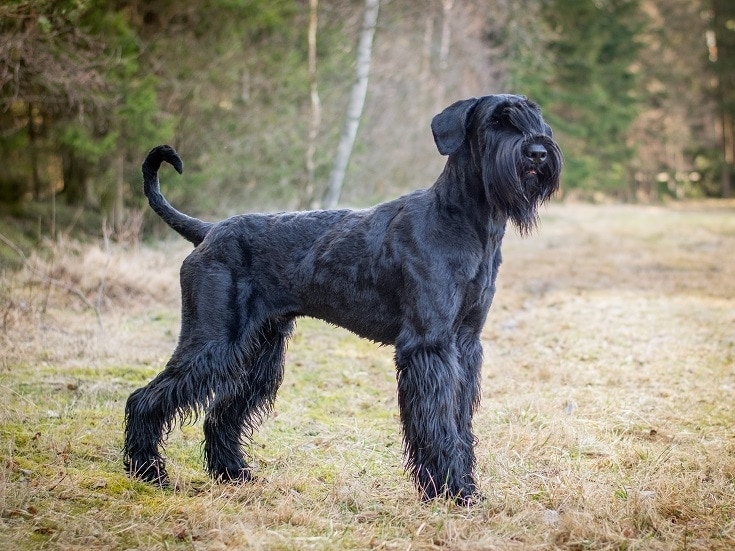

Are you looking for a large, loyal and protective companion? Look no further than the Giant Schnauzer! This impressive breed has a long history of serving as a working dog and guardian. With their striking appearance and devoted nature, Giant Schnauzers make wonderful pets for experienced owners who can give them the training and attention they need.
In this comprehensive guide, we‘ll dive into everything you need to know about Giant Schnauzers, including their origin, physical characteristics, personality, care requirements, and more. By the end, you‘ll have a thorough understanding of whether this majestic breed is the right fit for you and your family. Let‘s get started!
History and Origin of the Giant Schnauzer
The Giant Schnauzer is a relatively new breed that was developed in Germany in the late 19th century. As the largest of the three Schnauzer varieties (Miniature, Standard, and Giant), they were originally bred to serve as versatile working dogs.
According to the American Kennel Club, the first Giant Schnauzers were likely a cross between the Standard Schnauzer and larger, smooth-coated breeds like the Great Dane or Bouvier des Flandres. The goal was to create a bigger, more powerful dog that could work on farms driving livestock to market and guarding the farmer‘s property.
During the World Wars, Giant Schnauzers served as military dogs, messenger dogs, and Red Cross dogs. Their courage, intelligence, and dependability made them well-suited for these important roles.
Although still fairly rare compared to more popular breeds, the Giant Schnauzer was recognized by the AKC in 1930 and has gained a devoted following among those who appreciate their strength, loyalty and noble bearing. Today, they excel not only as guard dogs and police K-9s, but also as loving family companions.
Physical Characteristics
One of the first things you‘ll notice about a Giant Schnauzer is their commanding presence. Here‘s an overview of their key physical traits:
Size: Giant Schnauzers are a large, muscular breed. Males typically stand 25.5 to 27.5 inches tall at the shoulder and weigh 60 to 85 pounds. Females are slightly smaller at 23.5 to 25.5 inches tall and 55 to 75 pounds.
Coat: The Giant Schnauzer has a dense, wiry double coat that is weather resistant. The outer coat is harsh and thick, while the undercoat is soft. Grooming them to maintain a neat appearance requires regular brushing, combing, and trimming or hand-stripping about every 4-6 weeks.
Colors: Giant Schnauzers come in two color varieties: solid black and a "pepper and salt" pattern that is a mix of black and white hairs. The pepper and salt coloring can range from dark gray to light silver.
Head and Face: One of the breed‘s most distinctive features is their head, with a long, rectangular muzzle, bushy beard and eyebrows, and alert, forward-facing ears that are often cropped to stand erect. Their dark brown oval eyes have an intelligent, spirited expression.
Body: Giant Schnauzers have a square-proportioned, sturdy and substantial build. They are elegant yet powerful, with a deep chest, straight strong back, muscular hindquarters, and a moderately long tail that is usually docked.
Personality and Temperament
Giant Schnauzers are known for being confident, alert, and fearless. As a working breed, they have strong guarding instincts and are naturally suspicious of strangers. With their loved ones, they are extremely devoted, affectionate and protective.
Some key personality traits of Giant Schnauzers include:
-
Intelligence: Giant Schnauzers are highly trainable thanks to their smarts, but they can also have an independent streak. They need an owner who can assertively establish themselves as the leader.
-
Loyalty: This breed bonds very closely with their family and will defend them with their life. They can be aloof or territorial with unfamiliar people and dogs if not properly socialized.
-
Alertness: Always vigilant, Giant Schnauzers make excellent watchdogs. Expect them to bark to alert you of any potential threats. Lots of early socialization is important so they can learn what is normal vs. truly dangerous.
-
Playfulness: While serious about their guarding duties, Giant Schnauzers also have a silly side, especially as puppies. They are energetic and enjoy romping, chasing balls, playing tug, and more.
-
Gentleness: This breed tends to be very gentle and patient with children in their family, watching over them carefully. That said, their large size means playtime should still be supervised.
Overall, the ideal Giant Schnauzer temperament is even-keeled, courageous and composed. They are a steady guardian rather than nervous or high-strung. Any aggression should be channeled into appropriate protection, never unwarranted attacks.
Training and Exercise Needs
As a large, intelligent working breed, Giant Schnauzers require plenty of both physical exercise and mental stimulation to thrive. Aim for a minimum of 60-90 minutes per day of activity, broken up into a couple sessions. This could include:
- Long walks, jogs or hikes
- High-energy games like fetch
- Swimming (many love the water)
- Dog sports such as agility, tracking, herding, carting
- Puzzles and interactive toys
- Training sessions practicing various commands
Speaking of training, Giant Schnauzers need an experienced owner who will put in the time and effort to properly train and socialize them starting from puppyhood. Establishing trust and clear communication is key. Positive reinforcement methods tend to work best.
Some training tips for Giant Schnauzers:
- Start socialization early, introducing them to many different people, animals, places and situations
- Use reward-based training with treats, praise and favorite toys
- Be patient yet firm and consistent with rules
- Keep sessions short and fun to hold their attention
- Practice commands in various settings with distractions
- Consider joining an obedience class or working with a professional trainer
With the right training and leadership, Giant Schnauzers can be very well-mannered companions. But without guidance, their dominant tendencies may lead to stubbornness and behavioral issues. A bored Giant Schnauzer is prone to destructive habits like digging, chewing and excessive barking.
Grooming and Care
Despite their dense double coat, Giant Schnauzers are considered a relatively low-shedding breed. They do require regular grooming to keep their iconic bearded look neat and tidy. Here‘s a basic grooming routine:
- Brush several times per week with a slicker brush or pin brush to remove any tangles or debris
- Comb the longer furnishings on the legs, belly and face a few times a week
- Bathe every 4-8 weeks or as needed with a gentle dog shampoo; be sure to dry thoroughly
- Trim or hand-strip the coat every 4-6 weeks to maintain the wiry texture; many owners opt to have this done by a professional groomer
- Check and clean the ears weekly to prevent infections
- Trim the nails every 2-3 weeks or as needed
- Brush the teeth daily for good oral hygiene
Besides grooming, Giant Schnauzers have a few other care requirements to keep in mind:
- Feed a high-quality large breed dog food; limit treats and people food to avoid weight gain
- Provide fresh water at all times
- Give them a comfortable, supportive bed big enough for their large frame
- Rotate a variety of safe, durable chew toys
- Visit the vet annually for exams, vaccines, and preventative care
- Consider pet insurance to help manage any health costs
Potential Health Problems
Although generally a healthy breed with a lifespan of 10-12 years, Giant Schnauzers are prone to certain genetic health conditions. The most common potential issues include:
- Hip and elbow dysplasia
- Eye problems like cataracts, glaucoma or retinal dysplasia
- Thyroid disorders
- Autoimmune diseases
- Bloat (gastric torsion)
- Certain cancers like melanoma
To minimize the risk of inherited health problems, choose a puppy from a reputable breeder who screens their breeding dogs for genetic issues. Keeping your Giant Schnauzer at a healthy weight, feeding an appropriate diet, staying up-to-date on preventative care, and getting prompt vet treatment for any issues will also help them live their healthiest life.
Is a Giant Schnauzer Right For You?
Now that you have a comprehensive understanding of Giant Schnauzers‘ traits and needs, here are some questions to ask yourself if you‘re considering adding one to your family:
- Do I have experience training and owning a large, dominant breed?
- Am I prepared to be a firm yet fair leader and put in the time to train and socialize them properly?
- Can I give them at least an hour of exercise and interaction per day?
- Will I enjoy keeping up with their grooming needs?
- Do I have a securely fenced yard for them to patrol and play in?
- If I have kids, are they respectful of dogs and able to handle a large breed?
- Can I afford the costs of feeding and caring for a giant breed?
If you answered "yes" to most of these questions, a Giant Schnauzer could be an excellent fit for your life. These powerful yet devoted dogs thrive with owners who can give them the guidance, exercise and affection they crave. In return, you‘ll have an unwaveringly loyal, protective and majestic companion for life!
While they‘re not for everyone, Giant Schnauzers are truly a special breed. With their strength, smarts and spirit, it‘s no wonder they‘ve captured the hearts of so many owners over the decades. Could you be next to fall in love with a gentle Giant?