
Shepadoodle (German Shepherd & Poodle Mix): Pictures, Guide, Info & Care!

An Affectionate, Intelligent Hybrid Breed: Your Guide to the Shepadoodle
Introduction
Are you looking for a loyal, smart and active canine companion? The Shepadoodle, a cross between a German Shepherd and Standard Poodle, may be the perfect fit for your family. In this comprehensive guide, we‘ll dive into the appearance, temperament, training and care requirements of this magnificent mixed breed. By the end, you‘ll have a solid understanding of whether the Shepadoodle is the right dog for your lifestyle.
History of the Shepadoodle
The Shepadoodle is a relatively new hybrid, likely first intentionally bred in the 1980s or 90s as demand for so-called "designer dogs" grew. The goal was to create an intelligent, protective family pet with the low-shedding coat of a Poodle. While still rare compared to purebreds, Shepadoodles have been growing in popularity over the past few decades as more people discover their winning combination of traits.
Physical Characteristics
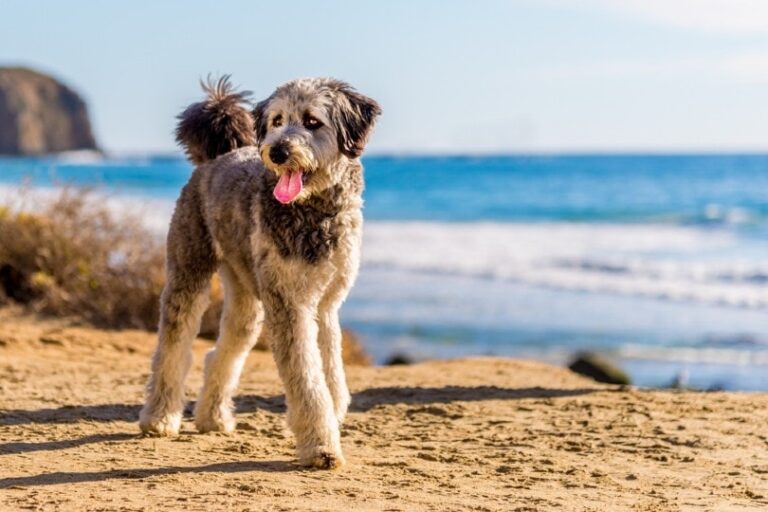
Since the Shepadoodle is a mix of two breeds, their appearance can vary quite a bit. Most weigh between 50 to 90 pounds and stand 22 to 28 inches tall at the shoulder, with males typically being larger than females. Their coat may be curly like a Poodle or longer and wavier like a German Shepherd. Colors include black, grey, white, tan, and brown.
Shepadoodle Temperament
Shepadoodles are known for being extremely intelligent, loyal and affectionate with their family. They bond closely to their owners and need to live indoors as part of the family. Most are good with children when raised with them. They have medium to high energy levels and crave human interaction.
The protective instincts of the German Shepherd are often evident to some degree in Shepadoodles. They tend to be reserved with strangers and make excellent watchdogs. Early and ongoing socialization is a must to teach them what is a true threat. Well-socialized Shepadoodles should be friendly and accepting of visitors.
Training Your Shepadoodle
The good news is that Shepadoodles are typically very easy to train. They are intelligent and eager to please, excelling at obedience, tricks and even advanced training. Start training early and be consistent with positive reinforcement methods. Keep sessions fun and upbeat. Shepadoodles need a firm but kind leader.
Due to their smarts, Shepadoodles can get bored easily and will create their own fun if left to their own devices. Puzzle toys, busy bones, interactive games, and rotating out their toys can help keep them out of trouble. They thrive when they have a "job" to do, even if it‘s just fetching the paper or carrying a backpack on walks.
Exercise Needs
As with most intelligent working breeds, Shepadoodles need daily physical exercise to stay happy and healthy. Expect to provide at least an hour of active play time, whether it‘s a hike, jog, trip to the dog park, or a long walk coupled with training practice or brain games. Having a securely fenced yard for them to romp in is also ideal.
Many Shepadoodles excel at canine sports like agility, rally obedience, flyball, Frisbee, and more. Consider getting involved in one of these activities to give your dog a fun job. Even if you don‘t compete, practicing at home is very mentally tiring for dogs, which is equally important to physical exercise.
Grooming Requirements
Shepadoodles usually have medium to high grooming needs, although it depends on the individual coat type. Expect to brush thoroughly a few times per week to prevent any mats or tangles from forming. Regular nail trims and ear cleaning are also important. Those with a longer, fluffier coat may need professional grooming every 2-3 months.
While many Shepadoodles shed less than a German Shepherd, they are not hypoallergenic. The amount of shedding will vary. Oftentimes, puppies will have one coat texture but it changes after they go through their adolescent coat change. So just because a puppy appears more Poodle-like doesn‘t mean they‘ll stay that way.
Feeding a Shepadoodle
A high quality, nutritionally balanced dog food is important for any dog, and Shepadoodles are no exception. Follow the package guidelines for how much to feed based on your dog‘s weight and adjust as needed to maintain a healthy body condition. Avoid free-feeding to minimize the risk of obesity.
Since this is a breed prone to gastric dilatation volvulus (bloat), it‘s best to divide meals into two or three feedings per day rather than one large meal. Discourage vigorous exercise or play immediately before or after meals. Puppies should eat a large breed puppy formula to support proper growth.
Shepadoodle Health
As a hybrid breed, Shepadoodles may be less likely to develop genetic disorders common in their parent breeds. However, there are still some health issues to be aware of, including:
- Hip and elbow dysplasia
- Eye disorders like progressive retinal atrophy
- Autoimmune thyroiditis
- Von Willebrand‘s disease
- Bloat (gastric torsion)
- Epilepsy
Choosing a reputable breeder who health tests both parents is important to stack the odds in your favor of getting a healthy pup. Lifespans average 12-14 years, although some may live to 15 or 16 with great care.
Is a Shepadoodle Right For You?
Shepadoodles can make amazing companions for the right person or family. They are best suited for homes where someone is around often, as they don‘t do well left alone for long periods. Providing plenty of exercise, training and interaction is key to keeping these intelligent dogs happy.
If you want a loyal, loving and trainable pet who will be a treasured member of the family, a Shepadoodle may be an excellent choice. Their goofy, playful and affectionate nature is sure to brighten your life. Just be prepared to put in the time and effort to giving them the physical and mental stimulation they need.
With the proper care and commitment, you‘ll be rewarded with an incredible canine best friend who may even outsmart you at times! The bond you‘ll share with your Shepadoodle will be unlike any other.



:%20Pictures,%20Guide,%20Info%20&%20Care!)