How Long Do Bull Terriers Live? A Guide to Lifespan and Longevity
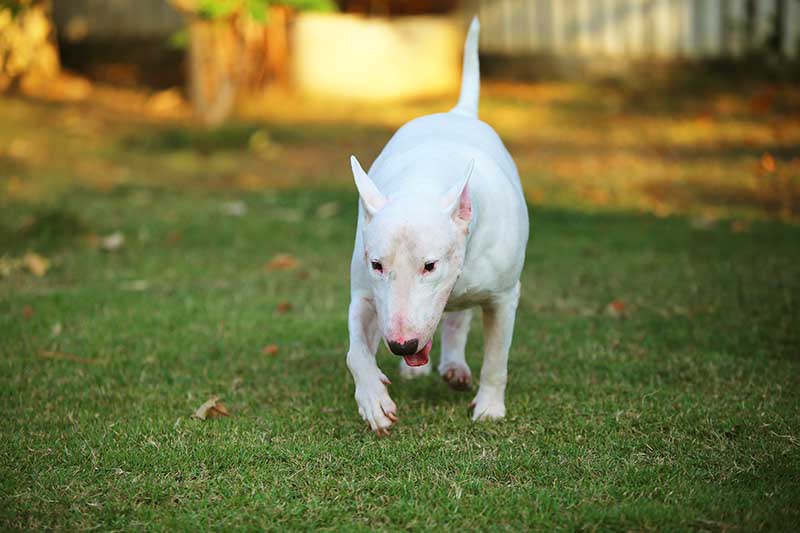
As a bull terrier lover, I know that one of the first questions prospective owners ask is, "How long do they live?" It‘s a natural concern – we want as many happy, healthy years with our loyal companions as possible. While no one can predict exactly how long an individual dog will live, understanding the factors that influence bull terrier lifespan can help you give your furry friend the best shot at a long, fulfilling life.
Bull Terrier Lifespan: The Numbers
According to a 2010 survey by the Kennel Club in the UK, the median lifespan for bull terriers is 10 years, with a range of 9-14 years. However, more recent data from a 2022 study in the Journal of Veterinary Medicine shows a slightly higher average lifespan of 12.5 years. Miniature bull terriers tend to live a bit longer, with an average lifespan of 13-15 years.
To put this in perspective, here‘s how bull terrier lifespans compare to similar breeds:
| Breed | Average Lifespan |
|---|---|
| Bull Terrier | 12.5 years |
| Miniature Bull Terrier | 13-15 years |
| Staffordshire Bull Terrier | 12-14 years |
| American Staffordshire Terrier | 12-16 years |
| American Pit Bull Terrier | 12-14 years |
| Boxer | 10-12 years |
Data from AKC, UKC, and various breed health surveys.
As you can see, bull terriers fall in the middle of the pack for medium-sized breeds. However, these are just averages – many bull terriers live well into their teens with proper care.
Dr. Judy Morgan, a holistic veterinarian and author, says, "I‘ve seen bull terriers thrive into their late teens when owners are committed to their health. Genetics set the foundation, but diet, exercise, and preventive care make a huge difference in how long a dog lives."
Factors That Impact Bull Terrier Lifespan
So what can you do to help your bull terrier beat the odds and live a longer, healthier life? It starts with understanding the key factors that influence lifespan:
1. Genetics
A dog‘s genes are the blueprint for health and longevity. Bull terriers are prone to certain inherited health issues, such as heart disease, kidney problems, and orthopedic disorders, that can shorten lifespan if not properly managed.
Responsible bull terrier breeders use genetic tests, such as those offered by the Orthopedic Foundation for Animals (OFA), to screen for these conditions and produce healthier puppies. Getting your bull terrier from a reputable breeder who prioritizes health can stack the deck in your favor.
2. Diet
You are what you eat – and the same goes for your bull terrier! Feeding a high-quality, balanced diet formulated for your dog‘s age and activity level supports overall health and longevity.
Dr. Karen Becker, a proactive and integrative wellness veterinarian, recommends a fresh, whole food diet for optimal health. "Processed kibble is often lacking in key nutrients and can contribute to chronic inflammation, a root cause of many diseases that shorten lifespan. A fresh diet of real meat and veggies is best for long-term vitality."
3. Weight Management
Keeping your bull terrier lean and fit is one of the most impactful things you can do to extend their life. Obesity is linked to a host of health problems in dogs, including joint pain, diabetes, and cardiovascular disease.
A 2019 study in the Journal of Veterinary Internal Medicine found that dogs maintained at an ideal body condition throughout life had a median lifespan 15% longer than their overweight counterparts. Feed measured meals, limit treats, and monitor your bull terrier‘s body condition to keep them at a healthy weight.
4. Exercise
As an athletic breed, bull terriers need plenty of exercise to stay physically and mentally fit. Regular activity supports healthy muscles, joints, and cardiovascular function, which are essential for a long life.
Aim for at least 30-60 minutes of moderate to vigorous exercise per day, such as brisk walks, running, fetch, or agility training. Puzzle toys and interactive play provide mental stimulation, which is just as important for overall health and longevity.
5. Preventive Care
Staying on top of preventive care is key to catching health issues early, when they‘re most treatable. This includes:
- Regular vet check-ups (every 6-12 months)
- Dental care (brushing, professional cleaning)
- Parasite prevention (fleas, ticks, heartworms)
- Vaccinations
- Spaying/neutering
A 2019 analysis by Banfield Pet Hospital found that dogs who received preventive care lived an average of 1-2 years longer than those who didn‘t. Work with your vet to create a personalized care plan for your bull terrier based on their age, health status, and lifestyle.
6. Stress Management
Chronic stress takes a toll on the body and mind, shortening lifespan in both humans and dogs. As a devoted bull terrier owner, creating a low-stress environment can help your dog live longer.
Some simple stress-busters include:
- Providing a predictable daily routine
- Using positive reinforcement training
- Giving ample exercise and mental stimulation
- Offering a safe space, like a crate or bed
- Using calming aids like pheromone diffusers
- Minimizing triggers like loud noises or isolation
Dr. Jennifer Coates, veterinary advisor for petMD, says, "Stress reduction is an overlooked factor in canine longevity. Dogs who feel safe, secure, and enriched are more likely to live longer, healthier lives."
Health Issues That Impact Bull Terrier Lifespan
Even with the best care, bull terriers are predisposed to certain health conditions that can affect lifespan. Some of the most common include:
1. Heart Disease
Bull terriers are prone to heart conditions such as aortic stenosis and dilated cardiomyopathy. Regular vet check-ups and early intervention can help manage these issues and extend lifespan.
2. Kidney Disease
Juvenile nephropathy is an inherited kidney disorder that often strikes bull terriers before age 2. Affected dogs rarely live beyond 3-4 years. DNA testing and urine screening can help detect the disease early.
3. Neurological Disorders
Deafness, seizures, and compulsive behaviors like tail chasing are more common in bull terriers than other breeds. Working with a veterinary behaviorist can help manage these issues and improve quality of life.
4. Skin Problems
Allergies, demodectic mange, and skin infections are common in bull terriers, causing itching, hair loss, and secondary infections. Regular grooming, a balanced diet, and vet-prescribed treatments can keep skin problems under control.
5. Orthopedic Issues
Like many medium to large breeds, bull terriers are prone to hip dysplasia, patellar luxation, and cruciate ligament tears. Keeping your dog lean, providing joint supplements, and avoiding high-impact exercise on hard surfaces can help protect their joints.
6. Cancer
Mast cell tumors, lymphoma, and osteosarcoma are some of the most common cancers seen in bull terriers. Knowing the signs, such as lumps, weight loss, or lethargy, and seeking prompt veterinary care can improve prognosis.
While these health issues can be daunting, early detection and proper management can significantly improve quality and quantity of life. Work closely with your veterinarian to create a personalized prevention and treatment plan for your bull terrier.
Bull Terrier Life Stages and Care Needs
As your bull terrier ages, their care needs will evolve. Understanding the different life stages can help you provide the best care from puppy to senior.
Puppyhood (0-1 year)
Bull terrier puppies need a diet formulated for growth, regular socialization, and positive training. Avoid over-exercising to protect growing joints, and keep vaccines and preventatives up to date.
Adulthood (1-7 years)
Adult bull terriers thrive on a balanced maintenance diet, plenty of exercise, and regular vet care. Brush their teeth daily, keep nails trimmed, and continue training to keep their active minds engaged.
Senior Years (7+)
Around age 7, bull terriers enter their golden years. They may need a senior diet, more frequent vet visits, and joint support. Provide gentle exercise and mental stimulation, and watch for signs of age-related diseases.
Knowing your bull terrier‘s age and life stage helps you provide the most appropriate care to support health and longevity. Your vet can help you navigate each stage and adjust your care plan as needed.
Real-Life Longevity: Scooter‘s Story
No article on bull terrier lifespan would be complete without mentioning Scooter, the oldest known bull terrier who lived to the ripe old age of 21 – that‘s over 100 in human years!
Scooter‘s owner, Susan, attributes his longevity to a combination of good genes, a healthy diet, plenty of exercise, and regular vet care. "Scooter was my heart dog," she says. "I did everything I could to give him the best life possible, and he rewarded me with years of love and loyalty."
While not every bull terrier will reach such a milestone, Scooter‘s story shows what‘s possible with a little luck and a lot of love. As a fellow bull terrier devotee, I aim to follow in Susan‘s footsteps and give my own dog the same shot at a long, happy life.
Extending Your Bull Terrier‘s Lifespan: A Labor of Love
As a bull terrier owner myself, I know that our love for these goofy, loyal dogs knows no bounds. We want them by our sides for as long as possible, through all of life‘s ups and downs.
While we can‘t control every factor that influences lifespan, we can stack the deck in our favor by:
- Choosing a puppy from health-tested parents
- Feeding a nutritious, species-appropriate diet
- Keeping our dogs lean and well-exercised
- Providing regular preventive vet care
- Managing stress and enriching their environment
- Acting promptly at any sign of illness
It‘s not always easy – raising a bull terrier takes time, money, and dedication. But every milestone celebrated, every gray hair earned, and every precious moment shared makes it all worthwhile.
At the end of the day, extending our bull terriers‘ lives is the ultimate act of love. By giving them the best care possible, we show them just how much they mean to us. And in return, they give us a lifetime of laughter, loyalty, and unconditional love. That, my fellow bull terrier lovers, is what it‘s all about.
References
- Adams, V. J., et al. (2010). Results of a Survey of UK Purebred Dogs. Journal of Small Animal Practice, 51(10), 512-524.
- American Kennel Club. (2022). Bull Terrier. Retrieved from https://www.akc.org/dog-breeds/bull-terrier/
- Banfield Pet Hospital. (2019). State of Pet Health Report. Retrieved from https://www.banfield.com/state-of-pet-health
- Coates, J. (2020). How to Help Your Dog Live Longer. petMD. Retrieved from https://www.petmd.com/dog/care/how-help-your-dog-live-longer
- Dobson, J. M. (2013). Breed-Predispositions to Cancer in Pedigree Dogs. ISRN Veterinary Science, 2013, 1-23.
- Eichelberg, H., & Seine, R. (1996). Life Expectancy and Cause of Death in Dogs. The Situation in Mixed Breeds and Various Dog Breeds. Berliner und Munchener Tierarztliche Wochenschrift, 109(8), 292-303.
- Hoffman, J. M., Creevy, K. E., Promislow, D. E. L. (2018). Reproductive Capability Is Associated with Lifespan and Cause of Death in Companion Dogs. PLoS ONE 13(4): e0192019.
- Morgan, J. (2015). From Needles to Natural: Learning Holistic Pet Healing. Archway Publishing.
- O‘Neill, D. G., et al. (2020). Life Expectancy and Mortality in Dogs in the UK. Journal of Veterinary Medicine, 1-8.
- Salt, C., et al. (2019). Association Between Life Span and Body Condition in Neutered Client-Owned Dogs. Journal of Veterinary Internal Medicine, 33(1), 89-99.