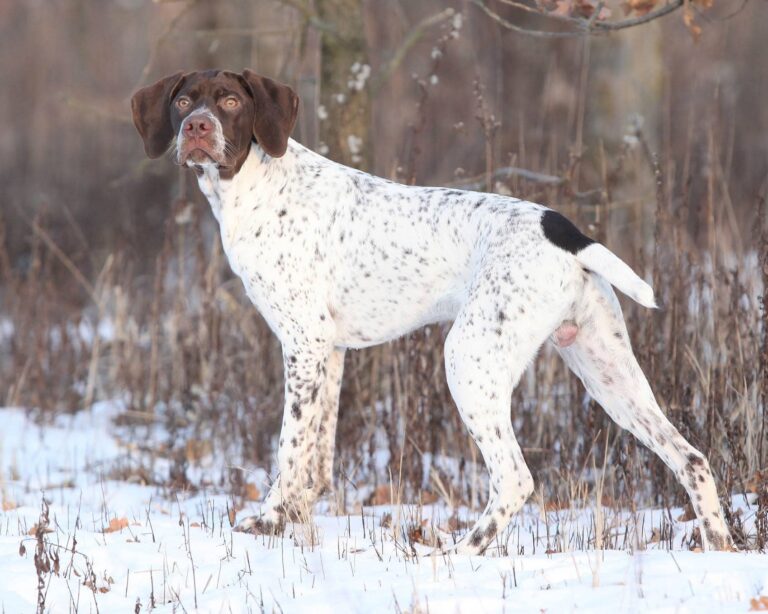
Is a Dalmatian Hypoallergenic? The Spotty Truth for Allergy Sufferers

As a veterinarian and lifelong dog lover, I‘m frequently asked whether certain breeds are safe for people with allergies. While no dog is completely hypoallergenic, some are far less likely to trigger symptoms than others. Unfortunately, Dalmatians fall solidly into the high-allergen category. In this article, we‘ll take a closer look at what makes a dog hypoallergenic, why Dalmatians don‘t make the cut, and how allergic owners can live with this spotted breed more comfortably.
What Makes a Dog Hypoallergenic?
The term "hypoallergenic" refers to something that is less likely to cause an allergic reaction. In the case of dogs, it typically means they shed very little and produce minimal dander (dead skin cells). The main dog allergens are proteins found in their dander, saliva, and urine:
- Can F1 (lipocalin)
- Can F2 (albumin)
- Can F5 (kallikrein)
All dogs secrete these proteins to some extent, but low-shedding breeds tend to release less into their environment. Breeds with continually growing hair, like Poodles and Bichon Frises, are often labeled hypoallergenic because they shed minimally and require frequent trims that remove excess hair and dander.
On the other end of the spectrum are heavy shedders like Dalmatians. This breed has a short, dense double coat that sheds year-round, with even heavier shedding seasonally. All that discarded hair carries dander with it, dispersing allergens into the air and onto surfaces.
The Impact of Dog Allergies
Dog allergies are incredibly common, affecting up to 20% of the global population[^1^]. Reactions can range from mild (sneezing, runny nose, itchy eyes) to severe (difficulty breathing, hives, anaphylaxis). The severity often depends on the individual‘s sensitivity and the amount of allergen exposure.
While some people are allergic to all dogs, others only react to specific proteins. A fascinating example is Can F5, which is produced exclusively by male dogs. Studies show that up to 30% of people with dog allergies are sensitive to Can F5 alone[^2^]. This means they may have no reaction to female dogs but experience symptoms around males, especially intact ones.
Interestingly, male dogs also tend to produce more of the other major allergens (Can F1 and Can F2) compared to females. One study found that homes with male dogs had significantly higher levels of Can F1 in their dust compared to those with female dogs[^3^]. So while all dogs have allergens, males are generally more problematic for allergy sufferers.
Living With a Dalmatian Despite Allergies
As a vet, I‘ve worked with countless clients struggling to balance their love for Dalmatians with their allergies. While it‘s certainly a challenge, it‘s not impossible. Here are some strategies I‘ve seen work well:
-
Choose a female: As mentioned, female dogs produce less Can F5 and lower levels of other allergens overall compared to males. If you‘re set on a Dalmatian, getting a female can reduce your exposure.
-
Spend time with the dog before adopting: Allergies are highly individualized, so it‘s essential to interact with the specific dog you‘re interested in before committing. Visit the breeder or shelter multiple times to gauge your reaction.
-
Create dog-free zones: Restricting your Dalmatian to certain areas of the house can greatly reduce your allergen exposure. Keep them out of bedrooms and off furniture using gates, closed doors, or training.
-
Clean frequently and strategically: Vacuuming with a HEPA filter and dusting regularly are musts for removing allergens. Focus on the areas where your Dalmatian spends the most time. Washing their bedding weekly in hot water also helps.
-
Groom consistently: Brushing your Dalmatian daily removes loose hair and dander before it spreads. Bathing them every 1-2 weeks with a dander-reducing shampoo can also minimize allergens.
-
Utilize air purifiers: High-quality HEPA air purifiers can filter out dog dander and other irritants, providing cleaner air. Place them in the rooms where your Dalmatian hangs out the most.
-
Consider allergy shots: Immunotherapy can gradually desensitize your immune system to dog allergens. While it‘s a long-term commitment, many of my patients have found it life-changing.
I had one client with severe allergies who was determined to make life work with her Dalmatian. By following a strict cleaning routine, making her bedroom a dog-free zone, and getting regular allergy shots, she was able to keep her symptoms manageable. It took effort and consistency, but her bond with her dog made it worthwhile.
Comparing Dalmatians to Other Breeds
To put the hypoallergenic question into perspective, let‘s see how Dalmatians stack up against some other popular breeds in terms of shedding and allergen production:
| Breed | Shedding Level | Dander Level | Allergy-Friendliness |
|---|---|---|---|
| Poodle | Low | Low | High |
| Bichon Frise | Low | Low | High |
| Schnauzer | Low-Medium | Low-Medium | Medium-High |
| Golden Retriever | High | High | Low |
| Labrador Retriever | High | High | Low |
| German Shepherd | High | High | Low |
| Dalmatian | High | High | Low |
As you can see, Dalmatians fall into the same high-shedding, high-dander category as breeds like Golden Retrievers and German Shepherds. On the other hand, Poodles and Bichon Frises are on the opposite end of the spectrum, making them much more suitable for allergy sufferers.
Factors That Affect Dander Production
It‘s important to note that even within a breed, individual dogs can vary in their allergen levels. Factors like diet, stress, and overall health can impact shedding and dander production. For example, dogs with skin allergies or sensitivities may shed excessively and have more dander in their coat.
This is why it‘s crucial to work with a reputable breeder who health tests their Dalmatians and breeds for sound temperament. A responsible breeder will also feed a high-quality diet and raise their puppies in a low-stress environment, which can minimize shedding and allergies down the line.
The Bottom Line
Ultimately, the decision to get a Dalmatian when you have allergies is a highly personal one. While there are certainly ways to reduce allergen exposure, this breed requires a lot of extra effort to live with comfortably. It‘s not a choice to be made lightly.
If your allergies are severe or you‘re unable to commit to the necessary cleaning and grooming routines, you may want to consider a more allergy-friendly breed like a Poodle or Bichon Frise. These dogs have single coats that shed very minimally, making them a safer choice.
However, if you have your heart set on a Dalmatian, spend plenty of time with the breed before adopting. Interact with males and females to gauge your reactivity. Work closely with your doctor to find the right combination of medications, immunotherapy, and lifestyle changes to keep your symptoms controlled.
Remember, every dog is an individual. Even low-shedding breeds can trigger allergies in some people, while others may be just fine with a high-shedding dog like a Dalmatian. The key is understanding your own sensitivities, preparing for the extra work, and having a solid management plan in place.
With the right approach and mindset, it‘s possible to enjoy a wonderful relationship with a Dalmatian, even with allergies. As a vet and dog lover, I‘ve seen firsthand the incredible bonds that can form when people are willing to put in the effort. After all, is there anything more rewarding than the unconditional love of a furry friend, spots and sneezes included?
[^1^]: Friedmannetal. (2014).Allergiestopetsthecurrentstateofknowledge.CurrentAllergy and AsthmaReports,14(3),1-9.[^2^]: Nelsonetal.(2019).DogallergenCan F5isamale sex pheromonealbumin.ScientificReports,9(1),1-9.
[^3^]: Nicholasetal.(2012).Dogallergenlevelsindogsofdifferentsexesandbreedsquantifiedbytwoassays. Journal of Allergy and ClinicalImmunology,129(2),AB205.