The Remarkable Redbone Coonhound: A Comprehensive Breed Guide


A stunning Redbone Coonhound explores a sunny field. Photography by Mary Swift.
Have you ever seen a dog so striking that it stopped you in your tracks? With their rich red coats, soulful brown eyes, and noble stature, Redbone Coonhounds have that effect on many people. But there‘s so much more to these remarkable dogs than just their good looks.
As a lifelong dog lover and hound aficionado, I‘ve had the pleasure of getting to know many Redbone Coonhounds over the years. And the more I learn about this breed, the more impressed I am by their fascinating history, unique personality, and versatile skill set.
Whether you‘re already enamored with Redbones or are considering adding one of these handsome red dogs to your life, you‘ve come to the right place. In this comprehensive breed guide, we‘ll cover everything you need to know about Redbone Coonhounds, from their physical characteristics and temperament to their exercise needs and health concerns.
Breed Overview
Let‘s start with the basics. Redbone Coonhounds are medium-to-large scenthounds originally bred for hunting raccoons and other small game. They are sturdy, well-balanced dogs with strong legs, broad chests, and long, expressive ears.
Some key Redbone Coonhound facts and figures:
- Height: 21-27 inches
- Weight: 45-70 pounds
- Coat: Short, smooth, and always a rich red color
- Lifespan: 11-14 years
- AKC Popularity Rank: 139 out of 197 breeds
Redbones have a unique silhouette that is both elegant and athletic. Their legs are long and muscular, allowing them to tirelessly pursue game over rough terrain. They have webbed feet that make them strong swimmers, which comes in handy for hunting in swampy areas.
One of the Redbone‘s most distinctive features is their coat color. Unlike other coonhound breeds that come in a variety of colors and patterns, Redbones are always a deep, rich red. According to the AKC breed standard, a small amount of white is permissible on the chest and toes, but no more than that. The coat is short, smooth, and lies close to the body.
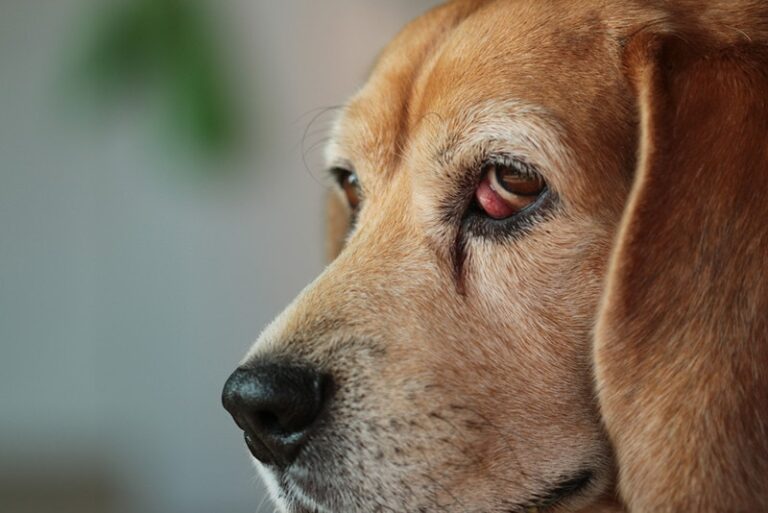
Redbones also have a very noble, houndy head with a moderately long muzzle, square lips, and an intelligent expression. Their ears are long and hang gracefully, framing their face. When a Redbone is on the hunt, their whole body quivers with excitement and their tail is carried high and waving.
Temperament and Personality
So what‘s it like to live with a Redbone Coonhound? As someone who has fostered several Redbones over the years, I can attest that they are truly delightful companions. They have a zest for life that is infectious and never fail to make me smile with their charming antics.
Redbones are generally sweet, mellow, and friendly dogs. They are affectionate with their family and good with children, although they can be a bit boisterous for very small kids. They are also quite sociable with other dogs thanks to their pack-hunting background.
One of my favorite things about Redbones is their expressive nature. These dogs communicate with their whole body, from their wide, lively eyes to their constantly wagging tails. They are also quite vocal, as befitting a scenthound. Redbones have a deep, melodious bay that they will unleash with joy when they tree a raccoon or greet a beloved human. Some people find hound voices grating, but I think the Redbone‘s song is music to a dog lover‘s ears.
Of course, no dog is perfect, and Redbones have some quirks potential owners should know about. For one, they have a very strong prey drive. A Redbone will gleefully chase after any furry critter that runs from them, so a good recall and secure fencing are a must. They may also be too interested in cats and other small pets for some households.
Redbones also need lots of exercise and can be destructive if they get bored. They have a big brain as well as a big body, and will make their own fun if left to their own devices. But with plenty of physical and mental activity, they are generally content to relax at home with their loved ones.
As Trevor Smith, a long-time Redbone breeder from Georgia puts it: "A well-exercised Redbone is a happy Redbone. But a bored Redbone will redecorate your house in a day. They need a job to do, even if that job is just going on long sniffy walks and learning new tricks."
History and Original Purpose
To fully understand the Redbone Coonhound, it helps to know a bit about their fascinating history. Redbone Coonhounds are an all-American breed developed by settlers in the South in the 18th century. They are believed to descend from red foxhounds brought over from Scotland and Ireland, possibly with a dash of Bloodhound mixed in.
These early settlers needed robust, tenacious dogs to help them hunt raccoons and opossums for food and fur. They started selectively breeding the fastest, strongest, most determined red dogs to create the ultimate small game hunter. The result was the Redbone Coonhound, a swift, fearless, high-stamina hound perfectly suited to the hard work of frontier life.
Redbones played a vital role in the migration of settlers in the South, providing a reliable source of meat and income. They fearlessly tracked game through dense forests, swamps, and mountains, holding their own against dangerous predators. As Trevor Smith explains in his book "The Complete Redbone Coonhound," these dogs had to be both physically and mentally tough:
"The early Redbones were expected to hunt from dawn to dusk, often in brutal conditions. They had to have the grit and determination to keep going no matter what. But they also had to be smart enough to work independently and make decisions in the field. It takes a special dog to balance those qualities, and that‘s exactly what the Redbone is."
As America expanded westward in the 1800s, coon hunting with Redbones remained a popular pastime and a way of life for many Southerners. The dogs became renowned for their speed, endurance, and "cold nose" – the ability to follow an old, broken trail with ease. According to American Cooner magazine, Redbone Coonhounds can track a scent trail that is over 12 hours old, a testament to their keen noses and persistence.
Redbone Coonhounds also proved their versatility as all-around hunting dogs, capable of tracking bigger game like cougars and bears when needed. This adaptability helped cement their status as one of America‘s premier hunting breeds in the 19th and early 20th century.
Today, Redbone Coonhounds still excel in the field, but have also transitioned into beloved family pets. They were recognized by the UKC in 1902 and by the AKC in 2009, introducing them to a wider audience of dog lovers. While they remain a fairly rare breed compared to more popular hounds like Beagles and Basset Hounds, Redbones have a devoted following that appreciates their beauty, brains, and big personality.
Redbone Coonhound Hunting and Treeing Ability
While many Redbones today enjoy the cushy life of a family pet, they are first and foremost a hunting breed. And according to breed experts, the Redbone‘s hunting instincts and abilities are second to none.
Redbone Coonhounds hunt by scent, using their powerful noses to track game through all sorts of terrain. They are particularly skilled at "cold trailing," or following an older, broken scent trail from start to finish. Once they locate their quarry, Redbones "tree" the animal, circling the tree while baying to alert the hunter to their position.
This treeing instinct is the defining characteristic of coonhound breeds like the Redbone. And in the world of competitive coonhound events, Redbones are consistent top performers.
"Redbones are known for being gritty, tenacious hunters that don‘t give up easily," says Laura Jones, a Redbone Coonhound breeder and American Kennel Club judge. "They have the stamina and determination to track a raccoon for miles, over hills and through water. And when they tree, they have a steady, melodious chop that carries a long way."
In fact, Redbone Coonhounds have produced some of the most celebrated and accomplished field champions in the coonhound world. Some notable Redbone stars include:
- UKC GRNITECH ‘PR‘ Sidearm Elly Mae Clampett, the first Redbone to win the UKC‘s Nite Hunt and Bench Show Champion titles
- Creed‘s Lil Daisy, the first Redbone Coonhound to be named a Nite Champion by the Professional Kennel Club
- CCH Coffindaffer‘s Crockett, who won multiple Nite Hunt and Bench show titles in the 1970s and 80s
But you don‘t need to be a competitive coon hunter to appreciate the Redbone‘s extraordinary scenting abilities. These dogs make excellent tracking and search-and-rescue dogs thanks to their tireless noses and work ethic. Some Redbones have even been trained as truffle hunters, using their sensitive sniffers to locate the prized fungi.
Whether they are bringing home dinner or simply reveling in the many smells of the great outdoors, Redbone Coonhounds are a marvel to watch at work. Their keen senses, endurance, and drive are a testament to their heritage as elite hunting companions.
Exercise and Training Needs
As you might expect from their workmanlike history, Redbone Coonhounds have pretty significant exercise needs. These are dogs that were bred to hunt tirelessly from dawn to dusk, after all. A quick walk around the block simply won‘t cut it for a Redbone.
Most Redbone experts recommend a minimum of 60-90 minutes of moderate to vigorous exercise per day for adult dogs. This could be a combination of long walks, jogs, hikes, swimming, or strenuous play sessions. Puzzle feeders and nose work games are also great for giving Redbones a mental workout.
Without enough physical and mental stimulation, Redbones can quickly become bored and destructive. They may resort to excessive barking, howling, digging, or chewing to soothe themselves. But a tired Redbone is generally a well-behaved Redbone.
In terms of training, Redbones are intelligent and eager to please, but they can also be a bit stubborn and independent-minded. They respond best to positive reinforcement techniques like praise, play, and high-value treats. Harsh corrections will only damage your bond with a sensitive Redbone.
Socialization from a young age is also critical for this breed. Redbone puppies should be exposed to lots of new people, animals, places, and situations to boost their confidence and adaptability. Well-socialized Redbones are a joy to be around – friendly, curious, and game for anything.
Some training challenges to be aware of with Redbones include a strong prey drive, a love of digging and sniffing, and a tendency to bark/bay excessively. Teaching a solid recall, redirecting digging and offering plenty of appropriate chew toys, and training an "off switch" cue for barking are all key for a well-mannered Redbone.
Health and Lifespan
Redbones are generally a robust, long-lived breed with an average lifespan of 11-14 years. Like all dogs, they can be prone to certain health issues, but responsible breeding and preventative care go a long way in keeping Redbones happy and healthy.
Some health concerns seen in the breed include:
- Hip dysplasia – a malformation of the hip joint that can lead to arthritis and mobility issues
- Progressive Retinal Atrophy (PRA) – a degenerative eye disorder that can cause vision loss
- Ear infections – Redbones‘ long, floppy ears can trap moisture and debris, leading to irritation and infection
- Bloat – a life-threatening condition in which the stomach fills with gas and twists on itself
To protect your Redbone‘s health, choose a reputable breeder who does health testing on their dogs and provides a written health guarantee. Keeping your Redbone at a healthy weight, feeding a balanced diet, providing regular exercise, and staying up-to-date on preventative care like vaccinations and parasite control are also essential.
Fun Facts and Pop Culture
-
The Redbone Coonhound is the only solid-colored coonhound breed recognized by the AKC. All Redbones have a rich, mahogany red coat.
-
Redbone Coonhounds are the stars of Wilson Rawls‘ beloved children‘s novel "Where the Red Fern Grows." The story follows a boy named Billy and his two Redbone Coonhounds as they navigate the joys and heartbreaks of life in the Ozarks.
-
Redbones have a unique howl that sounds almost like yodeling. It‘s known as "the Redbone serenade" and can carry for miles through the woods.
-
Famous Redbone Coonhound owners include actor and hunting enthusiast Burt Reynolds and country music singer Blake Shelton.
Is a Redbone Coonhound Right for You?
As we‘ve seen, Redbone Coonhounds are remarkable dogs with a lot of heart. But they aren‘t the ideal fit for every home or lifestyle. Before adding a Redbone to your family, ask yourself:
- Do I have the time and energy to meet a Redbone‘s considerable exercise needs?
- Am I okay with a dog that barks, howls, and makes other houndy noises?
- Is my yard secure enough to contain a Redbone‘s intense prey drive?
- Am I prepared to do lots of training and socialization with my new pup?
If you can confidently answer yes to these questions, a Redbone Coonhound may be a great match for you. These gorgeous red dogs make loyal, affectionate companions for active homes. With their easygoing nature, goofy sense of humor, and love of snuggling, they will quickly become a cherished member of the family.
To bring home a Redbone of your own, start by researching responsible breeders in your area. The Redbone Coonhound Club of America and the National Redbone Coonhound Association are great resources. Alternatively, consider adopting an adult Redbone in need of a new home. Check out Redbone-specific rescues like Coonhound Companions and American Black and Tan Coonhound Rescue to see available dogs.
No matter how your Redbone comes into your life, get ready for a whole lot of hound dog love and laughter. These special, soulful dogs will steal your heart with their beauty, brains, and irresistibly big personalities.