The Golden Mountain Dog: Gentle Giant and Devoted Family Companion

If you‘re looking for a big, beautiful dog with a heart of gold, the Golden Mountain Dog may be your dream breed. This designer dog combines the best qualities of the friendly, eager-to-please Golden Retriever and the loyal, good-natured Bernese Mountain Dog. The result is a gentle giant that loves human companionship and makes a wonderful addition to active families.
While Golden Mountain Dogs can be fantastic pets, these large dogs are not for everyone. Their size, grooming needs, and health concerns require committed owners willing to put in the time and effort to raise a happy, well-adjusted dog. In this comprehensive guide, we‘ll delve into all aspects of Golden Mountain Dog ownership to help you decide if this magnificent mixed breed is right for you.
The Origins of the Golden Mountain Dog
As a relatively new designer breed, the origins of the Golden Mountain Dog are not well-documented. However, we can glean insights into these dogs by examining the history and characteristics of the parent breeds that were crossed to create them.
The Golden Retriever
Developed in Scotland in the 1800s, the Golden Retriever was bred to be the ideal hunting companion and waterfowl retriever. Prized for their intelligence, trainability, and "soft mouth" for gently carrying game, Golden Retrievers have transitioned in modern times to be one of the most popular family dogs worldwide.
Goldens are famous for their agreeable temperaments – friendly, tolerant, eager to please. They tend to maintain a positive, puppy-like attitude well into adulthood. Outgoing and social, Golden Retrievers get along well with children and other pets. These energetic sporting dogs need plenty of exercise and mental stimulation to be at their best.
The Bernese Mountain Dog
The Bernese Mountain Dog hails from the farmlands of Switzerland, where the breed was developed to be a versatile working dog. Strong and sturdy, Berners hauled carts, drove cattle, and served as watchdogs and loyal companions.
While protective of their families, Bernese Mountain Dogs are good-natured and gentle, especially with children. They tend to be more reserved with strangers compared to the social butterfly Golden. Berners are smart and trainable but can sometimes have a stubborn streak. These large working dogs need moderate exercise and do best with a job to do, even if it‘s just pulling the kids in a cart.
The Best of Both Breeds?
The Golden Mountain Dog was likely developed to create a dog with the friendly, people-oriented nature of the Golden Retriever in a larger, sturdier package reminiscent of the Bernese Mountain Dog. As with any mixed breed dog, Golden Mountain Dogs can inherit a range of traits from either parent breed. However, most seem to strike a happy medium – more laid-back than the high-energy Golden but more outgoing than the slightly aloof Berner.
Appearance of the Golden Mountain Dog
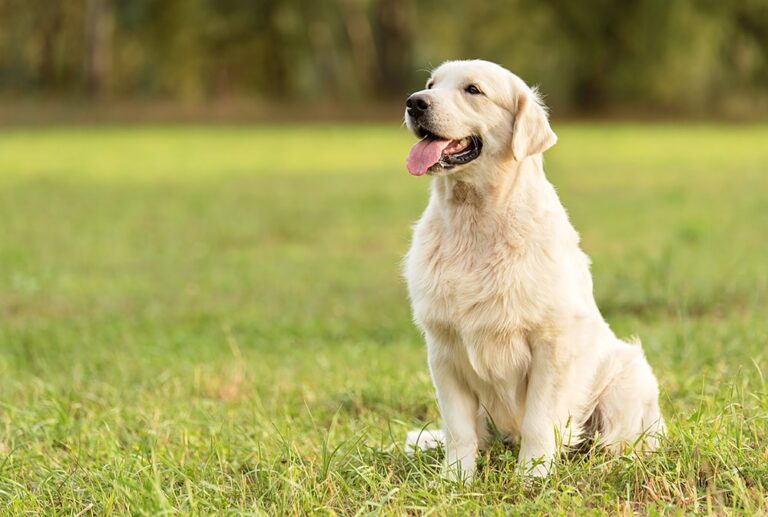
One of the first things you‘ll notice about a Golden Mountain Dog is their size. These are big dogs, weighing anywhere from 75 to 120 pounds and standing 24-28 inches tall at the shoulder. Despite their imposing stature, Golden Mountain Dogs tend to be big softies with a sweet, gentle expression.
Coat and Colors
Golden Mountain Dogs sport a long, thick double coat, an inheritance from both parent breeds developed to withstand cold climates. The undercoat is soft and dense, while the outer coat is longer and wavy or straight. Common coat colors include:
- Black, white and tan (tricolor like a Bernese Mountain Dog)
- Black and tan (bicolor like a Rottweiler)
- Solid black
- Solid golden or light tan
Some Golden Mountain Dogs may have white markings on the chest, toes, and tail tip. The feathering on the backs of the legs and tail is often longer and lighter in color than the body.
Head and Body
The Golden Mountain Dog‘s head is broad and slightly rounded, with a moderately defined stop (forehead) and a straight or slightly convex muzzle. The medium-sized eyes are typically brown, with an intelligent, friendly expression. The ears are medium in size, triangular in shape, and hang down close to the head.
These large dogs have a strong, muscular neck that flows smoothly into well-laid-back shoulders and a deep chest. The topline is straight and level, and the body is slightly longer than tall. Strong, sturdy legs support the dog‘s substantial frame, and the tail is long and bushy, carried low when relaxed.
[Insert photo of Golden Mountain Dog standing in profile, showing full body proportions]Golden Mountain Dog Temperament and Personality
Golden Mountain Dogs are renowned for their sweet, gentle nature. They are affectionate, people-oriented dogs that crave human companionship. Loyal and devoted, they form strong bonds with their families and can be protective watchdogs without being overly suspicious or aggressive.
Like Golden Retrievers, Golden Mountain Dogs are usually patient and tolerant with children, making them excellent family pets. They get along well with other dogs and can learn to coexist peacefully with cats if raised together. These social dogs do not enjoy spending long periods alone and may develop separation anxiety if not properly conditioned to time apart from their humans.
Intelligence and Trainability
Golden Mountain Dogs are smart cookies, a trait inherited from both the Golden Retriever and the Bernese Mountain Dog. They are generally eager to please and quite trainable, learning new commands and tricks with ease. However, some Golden Mountain Dogs can have a bit of a stubborn streak, particularly during adolescence, so patience and consistency are key.
Like all dogs, Golden Mountain Dogs need early socialization to develop into well-rounded, confident adult dogs. Puppy kindergarten classes are a great way to expose your Golden Mountain Dog to new people, dogs, sights, and sounds in a controlled environment.
Despite their smarts, Golden Mountain Dogs can be slow to mature mentally, retaining a goofy, puppy-like demeanor well into adulthood. While entertaining, this extended adolescence can be frustrating for owners trying to train a 100-pound teenager. Rest assured, with time and patience, your Golden Mountain Dog will develop into a well-behaved adult dog.
Grooming and Care
One of the most significant commitments of owning a Golden Mountain Dog is keeping up with their grooming needs. These dogs have a lot of hair, and they shed heavily year-round, with even heavier shedding during seasonal coat changes.
To keep your Golden Mountain Dog‘s coat healthy and minimize shedding, brush them thoroughly at least two to three times a week. A slicker brush and a metal comb can help work through tangles and remove loose hair. During heavy shedding periods, you may need to brush daily to keep up with the hair loss.
In addition to brushing, Golden Mountain Dogs need regular nail trims, ear cleanings, and dental care. Trim your dog‘s nails every two to four weeks, or as needed to prevent overgrowth. Check their ears weekly for redness, odor, or discharge, and clean them with a vet-approved solution if necessary. Brush your dog‘s teeth daily, or at least a few times a week, to prevent dental disease.
While Golden Mountain Dogs do not need frequent baths, they may develop a doggy odor if not washed occasionally. Bathe your dog every two to three months, or as needed, using a gentle, dog-specific shampoo. Avoid bathing too frequently, as this can strip the natural oils from your dog‘s skin and lead to dryness and irritation.
Exercise and Training Needs
Golden Mountain Dogs are moderately active dogs that need regular exercise to stay healthy and happy. While not as high-energy as purebred Golden Retrievers, they still require daily walks, playtime, and mental stimulation.
Aim for at least 30 to 60 minutes of exercise per day, broken up into two or more sessions. This can include walks, hikes, trips to the dog park, or playtime in a securely fenced yard. Golden Mountain Dogs often enjoy swimming, retrieving, and other activities that engage their bodies and minds.
In addition to physical exercise, Golden Mountain Dogs need plenty of mental stimulation to prevent boredom and destructive behaviors. Training sessions, puzzle toys, and interactive play can help keep your dog‘s mind active and engaged.
When training a Golden Mountain Dog, use positive reinforcement techniques such as praise, treats, and play. These sensitive dogs do not respond well to harsh corrections or punishment-based methods. Keep training sessions short and fun, and end on a positive note to maintain your dog‘s enthusiasm for learning.
Feeding and Nutrition
As large breed dogs, Golden Mountain Dogs have specific nutritional needs to support their growth and development. Puppies should be fed a high-quality, large breed puppy food that is formulated to promote slow, steady growth and prevent joint problems later in life.
Adult Golden Mountain Dogs should be fed a balanced, age-appropriate diet that meets their energy needs without leading to obesity. Look for foods that list a high-quality protein source (such as chicken, beef, or fish) as the first ingredient, followed by wholesome, nutrient-rich vegetables and grains.
Avoid foods that contain artificial colors, flavors, or preservatives, as well as those with high levels of fillers like corn, wheat, or soy. If your Golden Mountain Dog has food allergies or sensitivities, you may need to experiment with different proteins or choose a limited-ingredient diet.
Feed your adult Golden Mountain Dog two to three meals per day, depending on their age, activity level, and individual metabolism. Follow the feeding guidelines on the food package, but adjust the amount as needed to maintain your dog‘s ideal body condition. You should be able to feel your dog‘s ribs and see a visible waist when looking down from above.
Health Concerns
Like many large breed dogs, Golden Mountain Dogs are prone to certain health issues that potential owners should be aware of. While not all dogs will develop these problems, it‘s important to choose a reputable breeder who health tests their breeding stock and provides health guarantees for their puppies.
Some of the health concerns that can affect Golden Mountain Dogs include:
- Hip and elbow dysplasia: These developmental disorders cause the joints to form improperly, leading to arthritis and lameness.
- Eye problems: Golden Mountain Dogs can inherit eye diseases such as cataracts, progressive retinal atrophy (PRA), and glaucoma from their parent breeds.
- Cancer: Golden Retrievers are particularly prone to certain types of cancer, including lymphoma and hemangiosarcoma, and this risk may be passed on to Golden Mountain Dogs.
- Bloat: Also known as gastric dilatation-volvulus (GDV), bloat is a life-threatening condition in which the stomach fills with gas and twists on itself, cutting off blood flow. Large, deep-chested breeds like Golden Mountain Dogs are at increased risk.
- Hypothyroidism: This endocrine disorder occurs when the thyroid gland doesn‘t produce enough hormones, leading to weight gain, lethargy, and skin problems.
To help prevent these and other health issues, feed your Golden Mountain Dog a high-quality diet, keep them at a healthy weight, and provide regular exercise. Schedule annual check-ups with your veterinarian, and stay up-to-date on recommended vaccinations and preventive care.
Lifespan and Senior Care
The average lifespan of a Golden Mountain Dog is 10 to 12 years, which is typical for a large breed dog. However, with proper care and a bit of luck, some Golden Mountain Dogs may live well into their teenage years.
As your Golden Mountain Dog ages, they may develop age-related health issues such as arthritis, hearing or vision loss, and cognitive decline. To help your senior dog stay comfortable and happy, consider the following:
- Provide a soft, supportive bed to cushion arthritic joints
- Use ramps or stairs to help your dog access furniture or vehicles
- Feed a senior-specific diet that is lower in calories and higher in fiber
- Keep your dog‘s mind active with puzzle toys and low-impact training sessions
- Schedule more frequent check-ups with your veterinarian to catch and manage health issues early
With a little extra TLC, you can help your Golden Mountain Dog enjoy a high quality of life well into their golden years.
Finding a Golden Mountain Dog Breeder
If you‘ve decided that a Golden Mountain Dog is the right breed for you, the next step is finding a reputable breeder. Unfortunately, the popularity of designer breeds like the Golden Mountain Dog has led to an increase in puppy mills and backyard breeders who prioritize profit over the health and welfare of their dogs.
To avoid supporting these unethical breeding practices, look for a breeder who:
- Allows you to visit their facility and meet the puppy‘s parents
- Provides health clearances for the parents, including hip and elbow evaluations, eye exams, and genetic tests
- Socializes their puppies and provides early enrichment experiences
- Offers a written contract with a health guarantee and a commitment to take the dog back if you can no longer keep them
- Asks you questions about your lifestyle and experience to ensure their puppies are going to suitable homes
Be prepared to wait for the right puppy, as responsible breeders typically have a limited number of litters per year and may have a waiting list. Avoid breeders who always seem to have puppies available or who are willing to ship a puppy without meeting you first.
Fascinating Golden Mountain Dog Facts
To wrap up our comprehensive guide to the Golden Mountain Dog, here are a few fun facts about this delightful breed:
-
Golden Mountain Dogs are sometimes called "Bernerdens" or "Bernidens," a portmanteau of Bernese Mountain Dog and Golden Retriever.
-
While they are not recognized by the American Kennel Club (AKC), Golden Mountain Dogs are accepted by some designer breed registries, including the International Designer Canine Registry (IDCR) and the Dog Registry of America, Inc. (DRA).
-
Golden Mountain Dogs have webbed feet, a trait inherited from their Golden Retriever ancestors. This makes them excellent swimmers and natural water dogs.
-
Some Golden Mountain Dogs have a unique "reverse mask" marking, where the face is lighter in color than the rest of the body. This striking pattern is not seen in either parent breed and is a signature look of the Golden Mountain Dog.
-
Golden Mountain Dogs are popular therapy dogs, thanks to their friendly, empathetic nature and love of human interaction. With proper training and certification, they can provide comfort and support in hospitals, nursing homes, schools, and other settings.
Whether you‘re looking for a gentle giant to join your family adventures or a loyal companion to share your home and heart, the Golden Mountain Dog may be the perfect breed for you. With their striking good looks, endearing personality, and devotion to their humans, these dogs are sure to steal your heart and become a cherished member of your pack.