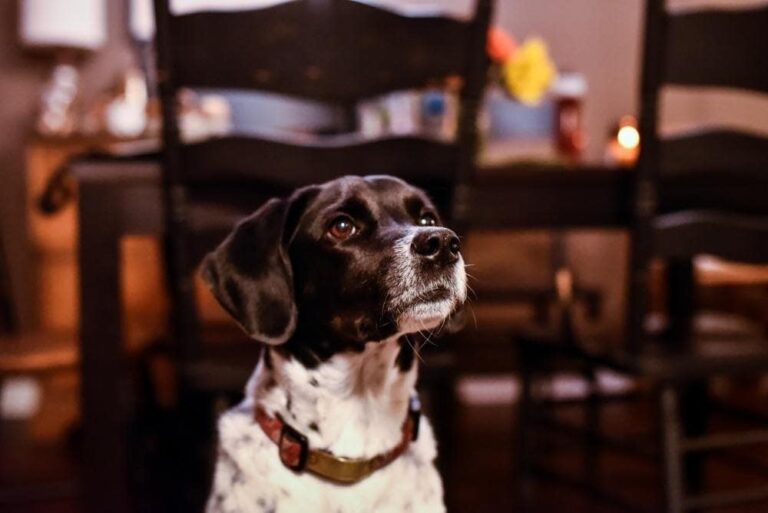
Istrian Shorthaired Hound Dog Breed Guide: Pictures, Info, Care, & More

The Istrian Shorthaired Hound: Croatia‘s Acclaimed Hunting Companion
If you‘re seeking a loyal, even-tempered hunting dog with a fascinating history, look no further than the Istrian shorthaired hound. Originally from Croatia‘s Istrian Peninsula, this short-coated scenthound is among the oldest and most esteemed hunting breeds in the Balkans. Prized for their superb scenting ability, stamina, and bravery in the field, Istrian shorthaired hounds also make calm and devoted companion dogs when not on the hunt. Could this pup be your ideal match? Read on for an in-depth look at the Istrian shorthaired hound.
Noble Appearance
The first thing you‘ll notice about Istrian shorthaired hounds is their regal appearance. Strong and solidly built, males stand 18-20 inches tall at the shoulder and weigh 35-40 pounds, with females being slightly smaller. They have a lean, athletic body, long legs, and a deep chest that enables them to tirelessly pursue game over rough terrain.
Their short, dense coat is always white with distinct orange or chestnut markings. The attractive contrast beautifully showcases their soulful brown eyes, long floppy ears, and inquisitive expression. While they resemble classic American foxhounds, Istrian hounds have a unique look all their own. Overall, they strike an impressive pose as a well-proportioned hunting dog.
Mellow and Friendly, with a Passion for the Hunt
When it comes to temperament, Istrian shorthaired hounds are known for being outgoing, even-tempered, and friendly. They bond closely with their owners and are quite affectionate with family. Although alert and serious on the trail, at home these dogs are calm and gentle. They usually get along well with other dogs and are generally polite with strangers.
However, it‘s important to note that Istrian hounds are first and foremost hunting dogs. Centuries of breeding have honed their instinct to pursue game like rabbits and foxes. Even the most laid-back Istrian hound will have moments when their nose leads the way on a scent. They have a tendency to bark and bay while tracking, so they may not be ideal for apartment living.
This breed‘s passion also means they have high exercise requirements to stay happy and well-behaved. Expect to provide an Istrian hound at least an hour of vigorous activity each day, whether that‘s jogging, hiking, or playing fetch in a fenced yard. A bored Istrian hound is likely to become destructive or try to escape in search of adventure.
Smart and Trainable
In terms of intelligence, Istrian shorthaired hounds are bright and can master basic obedience with consistent training. Like many hounds, they can have an independent or even stubborn streak, but they respond well to positive reinforcement and rewards. Start training early and keep sessions upbeat to hold their attention.
On the hunt, Istrian hounds excel at following scent trails and flushing out small game. Traditionally, this breed works in packs alongside other hounds. From a young age, puppies head out with experienced adults to learn the ropes. Even if you don‘t hunt with your Istrian hound, their keen nose and adventurous spirit make them fun companions for outdoor excursions.
Low-Maintenance Grooming
The Istrian shorthaired hound‘s sleek coat is easy to maintain. Weekly brushing with a hound glove or rubber curry brush will remove loose fur and keep their coat shiny. They shed moderately year-round, with slightly heavier shedding in spring and fall as their coat adapts to the changing seasons.
Unless they‘ve rolled in something stinky, Istrian hounds only need occasional baths. Their short coat dries quickly after a hunt in wet conditions. However, it‘s important to check their ears weekly for signs of infection, such as redness, discharge, or odor. The floppy ears combined with a love of crashing through underbrush make ear issues one of the most common health problems for this breed.
Other grooming needs include regular nail trims and dental care. Start handling your Istrian hound‘s paws and mouth from puppyhood so they learn to accept grooming calmly. While you‘re brushing, take the opportunity to check their skin for lumps, bumps, or external parasites they may have picked up outside.
Health and Lifespan
Istrian shorthaired hounds are generally a sturdy, long-lived breed with a lifespan of 12-15 years. Like other medium-to-large dogs, they can be prone to hip dysplasia and eye disorders like cherry eye. Responsible breeders screen their stock for hereditary issues to produce the healthiest pups possible.
To support your Istrian hound‘s wellbeing, feed a high-quality, age-appropriate diet and keep them at a healthy weight. Obesity puts excess strain on their joints and increases the risk of problems like arthritis or cruciate ligament tears. If you hunt with your hound, make sure they are properly conditioned before heading out and take breaks as needed to avoid overexertion.
Istrian Hounds as Family Companions
So how do Istrian shorthaired hounds fit into a family environment? When raised with children, they are patient, playful companions who enjoy romping in the yard together. They do best with older kids who understand how to respectfully interact with dogs. Always supervise play to avoid accidental ear pulling or tail grabbing by young children.
With their strong prey drive, Istrian hounds aren‘t trustworthy around cats or small pets. Even if raised together, the hound‘s instinct to chase can kick in as they mature. Similarly, they‘ll eagerly pursue squirrels, rabbits, or other critters they spot in the yard. A sturdy fence is a must to keep these determined hunters from taking off after quarry.
First-time dog owners should carefully consider if they can meet an Istrian hound‘s exercise and companionship needs. This isn‘t a breed content to laze on the couch all day. They thrive with active owners who include them in daily outings and adventures. Novice owners may find the Istrian hound‘s independence challenging, while experienced dog handlers often appreciate their versatile hunting skills and easygoing personality at home.
A Glimpse into the Istrian Hound‘s Past
The Istrian shorthaired hound‘s history is a bit of a mystery. As an ancient breed, their precise origins have been lost to time. However, experts believe they are descended from Phoenician hunting dogs brought to the Balkans around 1000 B.C.E. For centuries, these tenacious hounds have hunted alongside humans in the mountainous Istrian Peninsula.
Istrian shorthaired hounds are the oldest of the two Istrian hound breeds, with written records and artwork dating back to the 1300s. In contrast, the Istrian longhaired hound (also known as the Istrian coarse-haired hound) didn‘t appear until the 1800s. Despite the overlapping moniker, Istrian shorthaired and longhaired hounds are distinct breeds.
Over the centuries, Istrian shorthaired hounds have been owned by both nobility and common people. Their agility, stamina, and scenting prowess made them sought-after hunting companions in the Istrian Peninsula and beyond. While they eventually spread into neighboring areas, the Istrian shorthaired hound remains rare outside its native region.
Today, Istrian shorthaired hounds are still primarily used for hunting rabbits and foxes in Croatia and Slovenia. Hunters appreciate their speed, endurance, and courageous spirit when pursuing game. The breed is recognized by the Federation Cynologique Internationale and is celebrated as part of Croatia‘s cultural heritage. While a fabulous hunter, the breed‘s friendly, trainable nature also makes them a treasured pet for active families.
Istrian Hound Fun Facts
Still curious about the tenacious, yet little-known Istrian shorthaired hound? Check out these fun facts:
-
In Croatia, the breed is officially named the Istarski Kratkodlaki Gonič (Istrian short-haired hound).
-
The breed‘s elegant look has earned them a place on Croatia‘s postage stamps. Their image was featured on stamps issued in 1943 and 2007.
-
Istrian shorthaired hounds have a mighty voice. When they pick up an interesting scent, they let out musical howls called baying to alert hunters. While charming in the field, the baying can be disruptive in close quarters.
-
These dogs are highly food motivated! They‘ll eagerly scarf down meals or work for tasty treats during training sessions. It‘s important to watch their portions to prevent unwanted weight gain.
-
Although affectionate with family, Istrian hounds tend to bond most closely with one special person. They‘ll still show love to others, but their heart belongs to their primary caretaker.
Is an Istrian Hound Right For You?
Now that you know more about the intelligent, rugged Istrian shorthaired hound, is this breed your perfect match? If you‘re an outdoorsy type who enjoys long hikes and can provide plenty of exercise, an Istrian hound could be a wonderful companion. Hunters appreciate their strong work ethic and keen nose, while active families value their gentle, playful demeanor at home.
On the other hand, an Istrian hound may not be an ideal choice for apartment dwellers, novice owners, or those with cats and small pets. Remember, these high-energy dogs need ample daily exercise and thrive with a job to do, whether that‘s hunting, participating in nosework, or learning new tricks. Their independent nature and baying bark can also be challenging in close quarters.
If you think the courageous, noble Istrian shorthaired hound could be the breed for you, check out rescue organizations or reputable breeders to find your new best friend. With proper training and care, an Istrian hound will be your devoted companion for years to come, both in the field and in the comfort of home.