Maltipoo vs Toy Poodle: An Expert‘s Guide to Choosing the Perfect Petite Pup
Are you torn between two adorable toy dog breeds – the magnificent Maltipoo and the tiny Toy Poodle? As a veterinarian and lifelong dog lover, I‘m here to help you make an informed decision on which pint-sized pooch is the ideal fit for your lifestyle. In this comprehensive comparison, we‘ll dive deep into the origins, appearances, personalities and care requirements of Maltipoos and Toy Poodles. By the end, you‘ll have all the information you need to confidently choose your new furry family member. Let‘s get started!
Meet the Maltipoo: A Charming Cross-Breed
First up, let‘s get acquainted with the marvelous Maltipoo. This relatively new "designer dog" is a cross between a Maltese and either a Miniature or Toy Poodle. Maltipoos have surged in popularity over the past couple decades thanks to their endearing looks and lovable dispositions.
According to the American Canine Hybrid Club, the Maltipoo first originated in the United States in the late 1990s, with a goal of creating a small, low-shedding companion dog. While their exact origins are unclear, it‘s believed that the first Maltipoos were bred by Poodle enthusiasts seeking to create a hypoallergenic, easy-to-train lap dog.
The Maltipoo‘s meteoric rise in popularity is evident in registration statistics. In 2010, the International Designer Canine Registry reported just over 2,000 Maltipoo registrations. By 2020, that number had skyrocketed to nearly 20,000 – a whopping 900% increase in just a decade! Today, Maltipoos consistently rank among the top 20 most popular designer dog breeds worldwide.
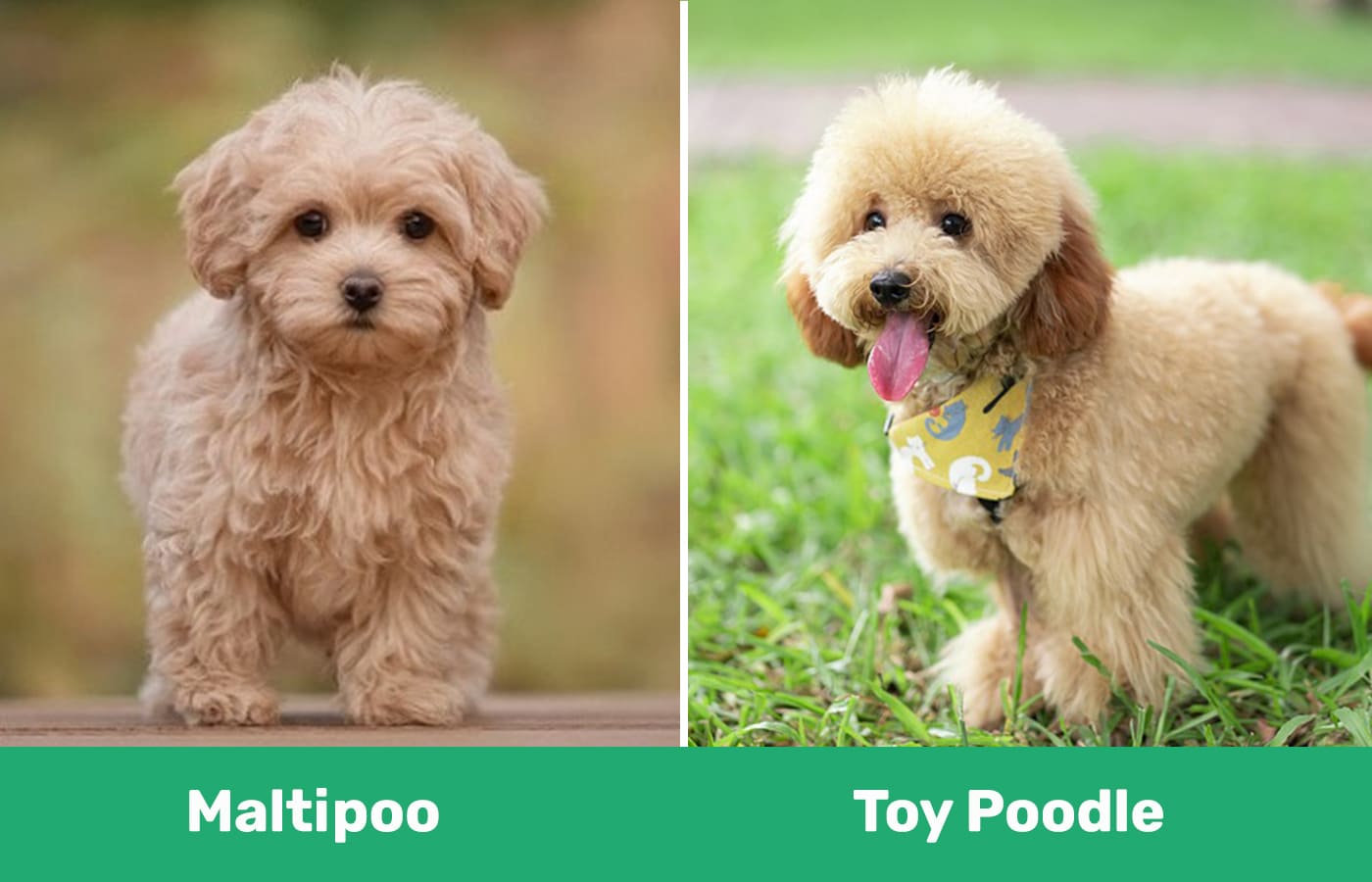
So what does a Maltipoo look like? Picture a small, fluffy bundle of cuteness! Most weigh between 5 to 20 pounds and stand 8 to 14 inches tall at the shoulder. Their soft, dense coats can range from straight to wavy or curly, typically coming in solid white, cream, apricot or a mix of these hues. Maltipoos have round, expressive eyes, floppy ears and adorably scruffy faces that retain puppy-like features well into adulthood.
| Trait | Maltipoo |
|---|---|
| Height | 8-14 inches |
| Weight | 5-20 pounds |
| Coat Type | Soft, dense, wavy to curly |
| Coat Colors | White, cream, apricot, mix |
| Eye Shape | Round, expressive |
| Ear Type | Floppy |
Don‘t let their diminutive size fool you – Maltipoos have big personalities! These smart, sociable sweethearts absolutely adore human companionship. They‘re happiest when by your side, whether that‘s snuggling on the sofa or frolicking at the park. While not high-energy dogs, Maltipoos do need daily activity, like walks and playtime, to stay mentally stimulated.
As veterinarian Dr. Sarah Wooten explains, "Maltipoos are the perfect blend of affectionate lap dog and peppy playmate. They‘ll contentedly cuddle for hours, but also jump at the chance for a quick game of fetch or hide-and-seek."
Maltipoos tend to get along well with everyone they meet, including children, strangers and other dogs. Early socialization is still important to encourage confidence and prevent excessive barking. These intelligent pups are typically a breeze to train, responding eagerly to positive reinforcement methods like praise and yummy treats.
One of the Maltipoo‘s top draws is their low-shedding, hypoallergenic coat. While no dog is 100% allergen-free, Maltipoos are an excellent choice for many allergy sufferers. Just keep in mind, regular brushing and occasional trims are needed to prevent painful mats and tangles.
Grooming a Maltipoo is relatively straightforward, but requires consistency. Plan to brush your pup‘s coat several times per week using a pin brush or slicker brush. Regular baths with a gentle, moisturizing shampoo will help keep their fur soft and clean. Trim around the eyes, ears and sanitary areas as needed, and check ears weekly for signs of infection.
Maltipoos aren‘t just pretty faces – they tend to be a hardy, healthy breed with an average lifespan of 10-13 years. However, like all dogs, they‘re prone to certain genetic health issues. According to a 2020 study by the University of Helsinki, the most common health problems seen in Maltipoos include:
- Patellar luxation (dislocated kneecaps): 11.2% of Maltipoos
- Dental disease: 8.7% of Maltipoos
- Ear infections: 7.3% of Maltipoos
- Eye disorders: 5.6% of Maltipoos
Reputable Maltipoo breeders will screen their breeding stock for genetic conditions and strive to produce the healthiest pups possible. When purchasing a Maltipoo from a breeder, be sure to ask for health clearances on the parent dogs.
All in all, Maltipoos are a delightful cross-breed, suitable for many households and living situations. These cheerful charmers fit in beautifully with active families, empty-nesters, apartment dwellers and suburban homes alike. Now let‘s see how they compare to another popular bitty breed: The Toy Poodle!
All About the Toy Poodle: Petite Perfection
In the opposite corner, we have the tiny-but-mighty Toy Poodle. Elegant, intelligent and irresistibly cute, Toy Poodles boast a much longer history than the Maltipoo. In fact, Toy Poodles are one of the oldest dog breeds, dating back to 18th century Europe, where they were favored as companions by royalty and the upper class.
The Toy Poodle‘s origins can be traced back to Germany, where larger Standard Poodles were used as hunting and retrieving dogs. Over time, smaller versions of the Poodle were bred down in size to create portable companions. By the 1700s, these miniature Poodles were popular pets among European nobility, particularly in France.
According to the American Kennel Club, Toy Poodles were first recognized as a distinct breed variety in 1887. Since then, they‘ve consistently ranked among the top 20 most popular dog breeds in the United States. In 2021, the Toy Poodle claimed the 5th spot on the AKC‘s list of most registered breeds, with over 30,000 individual registrations.
Toy Poodles are the smallest of the three Poodle varieties (the others being Standard and Miniature). To be considered a Toy, a Poodle must stand under 10 inches tall at the shoulder and weigh between 4 to 6 pounds. Despite their petite size, Toy Poodles have a proud, poised presence that commands attention.
| Trait | Toy Poodle |
|---|---|
| Height | Under 10 inches |
| Weight | 4-6 pounds |
| Coat Type | Dense, curly |
| Coat Colors | Many solid colors, including white, black, cream, apricot, red, silver, brown, blue |
| Eye Shape | Oval, dark, intelligent |
| Ear Type | Long, floppy |
When it comes to temperament, Toy Poodles are lively, loyal companions with a playful streak. They adore being the center of attention and will do just about anything to make their humans laugh. Poodles are scary smart – in fact, they‘re ranked as the second most intelligent dog breed, just behind Border Collies. This means they excel at learning tricks, acing obedience classes and dominating canine sports like agility.
That impressive intellect comes with an independent spirit, though. Toy Poodles need consistent, confident training to understand boundaries and combat "small dog syndrome." Without proper guidance, these clever pups may outsmart their owners! Positive training methods keep sessions fun and rewarding for these eager-to-please dogs.
As certified dog trainer Jennifer Pennington notes, "Toy Poodles are incredibly bright and motivated to learn, but they can also be a bit stubborn. The key is to keep training sessions short, upbeat and full of praise. With patience and consistency, Toy Poodles can master an impressive array of obedience skills and tricks."
Despite their portable size, Toy Poodles have moderate exercise needs to burn off that mental and physical energy. A couple brisk 20-30 minute walks and some spirited playtime each day should suffice. These agile athletes love activities that engage both body and mind, like puzzle toys and nose work games.
While generally amiable dogs, Toy Poodles can be aloof with strangers if not properly socialized. They tend to latch tightly to their favorite humans and may struggle with separation anxiety if left alone too long. Most get along fine with other dogs and kids, as long as introductions are handled appropriately.
Poodles are a popular pick for allergy sufferers, thanks to their non-shedding coats. However, that luxurious fur requires regular care to stay soft and mat-free. Plan for brushing every few days, haircuts every 1-2 months and frequent ear cleanings to prevent wax buildup or infections.
When it comes to grooming, Toy Poodles are high maintenance. Their dense, curly coats require daily brushing to prevent tangles and mats. Professional grooming every 4-6 weeks is a must to maintain a sleek, polished look. Many Toy Poodle owners opt for short "puppy cuts" to simplify coat care.
The extra grooming is worth it, though – Toy Poodles are among the longest-lived dog breeds, with an impressive lifespan of 10-18 years! According to a 2010 survey by the UK Kennel Club, the average lifespan for a Toy Poodle is 14.5 years.
While generally healthy dogs, Toy Poodles are predisposed to certain genetic health issues, including:
- Progressive retinal atrophy (PRA): A degenerative eye disorder that can cause blindness
- Patellar luxation: Dislocated kneecaps, which can cause lameness and arthritis
- Addison‘s disease: A hormone disorder that affects the adrenal glands
- Tracheal collapse: A weakening of the tracheal rings that causes breathing difficulty
Responsible Toy Poodle breeders will conduct extensive health testing on their breeding dogs to minimize the risk of inherited diseases. When searching for a Toy Poodle puppy, look for a breeder who offers health guarantees and can provide clearances for conditions like PRA and patellar luxation.
With their portable size, perky personality and trainability, Toy Poodles make fantastic city companions and cuddle buddies for households of all ages and activity levels. From competing in the show ring to providing comfort as therapy dogs, these versatile mini marvels do it all.
Maltipoo or Toy Poodle: Which is Your Perfect Match?
Now that you‘re well-acquainted with both the Maltipoo and Toy Poodle, it‘s time to determine which breed best suits your lifestyle and preferences. Consider these key factors:
Size: While both breeds fall into the "toy" category, there are some differences to note. Maltipoos have a slightly taller, sturdier build at 8-14 inches and 5-20 pounds. Toy Poodles are more petite at under 10 inches tall and 4-6 pounds. If portability is a priority, a Toy Poodle may be the better pick.
Trainability: Toy Poodles and Maltipoos are both intelligent, people-pleasing breeds that take well to training. However, Toy Poodles have the edge in this category. Poodles consistently rank among the smartest, most trainable breeds, excelling in advanced obedience and dog sports. Maltipoos are bright and eager to learn, but may be slightly more easily distracted.
Grooming: Both Maltipoos and Toy Poodles have high-maintenance coats that require regular brushing and clipping. However, Toy Poodles typically need more frequent haircuts to maintain that signature sculpted look. If you prefer a more natural, fluffy appearance, a Maltipoo may be the lower-maintenance choice.
Lifespan: If you‘re looking for a long-term companion, a Toy Poodle may have the advantage. These tiny dogs have an impressive average lifespan of 10-18 years. Maltipoos typically live 10-13 years – still a respectable doggy lifetime, but a bit less than their purebred counterparts.
Purebred vs. Mixed-Breed: Are you interested in showing or breeding your dog? If so, a Toy Poodle is the clear choice. As a purebred dog recognized by major kennel clubs worldwide, Toy Poodles are eligible for conformation events. The Maltipoo, as a newer cross-breed, cannot compete in traditional purebred shows.
Adaptability: Both Toy Poodles and Maltipoos are highly adaptable dogs, capable of thriving in many living situations. These portable pups are a great fit for small spaces like apartments and condos, although a securely fenced yard is always a bonus. Neither breed tolerates extreme weather well – they‘ll need a cozy coat for winter walks and plenty of AC during summer heat waves.
Costs: Owning any dog comes with certain expenses, but there are some cost differences to consider between Maltipoos and Toy Poodles. The initial purchase price for a Maltipoo puppy from a reputable breeder typically ranges from $1,000 to $2,500, depending on factors like coat color and pedigree. Toy Poodles tend to be slightly more expensive, with well-bred puppies costing anywhere from $1,500 to $3,000+.
Aside from the upfront cost, both breeds have similar long-term expenses for food, vet care, grooming, and supplies. According to a 2017 study by the University of Pennsylvania, the average annual cost of owning a small dog is around $1,300. However, Toy Poodles may have slightly higher grooming costs due to their more frequent clipping needs.
Ultimately, the choice between a Maltipoo and Toy Poodle comes down to personal preference. Both breeds make phenomenal companion animals, showering their lucky owners with love, laughs and lap cuddles for many happy years together. By carefully considering the characteristics that matter most to you, you‘re bound to find your paw-fect match.
As we wrap up this Maltipoo vs. Toy Poodle comparison, I hope you‘ve gained some helpful insights to aid your puppy decision. Remember, choosing a dog is a big commitment, so take your time, do your research and find a responsible breeder or rescue group. Whichever adorable toy breed you bring home, get ready for endless adorableness and unconditional love!