
Pitbull vs Mastiff: The Key Differences (With Pictures)
Pitbull vs Mastiff: A Comprehensive Comparison
Pitbulls and Mastiffs are two popular dog breeds that often attract attention due to their imposing stature and powerful presence. While both breeds have a rich history and distinct characteristics, they also share some common traits that make them appealing to many dog lovers. In this article, we will delve into the key differences between Pitbulls and Mastiffs, exploring their origins, physical attributes, temperaments, training requirements, health concerns, and more. By the end of this comparison, you will have a better understanding of what sets these breeds apart and which one might be the best fit for your lifestyle and family.
Origins and Historical Roles
Pitbulls and Mastiffs have different origins and were bred for distinct purposes. Pitbulls, also known as American Pit Bull Terriers, trace their roots back to England in the early 19th century. They were originally bred for the cruel sport of bull-baiting, which involved pitting dogs against bulls or bears. When bull-baiting was outlawed in 1835, Pitbulls were then used for dog fighting. Despite this dark history, modern Pitbulls have evolved to become loving family companions and excel in various roles, such as therapy dogs, search and rescue dogs, and even service dogs.
Mastiffs, on the other hand, have a much longer history dating back to ancient times. The term "Mastiff" encompasses several breeds, including the English Mastiff, Bullmastiff, Neapolitan Mastiff, and Tibetan Mastiff, among others. These large, powerful dogs were used for various purposes, such as guarding property, protecting livestock, and even serving as war dogs in some cultures. Today, Mastiffs are primarily kept as loyal family pets and watchdogs.
Physical Characteristics and Differences
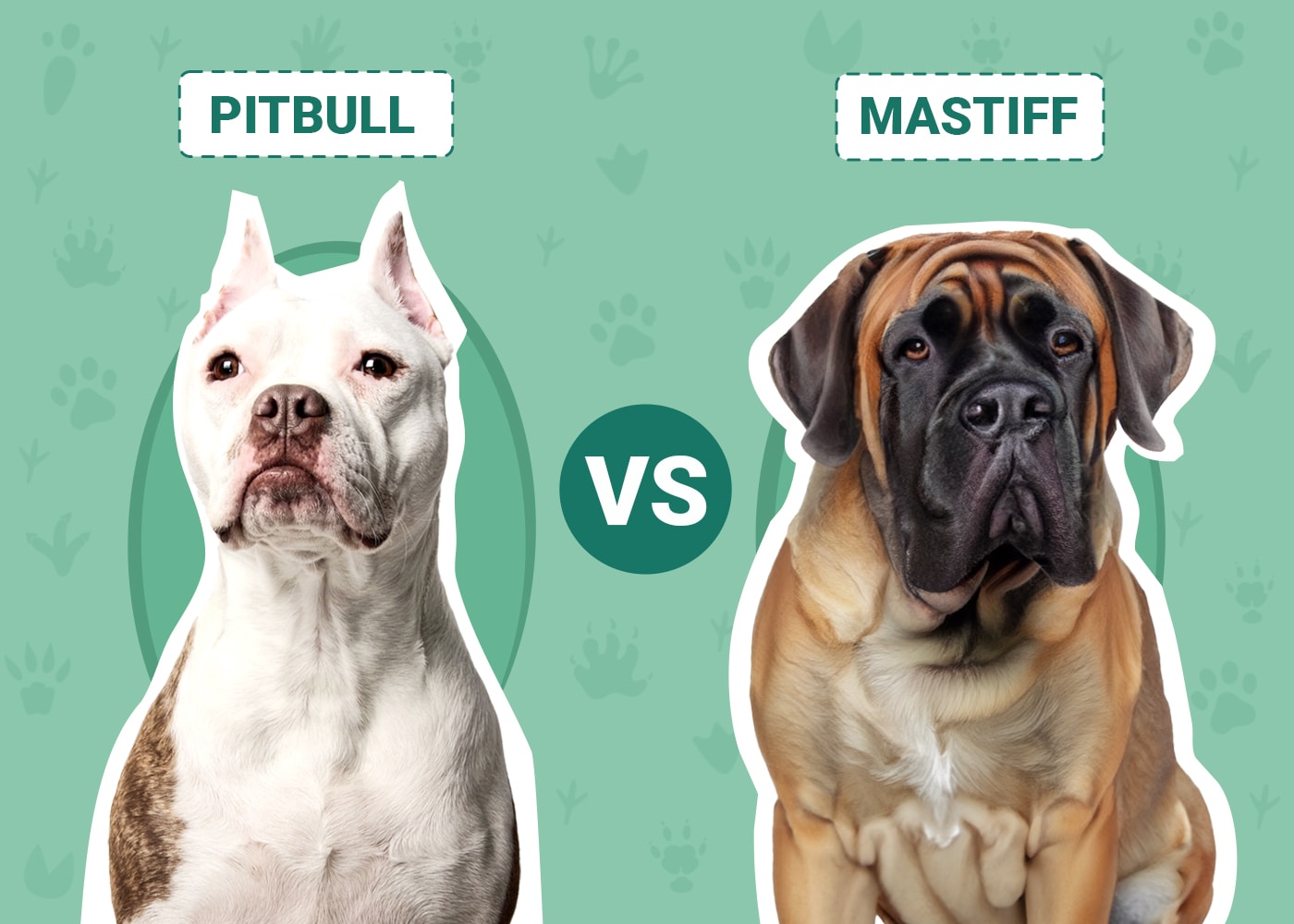
One of the most striking differences between Pitbulls and Mastiffs is their size. Pitbulls are medium-sized dogs, typically weighing between 30 to 60 pounds and standing 17 to 21 inches tall at the shoulder. They have a muscular, athletic build with a wide, powerful chest and a short, smooth coat that comes in various colors, including black, white, brindle, and fawn.
Mastiffs, in contrast, are giant breeds, with some varieties weighing up to 200 pounds or more. The English Mastiff, for example, can stand up to 30 inches tall at the shoulder and weigh between 120 to 230 pounds. Mastiffs have a massive, imposing presence with a broad, heavy head, thick neck, and a short, dense coat that comes in colors such as fawn, apricot, brindle, and black.
Temperament and Personality Traits
Despite their intimidating appearance, both Pitbulls and Mastiffs are known for their gentle, affectionate nature when properly trained and socialized. Pitbulls are often described as friendly, loyal, and energetic. They have a strong desire to please their owners and thrive on human companionship. Pitbulls are also known for their love of children and their ability to form strong bonds with their families. However, due to their history as fighting dogs, Pitbulls may have a higher prey drive and may not always get along with other dogs, especially if they are not properly socialized.
Mastiffs, while equally loving and devoted to their families, tend to have a more laid-back and calm demeanor. They are patient, gentle giants that are excellent with children and make wonderful family pets. Mastiffs are also known for their protective instincts and will naturally guard their home and family. However, they can be wary of strangers and may require proper socialization to prevent aggressive behavior.
Training and Exercise Requirements
Both Pitbulls and Mastiffs require consistent training and socialization from a young age to ensure they develop into well-behaved, balanced dogs. Pitbulls are intelligent and eager to please, making them generally easier to train than Mastiffs. They respond well to positive reinforcement techniques and enjoy learning new tasks and tricks. However, Pitbulls also have a strong will and can be stubborn at times, requiring patience and persistence in their training.
Mastiffs, while intelligent, can be more challenging to train due to their independent nature and stubborn streak. They may require more patience and consistency in their training and can benefit from early socialization to prevent fear or aggression towards unfamiliar people or situations. Mastiffs also have a shorter attention span than Pitbulls and may become bored with repetitive training sessions.
In terms of exercise, Pitbulls have higher energy levels and require more physical activity than Mastiffs. They need daily walks, playtime, and opportunities to run and explore. Pitbulls also excel in canine sports such as agility, obedience, and weight pulling. Without sufficient exercise and mental stimulation, Pitbulls can become destructive or develop behavioral issues.
Mastiffs, while still requiring daily exercise, have lower energy levels and are more content with shorter walks and playtime sessions. They are not built for intense physical activities and can easily overheat due to their massive size. Mastiffs are also prone to joint issues, so it‘s essential to monitor their exercise and prevent excessive strain on their bones and joints.
Health Concerns and Care
Both Pitbulls and Mastiffs are generally healthy breeds, but they are prone to certain health issues that potential owners should be aware of. Pitbulls may be susceptible to hip dysplasia, heart disease, allergies, and skin conditions. They may also be prone to certain cancers, such as mast cell tumors and lymphoma. To keep Pitbulls healthy, regular veterinary check-ups, a balanced diet, and proper exercise are essential.
Mastiffs, due to their large size, are prone to several health issues, including hip and elbow dysplasia, bloat (gastric torsion), heart disease, and eye problems such as cherry eye and entropion. They may also be susceptible to certain cancers, such as osteosarcoma. Mastiffs have a shorter lifespan than Pitbulls, typically living between 6 to 10 years, compared to the Pitbull‘s 8 to 15 years.
In terms of grooming, both Pitbulls and Mastiffs have short, easy-to-maintain coats that require minimal brushing. However, Mastiffs tend to drool more than Pitbulls and may require more frequent cleaning of their face and ears to prevent skin irritation and infections.
Misconceptions and Stereotypes
Unfortunately, both Pitbulls and Mastiffs have been subject to various misconceptions and stereotypes over the years. Pitbulls, in particular, have been unfairly stigmatized as aggressive and dangerous dogs, largely due to their history as fighting dogs and sensationalized media coverage of dog bite incidents. However, research has shown that Pitbulls are no more likely to be aggressive than any other breed, and that factors such as training, socialization, and responsible ownership play a much larger role in a dog‘s behavior than breed alone.
Mastiffs, while not as stigmatized as Pitbulls, may also be perceived as aggressive or intimidating due to their large size and protective nature. However, with proper training and socialization, Mastiffs can be gentle, loving companions that pose no threat to their families or the public.
It is crucial for potential owners of either breed to educate themselves on the facts and to be committed to providing their dog with the training, socialization, and care they need to thrive. By being responsible owners and advocates for their breeds, Pitbull and Mastiff owners can help combat harmful stereotypes and promote a more accurate understanding of these wonderful dogs.
Choosing the Right Breed for You
When deciding between a Pitbull and a Mastiff, there are several factors to consider. These include your lifestyle, living space, experience level, and family dynamics. Pitbulls may be better suited for active individuals or families who can provide plenty of exercise and mental stimulation. They are also more adaptable to smaller living spaces, such as apartments, as long as they receive sufficient daily exercise.
Mastiffs, on the other hand, may be a better fit for more experienced dog owners who have the space and resources to accommodate a giant breed. They are also well-suited for families with children, as they are patient and gentle with kids. However, Mastiffs may not be the best choice for first-time dog owners or those with limited space, as they require a significant amount of room to move around comfortably.
Regardless of which breed you choose, it is essential to research reputable breeders or rescue organizations to ensure you are getting a healthy, well-socialized dog. Adopting from a shelter or rescue can be a rewarding experience, as many Pitbulls and Mastiffs end up in these facilities due to no fault of their own. By providing a loving home to a rescued dog, you can make a positive difference in their life and help combat the overpopulation crisis in shelters.
Conclusion
Pitbulls and Mastiffs are both remarkable breeds with unique histories, characteristics, and care requirements. While they may share some similarities, such as their loving nature and loyalty to their families, they also have distinct differences that make them suitable for different types of owners and living situations.
By understanding the key aspects of each breed, from their physical attributes and temperaments to their training needs and health concerns, potential owners can make an informed decision about which breed is the best fit for their lifestyle and family. Ultimately, the most important factors in a dog‘s behavior and well-being are proper training, socialization, and responsible ownership, regardless of the breed.
Whether you choose a Pitbull or a Mastiff, you can look forward to a devoted, affectionate companion that will bring joy and love to your life for many years to come. By being a responsible owner and advocate for your breed, you can help combat misconceptions and promote a more accurate understanding of these wonderful dogs, ensuring a brighter future for Pitbulls, Mastiffs, and all dogs alike.





)