Pomeranian Temperament: Are Pomeranians Aggressive Dogs?

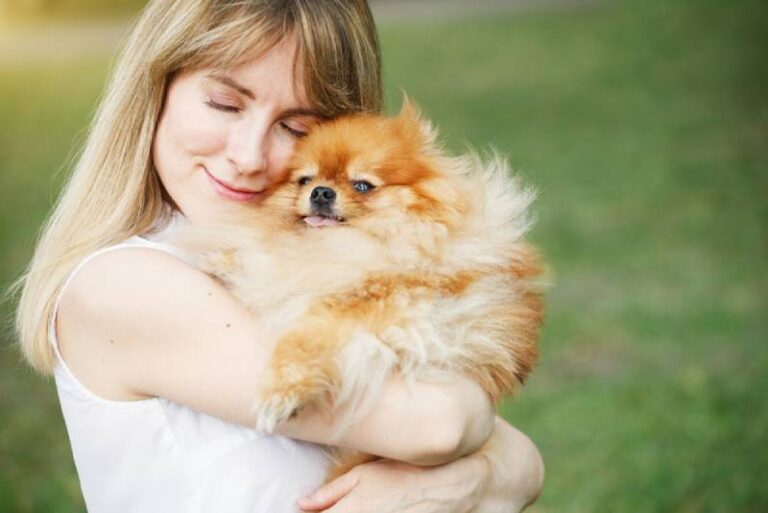
Pomeranians are adorable, fluffy little dogs with big personalities. These spunky pups are a popular companion breed known for their intelligence, loyalty and boldness. But despite their cute teddy bear appearance, some Pomeranians can develop aggressive tendencies if not properly trained and socialized.
So are Pomeranians inherently an aggressive breed? The answer is no – most Pomeranians are friendly, affectionate dogs who get along well with their families and other pets. However, certain individual Poms may be prone to aggression due to a variety of factors. It‘s important for owners to understand the difference between typical Pomeranian behavior and true canine aggression.
Typical Pomeranian Personality Traits
Pomeranians are lively little dogs with a lot of spunk and spirit packed into a tiny body. Some common Pomeranian traits include:
- Intelligence and trainability
- Boldness and courageousness (often acting like they‘re bigger than they are)
- Alert and curious nature
- Loyalty and affection toward their owners
- Playfulness
- Can be independent and stubborn
- Tendency to bark a lot
Most Pomeranians are overall friendly, happy-go-lucky dogs. They bond closely with their owners and are affectionate with family. Many Poms get along well with other dogs and pets when socialized properly from a young age.
However, some Pomeranians can be yappy, overexcitable, nervous and prone to excessive barking without proper training. Their bold nature may lead them to confront much bigger dogs and animals. A lack of socialization and boundaries can cause behavioral issues like aggression to develop.
Defining Aggression in Dogs
What exactly is aggression in dogs? The ASPCA defines aggression as threatening or harmful behavior directed toward another individual – whether that‘s a dog, person or other animal.
Some signs of canine aggression include:
- Growling
- Snarling
- Lunging
- Snapping
- Biting
- Raised hackles
- Bared teeth
- Intense fixed eye contact
It‘s important to distinguish between playful roughhousing or overexcitement and true aggression. Many dogs will growl and nibble in play without intending to cause harm. Barking at strangers or pulling on the leash is also not necessarily aggression.
However, a dog who is growling, lunging, snapping or biting with intent to threaten or injure is displaying aggressive behavior. Aggression is often rooted in fear and insecurity. An aggressive dog will use hostile body language and actions to communicate they want a person or animal to back off.
Estimates suggest that around 20% of dogs exhibit aggressive behaviors – so while not extremely common, it‘s not rare. However, there aren‘t statistics on aggression prevalence specifically in Pomeranians.
Reasons Why a Pomeranian May Develop Aggression
Any dog of any breed can potentially become aggressive under certain circumstances – Pomeranians included. Some Poms are genetically predisposed to anxious or aggressive temperaments. However, most often aggression stems from environmental factors and a lack of proper training and socialization.
Reasons a Pomeranian may act aggressively include:
- Fear and anxiety, often due to a lack of socialization
- Territoriality or overprotectiveness of their home and family
- Resource guarding food, toys, or valued objects/areas
- Negative past experiences like abuse or trauma
- Pain or illness
- Lack of training and boundaries
- Genetic predisposition to aggressive behavior
"Small dog syndrome" may also play a role in Pomeranian aggression. This describes the tendency of small dog owners to not properly train their pups or enforce rules because they think it‘s cute or harmless when a tiny dog misbehaves.
If allowed to bark, lunge, snap and act aggressively without correction, these behaviors will continue into adulthood and escalate. A Pomeranian who hasn‘t been taught boundaries won‘t understand how to properly interact with people and animals, leading to issues like aggression.
Signs of Aggression in Pomeranians
It‘s crucial for Pomeranian owners to recognize the difference between playful and aggressive behaviors. Some key body language signs that indicate a Pom is acting aggressively include:
- Stiff, tense body
- Bared teeth and curled lips
- Growling and snarling
- Snapping and biting with intent to threaten or injure
- Lunging at a person or animal
- Raised hackles (though harder to see on a fluffy Pom)
- Hard, fixed eye contact
- Ears pinned flat against the head
In contrast, a happy playful Pomeranian will have loose, wiggly body language. Some signs of an easy-going friendly Pom include:
- Soft, open mouth
- Enthusiastic tail wagging
- Bringing toys to engage people in play
- "Play bowing" by lowering the front end to the ground
- Rolling over to show belly
- Hopping and dancing around in excitement
Pomeranians who haven‘t been well-socialized may also exhibit nervous, anxious and overreactive behaviors when meeting new people and animals. Some of these signs of discomfort include:
- Hiding or trying to escape
- Shaking and trembling
- Excessive barking
- Pacing
- Yawning
- Lip licking
- Inability to settle
While these aren‘t necessarily signs of aggression, an extremely fearful and anxious dog is more likely to escalate to aggressive behaviors when pushed past their comfort zone. That‘s why it‘s so important to socialize Poms to many positive experiences starting in puppyhood.
What To Do About an Aggressive Pomeranian
As with any behavioral issue, the first step if you notice signs of aggression in your Pomeranian is to consult with your veterinarian. They can examine your dog for any underlying medical problems that may be contributing to the aggressive behavior, such as pain or thyroid dysfunction.
The vet can also refer you to a professional positive reinforcement dog trainer or veterinary behaviorist who can properly evaluate your Pom and develop a behavior modification plan. Never punish or physically correct an aggressive dog, as this will likely make the behavior much worse.
Depending on the severity, managing Pomeranian aggression may involve counterconditioning, desensitization, establishing predictable routines, avoiding triggers, and medication in some cases. Muzzle training can keep everyone safe while working through the issues.
Preventing Aggression Through Training and Socialization
The best way to prevent aggression in Pomeranians is through extensive socialization and training starting from a young age. Proper socialization is the process of exposing a puppy to many new people, animals, places and situations to build confidence and social skills.
Well-socialized puppies are much less likely to develop fear and aggression as adults. Experts recommend puppy socialization classes to teach Poms how to play appropriately with other dogs and accept handling from new people. Obedience training helps establish boundaries and good manners.
It‘s also important to continue socialization throughout a Pomeranian‘s life so they maintain their friendly, easy-going nature. Letting problem behaviors slide because a dog is small and cute will often result in issues like aggression developing.
Examples of Well-Trained Celebrity Pomeranians
Many famous Pomeranians are beloved for their sweet, friendly personalities – a testament to proper socialization and training. Some popular celebrity Poms include:
- Boo, the "world‘s cutest dog" known for his teddy bear looks and happy-go-lucky attitude
- Jiff Pom, who holds world records for his training and has starred in music videos
- Tori Spelling‘s well-behaved Pom, Nutmeg
- Gizmo, the Pomeranian of YouTube stars Jenna Marbles and Julien Solomita
These adorable pups show that Pomeranians are far from inherently aggressive. With the right upbringing and lifelong training, Poms make delightful, friendly companions.
Final Thoughts
To sum it up, Pomeranians are not naturally aggressive dogs. Most Poms are sweet, lively and affectionate companions. However, without proper training and socialization, Pomeranians can develop behavioral issues like territoriality, overexcitement, anxiety and aggression.
Aggression is a serious issue that requires professional intervention and behavior modification under the guidance of a veterinarian or trainer. But in most cases, Pomeranian aggression can be successfully managed or prevented altogether with a commitment to socialization and lifelong training.
By learning to recognize signs of discomfort and aggression, Pom owners can keep their dogs feeling safe and happy. Well-socialized and well-trained Pomeranians are typically friendly, confident and polite pups – not aggressive. With some dedication to their training, Poms can overcome aggressive tendencies and thrive as beloved family companions.