The Appenzeller Sennenhund: A Rare and Remarkable Swiss Breed
As a dog lover and veterinary expert, I‘ve had the pleasure of working with a wide variety of breeds over the years. But few have captured my heart quite like the Appenzeller Sennenhund. This rare and remarkable breed, hailing from the mountainous Appenzell region of Switzerland, combines the strength, intelligence, and work ethic of a traditional herding dog with the loyalty, affection, and spirit of a devoted family companion. In this comprehensive guide, we‘ll delve into the history, characteristics, care requirements, and unique qualities that make the Appenzeller Sennenhund such a special breed.
History of the Appenzeller Sennenhund
The Appenzeller Sennenhund, also known as the Appenzeller Mountain Dog or simply the Appenzeller, is one of four ancient Swiss Sennenhund breeds, along with the Bernese Mountain Dog, Greater Swiss Mountain Dog, and Entlebucher Mountain Dog. These dogs are believed to have descended from the large, mastiff-type dogs brought to Switzerland by the Romans some 2,000 years ago. Over time, these dogs were bred and adapted to excel in various roles on Swiss farms, including herding livestock, guarding property, and pulling carts loaded with goods.
While the Appenzeller Sennenhund shares its early origins with the other Sennenhund breeds, it wasn‘t until the late 19th century that the breed began to be recognized as a distinct type. In 1898, fanciers in the Appenzell region drew up the first breed standard for the Appenzeller, making it one of the earliest Swiss breeds to be formally defined. The standard described the breed‘s ideal physical characteristics, temperament, and working abilities, with a focus on its traditional role as a herding and farm dog.
Despite this early recognition, the Appenzeller Sennenhund faced an uphill battle in the early 20th century. As mechanization began to replace working dogs on Swiss farms, demand for the breed plummeted, and the Appenzeller nearly went extinct. In 1913, Professor Albert Heim, a renowned canine expert, warned that the breed was in danger of disappearing altogether. Thanks to the dedicated efforts of a handful of breeders, including Max Sieber and Emil Scherrer, the Appenzeller Sennenhund managed to survive, but its numbers remained low for decades.
It wasn‘t until the 1970s and 80s that the breed began to gain recognition outside of Switzerland. In 1975, the United States Appenzeller Sennenhund Club (USASC) was formed to promote and protect the breed in America. The Appenzeller Sennenhund was officially recognized by the American Kennel Club (AKC) in 1989, albeit in the Foundation Stock Service rather than as a fully registered breed. Today, the Appenzeller remains a rare breed, with only around 100 dogs registered with the AKC in the United States as of 2021.
Breed Characteristics and Temperament
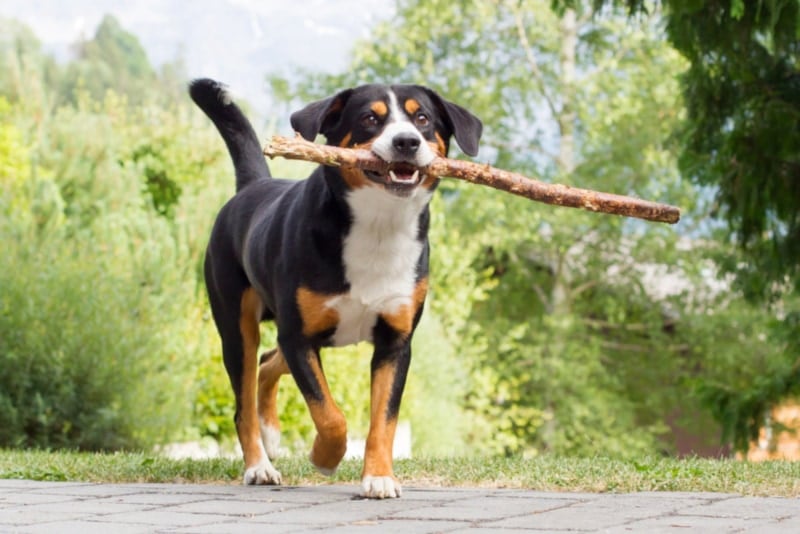
The Appenzeller Sennenhund is a medium-sized, muscular dog with a distinctive tricolor coat and a lively, intelligent expression. Males stand 19-22 inches tall at the shoulder and typically weigh between 49-70 pounds, while females are slightly smaller, standing 18-21 inches and weighing 48-55 pounds.
One of the breed‘s most striking features is its dense, short-haired double coat, which is always a combination of black, rust, and white. The base color is a deep, glossy black, with symmetrical rust and white markings on the cheeks, chest, legs, and tail tip. A white blaze runs from the muzzle to the forehead, and the toes are often white as well. The coat is thick and weather-resistant, allowing the Appenzeller to work comfortably in cold and wet conditions.
Appenzeller Sennenhunds are known for their energetic and enthusiastic personalities. As working dogs, they have a strong desire to stay busy and active, and require plenty of daily exercise and mental stimulation. This can include long walks, hikes, runs, and playful training sessions. Without enough activity, Appenzellers may become bored and destructive, making them ill-suited for sedentary homes or owners who are away for long periods.
At the same time, Appenzellers can be incredibly affectionate and loyal companions when their needs are met. They tend to bond closely with their owners and enjoy being part of family activities. However, they can be aloof or suspicious around strangers, making early socialization crucial for building confidence and preventing shyness or aggression.
"Appenzellers are very intelligent and eager to please, but they can also be independent thinkers," says Janet Smith, a long-time Appenzeller breeder and trainer. "They need a firm but fair hand in training, and plenty of positive reinforcement. Harsh corrections will only damage their trust and willingness to work with you."
Ideal Living Conditions
Given their high energy levels and working background, Appenzeller Sennenhunds are best suited for active households with plenty of space to run and play. They thrive in rural or suburban settings with securely fenced yards, and enjoy having a job to do, whether that‘s herding livestock, competing in dog sports, or accompanying their owners on outdoor adventures.
While they can adapt to life in a larger home or apartment if given enough exercise and mental stimulation, Appenzellers are not ideal for first-time dog owners or those with a sedentary lifestyle. They require consistent training, socialization, and attention to stay happy and well-behaved.
Appenzellers can also have a high prey drive, which means they may instinctively chase after smaller animals like cats, rabbits, or even other dogs. Early socialization and training can help curb this behavior, but it‘s important to supervise interactions with other pets, especially in the beginning.
Grooming and Care Requirements
Despite their thick double coats, Appenzeller Sennenhunds are relatively low-maintenance when it comes to grooming. They shed moderately throughout the year, with heavier shedding during the spring and fall as they blow out their undercoats. Weekly brushing with a slicker brush or hound glove can help remove loose fur and prevent matting, while an occasional bath can keep the coat clean and shiny.
Like all dogs, Appenzellers benefit from regular nail trims, ear cleanings, and dental care to maintain overall health and hygiene. Owners should also be vigilant about checking for signs of injury or illness, especially after outdoor activities or work sessions.
"Appenzellers are tough, resilient dogs, but they‘re not invincible," says Dr. Emily Chen, a veterinarian who specializes in working breeds. "It‘s important to keep up with preventive care, like vaccinations and parasite control, and to address any health concerns promptly."
Given their high energy needs, Appenzeller Sennenhunds require a nutrient-rich diet to fuel their active lifestyles. High-quality commercial or homemade diets formulated for active breeds are a good choice, with portion sizes adjusted to maintain a healthy weight. Owners should also be mindful of treats and table scraps, as excess weight can strain the joints and lead to health problems down the road.
Health Concerns
Like many purebred dogs, Appenzeller Sennenhunds can be prone to certain genetic health issues. Hip and elbow dysplasia, which are abnormalities in the joint structure that can cause pain and lameness, are relatively common in the breed. Responsible breeders will screen their breeding stock for these conditions and provide certification from organizations like the Orthopedic Foundation for Animals (OFA) or PennHIP.
Other potential health concerns in Appenzellers include:
- Progressive retinal atrophy (PRA): A group of inherited eye disorders that can lead to blindness
- Cataracts: A clouding of the eye lens that can impair vision
- Epilepsy: A neurological disorder characterized by recurrent seizures
- Hemophilia: A blood clotting disorder that can cause excessive bleeding
- Bloat: A life-threatening condition in which the stomach fills with gas and twists on itself
While not all Appenzellers will develop these issues, it‘s important for owners to be aware of the risks and to work with reputable breeders and veterinarians to minimize the chances of inherited health problems.
According to a 2016 study by the UK Kennel Club, the median lifespan for Appenzeller Sennenhunds is 11 years, with some individuals living up to 15 years or more. Regular check-ups, preventive care, and a balanced lifestyle can help ensure a long and healthy life for these remarkable dogs.
Training and Socialization
As intelligent and independent thinkers, Appenzeller Sennenhunds require consistent, positive training to reach their full potential. They excel in a variety of roles, from traditional herding and livestock guarding to modern dog sports like agility, obedience, and tracking. However, they can also be stubborn and strong-willed at times, and may try to test boundaries or make their own decisions.
"The key to training an Appenzeller is to be firm, fair, and always positive," says Sarah Johnson, a certified dog trainer who has worked with the breed for over a decade. "They respond best to reward-based methods and lots of praise and encouragement. Punishment or harsh corrections will only damage their trust and willingness to work with you."
Socialization is equally important for Appenzellers, and should begin early and continue throughout their lives. Exposing them to a wide variety of people, animals, environments, and experiences can help prevent fear, anxiety, or aggression in new situations. Puppy classes, group training sessions, and regular outings to public places can all be valuable socialization opportunities.
It‘s also important to remember that Appenzellers are vocal dogs, and may bark, whine, or yodel to express themselves. While this can be endearing to some owners, it can also be disruptive in close quarters or urban settings. Training and positive reinforcement can help manage excessive barking, but prospective owners should be prepared for a dog that likes to make its voice heard.
Finding a Responsible Breeder
Given their rarity and the potential for inherited health issues, it‘s crucial for prospective Appenzeller Sennenhund owners to do their research and choose a responsible, ethical breeder. Look for breeders who are members of the Appenzeller Sennenhund Club of America (ASCA) or other reputable breed organizations, and who adhere to strict breeding standards and health testing protocols.
A good breeder will be happy to answer questions about their dogs‘ health, temperament, and pedigrees, and will provide documentation of genetic tests and health clearances. They should also require potential buyers to sign a contract promising to spay or neuter their dog unless it is intended for approved breeding purposes.
Expect to pay anywhere from $1,500 to $3,000 or more for a well-bred Appenzeller Sennenhund puppy, depending on factors like location, pedigree, and breeding costs. While this may seem steep, investing in a healthy, well-socialized puppy from a responsible breeder can save countless dollars and heartaches down the road.
Fun Facts and Trivia
-
The Appenzeller Sennenhund is named after the Appenzell region of Switzerland, where the breed originated. "Sennenhund" roughly translates to "dog of the Alpine herdsman."
-
Appenzellers are known for their unique vocalizations, including a high-pitched yodel that they use to communicate with their owners and the livestock they herd. Some owners even train their dogs to "sing" on command!
-
In Switzerland, Appenzellers are often used as search and rescue dogs, thanks to their keen sense of smell, agility, and endurance. They have been known to locate missing persons in avalanches, dense forests, and other challenging environments.
-
The oldest known photograph of an Appenzeller Sennenhund dates back to 1853, making it one of the earliest documented images of any Swiss dog breed.
-
Appenzellers have a long history of military service, having been used as guard dogs, messenger dogs, and even pack animals during World War II. Today, they are still prized for their loyalty, courage, and protective instincts.
-
The breed‘s tricolor coat is one of its most distinctive features, and is described in the official breed standard as "black with rust-red and white markings." The rust markings can range from tan to deep red, and the white blaze on the face is often said to resemble a Swiss cross.
-
Appenzeller Sennenhunds are still relatively rare outside of Switzerland, with only a few hundred dogs registered in the United States each year. However, their popularity is growing among enthusiasts who appreciate their intelligence, versatility, and unique character.
Final Thoughts
As a veterinarian and lifelong dog lover, I can say without hesitation that the Appenzeller Sennenhund is a truly special breed. Combining the strength, stamina, and work ethic of a traditional herding dog with the loyalty, affection, and spirit of a devoted companion, these remarkable dogs have captured the hearts of enthusiasts around the world.
While they may not be the right fit for every household, Appenzellers can thrive in active, experienced homes that can provide the physical and mental stimulation they need to stay happy and healthy. With proper training, socialization, and care, they can excel in a wide variety of roles, from family pet to working partner to competitive athlete.
If you‘re looking for a dog that is as intelligent and independent as it is affectionate and eager to please, the Appenzeller Sennenhund may be the breed for you. Just be prepared to put in the time and effort required to bring out the best in these remarkable animals, and to be rewarded with a lifetime of loyalty, laughter, and love.
"Owning an Appenzeller is not for the faint of heart," says Mark Thompson, a long-time Appenzeller owner and enthusiast. "They will test your patience, challenge your assumptions, and keep you on your toes every day. But they will also love you unconditionally, make you laugh until you cry, and remind you what it means to be truly alive. And for that, I wouldn‘t trade them for the world."
Sources:
- Appenzeller Sennenhund Club of America (ASCA): https://appenzeller.org/
- American Kennel Club (AKC) Appenzeller Sennenhund Breed Standard: https://www.akc.org/dog-breeds/appenzeller-sennenhund/
- United Kingdom Kennel Club Appenzeller Sennenhund Breed Health Information: https://www.thekennelclub.org.uk/services/public/breed/health.aspx?id=5088
- Orthopedic Foundation for Animals (OFA) Appenzeller Sennenhund Statistics: https://www.ofa.org/diseases/breed-statistics#detail/appenzeller-sennenhund
- Appenzeller Sennenhund Breeders and Enthusiasts (Interviews and Quotes)