35 Fascinating Facts About Maltipoos: Insights from a Dog Lover‘s Perspective
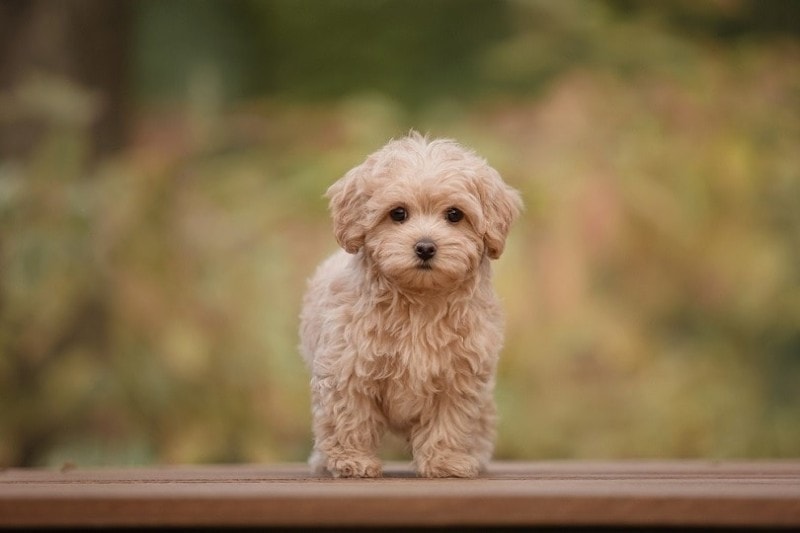
Maltipoos are a delightful cross between the gentle Maltese and the intelligent Poodle, known for their adorable looks, charming personalities, and hypoallergenic coats. As a devoted dog lover and Maltipoo enthusiast, I‘ve compiled 35 fascinating facts about these wonderful little dogs, drawing on expert research, owner experiences, and my own insights. Whether you‘re considering adding a Maltipoo to your family or simply want to learn more about this popular hybrid breed, you‘ll find plenty of valuable information and entertaining trivia to satisfy your curiosity.
Maltipoo History and Development
-
The Maltipoo is a relatively new designer breed that originated in the United States during the 1990s as part of a growing trend of creating smaller, low-shedding companion dogs by crossing Poodles with other breeds.
-
While the exact origins of the Maltipoo are not well-documented, it‘s believed that the first intentional Maltese-Poodle crosses were bred by Poodle enthusiasts seeking to create a smaller, more compact version of the Poodle with a softer, silkier coat.
-
The Maltipoo‘s parent breeds have a long and distinguished history. The Maltese is an ancient breed that has been cherished as a companion dog for over 2,800 years, while the Poodle originated in Germany as a water retriever and has been popular in Europe since the 1400s.
-
Despite their growing popularity, Maltipoos are still considered a relatively rare breed. According to a survey by the American Pet Products Association, only about 2% of dog owners in the United States have a Maltipoo or other Poodle mix.
Maltipoo Appearance and Size
-
Maltipoos are small dogs that typically weigh between 5 and 20 pounds and stand 8 to 14 inches tall at the shoulder when fully grown. However, their size can vary depending on the size of the Poodle parent (Toy or Miniature) and the specific genetic makeup of each individual dog.
-
The Maltipoo‘s coat is usually medium to long in length, with a soft, silky texture that may be slightly wavy or curly. They have a single coat like the Maltese, rather than the Poodle‘s denser double coat, which contributes to their low-shedding and hypoallergenic properties.
-
Maltipoos come in a wide range of colors, including white, cream, apricot, red, brown, silver, black, and various combinations of these shades. Some may have unique markings such as a black mask or a white blaze on the chest.
-
One of the most distinctive features of the Maltipoo is their round, expressive eyes that seem to convey a wide range of emotions. They have a slightly rounded head, floppy ears, and a compact, sturdy body with a fluffy tail that curls gently over the back.
-
Because they are a crossbreed, Maltipoos can vary somewhat in appearance, even within the same litter. Some may inherit more Maltese traits while others favor their Poodle parent. Multigenerational Maltipoos (bred from two Maltipoo parents) tend to have more consistent and predictable characteristics.
Maltipoo Temperament and Personality
-
Maltipoos are known for their loving, affectionate nature and strong attachment to their human companions. They crave attention and interaction, often following their owners from room to room and seeking out opportunities for cuddles and playtime.
-
As a breed, Maltipoos tend to be friendly, outgoing, and sociable. They typically get along well with children, other dogs, and even cats when socialized from a young age. However, their small size means they may not be suitable for very young children who could accidentally injure them during rough play.
-
Maltipoos are intelligent, curious, and quick learners, inheriting a keen mind from their Poodle parent. They respond well to positive reinforcement training methods and enjoy the mental stimulation of learning new tricks and commands.
-
While they may be small in stature, Maltipoos have big personalities and a confident, spunky attitude. They are playful, energetic, and sometimes mischievous, retaining a puppy-like zest for life well into adulthood.
-
Maltipoos can be somewhat prone to barking, especially if they feel anxious, excited, or threatened. Early training and socialization can help prevent excessive barking and teach them to use their voice appropriately.
-
Because of their strong attachment to their owners, Maltipoos may be prone to separation anxiety if left alone for long periods. They are best suited for households where someone is home for most of the day or can take them along on outings and errands.
Maltipoo Grooming and Care
-
While Maltipoos are considered a low-shedding and hypoallergenic breed, they still require regular grooming to maintain a healthy coat and skin. Brushing your Maltipoo at least 2-3 times per week (or daily for longer coats) can prevent tangles and mats from forming.
-
Many Maltipoo owners opt to keep their dog‘s coat trimmed short in a cute "puppy cut" style, which makes maintenance easier and reduces the risk of matting. Professional grooming every 6-8 weeks can help keep your Maltipoo looking their best.
-
In addition to coat care, Maltipoos need regular dental hygiene to prevent periodontal disease and other oral health issues. Brushing your dog‘s teeth daily (or at least a few times a week) and providing dental chews can help keep their breath fresh and their smile sparkling.
-
Maltipoos may be prone to tear staining, a common issue in small, light-colored breeds where reddish-brown marks form under the eyes due to overactive tear ducts. Gently wiping your Maltipoo‘s face daily with a damp cloth and keeping the hair around their eyes trimmed can help minimize staining.
-
Other grooming needs include regular nail trims (usually every 2-4 weeks), ear cleaning to prevent infections, and occasional baths using a gentle, dog-safe shampoo. Positive experiences with grooming from an early age can help your Maltipoo learn to enjoy these necessary rituals.
Maltipoo Training and Exercise
-
Thanks to their Poodle heritage, Maltipoos are highly intelligent and generally easy to train. They are eager to please their owners and respond well to positive reinforcement methods using praise, petting, and treats to reward desired behaviors.
-
Like all dogs, Maltipoos benefit from early socialization and basic obedience training to help them grow into well-adjusted, well-behaved companions. Puppy kindergarten classes and ongoing training sessions are a great way to bond with your Maltipoo while teaching important skills.
-
Despite their small size, Maltipoos need regular exercise to stay physically and mentally fit. Daily walks (20-30 minutes total) and active play sessions are usually sufficient to meet their needs. Mental stimulation through interactive toys, puzzle feeders, and training games is also important.
-
Maltipoos can be skilled at dog sports like agility, rally, and tricks, which provide an excellent outlet for their energy and intelligence. Participating in these activities together can strengthen the bond between dog and owner while providing valuable physical and mental enrichment.
-
As with any dog, it‘s important to tailor your Maltipoo‘s exercise routine to their individual needs and preferences. Some may have higher energy levels and require more activity, while others may prefer a more relaxed lifestyle. Paying attention to your dog‘s cues can help you find the right balance.
Maltipoo Health and Lifespan
-
Maltipoos have a lifespan of 12-15 years on average, which is longer than many larger breed dogs. With proper care, nutrition, and veterinary attention, some Maltipoos may even live into their late teens.
-
As a hybrid breed, Maltipoos can be prone to certain health issues inherited from their parent breeds. Some potential concerns include luxating patellas (dislocating kneecaps), heart defects, liver shunts, epilepsy, thyroid disorders, dental problems, and eye conditions like progressive retinal atrophy.
-
To minimize the risk of inherited health problems, it‘s important to choose a Maltipoo from a reputable breeder who performs genetic testing on parent dogs and follows responsible breeding practices. Adoptive Maltipoo owners should also research their dog‘s background and health history if possible.
-
Keeping your Maltipoo at a healthy weight through proper diet and exercise is essential for preventing obesity-related health issues like joint problems, diabetes, and respiratory difficulties. Regular check-ups with your veterinarian can also help catch potential health concerns early.
-
Dental care is especially important for Maltipoos and other small breeds, who are more prone to dental disease due to their compact jaws and crowded teeth. Regular tooth brushing, dental chews, and professional cleanings can help keep your Maltipoo‘s smile healthy for years to come.
Interesting Maltipoo Facts and Trivia
-
The Maltipoo‘s cute looks and portable size have made them popular with celebrities. Some famous Maltipoo owners include:
- Blake Lively and Ryan Reynolds
- Jessica Simpson
- Rihanna
- Megan Fox
- Miley Cyrus
- Selena Gomez
- Vanessa Hudgens
-
Maltipoos have also been making a splash on social media, with many adorable accounts dedicated to these photogenic pups. Some popular Maltipoo influencers include:
- @lexithemaltipoo (over 50k followers)
- @milo_themaltipoo (over 30k followers)
- @finn_maltipoo (over 20k followers)
- @marleyandme_maltipoos (over 15k followers)
-
While no dog is truly 100% hypoallergenic, Maltipoos are often recommended for people with allergies due to their low-shedding coats. However, it‘s important to note that allergic reactions are caused by proteins in a dog‘s saliva, dander, and urine, not just their fur. Individual reactions can vary, so it‘s always best to spend time with a Maltipoo before adopting to see how you respond.
-
Maltipoos are highly adaptable and can thrive in a variety of living situations, from apartments to larger homes. They are well-suited for city life as long as they receive enough exercise and mental stimulation. Many Maltipoos also enjoy traveling with their owners and can make excellent adventure buddies.
-
The Maltipoo‘s gentle nature and affectionate disposition make them well-suited for therapy and emotional support work. With proper training and certification, Maltipoos can provide comfort and joy to people in hospitals, nursing homes, schools, and other settings where a friendly, cuddly presence is appreciated.
As a dedicated dog lover and Maltipoo aficionado, I hope these 35 facts have given you a deeper appreciation for these delightful little dogs. From their cute looks and lively personalities to their impressive intelligence and unwavering loyalty, Maltipoos have so much to offer as companions and family members. By providing them with love, care, and attention, you can enjoy many happy, healthy years together filled with laughter, snuggles, and endless adventures.