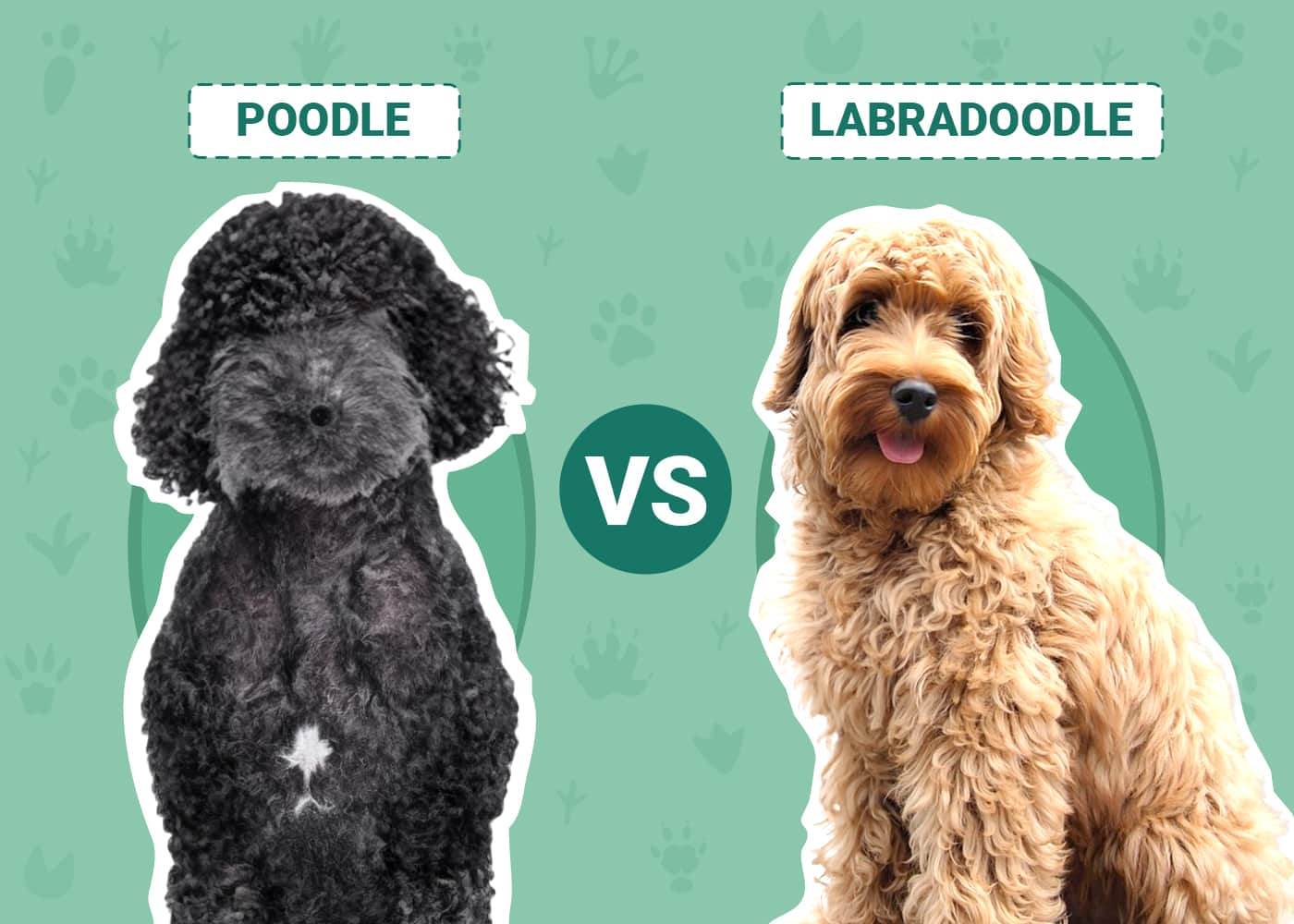
Poodle vs Labradoodle: The Ultimate Comparison Guide for Dog Lovers
As a lifelong dog lover and veterinarian, I know how challenging it can be to choose the right breed. Two popular breeds that often get compared are poodles and labradoodles. While they share some traits, like intelligence and affectionate personalities, there are some key differences every potential owner should know.
In this ultimate guide, we‘ll do a deep dive comparison of poodles and labradoodles, backed by expert knowledge, the latest research, and a true passion for dogs. By the end, you‘ll have all the information you need to confidently decide which of these wonderful breeds is your ideal canine companion. Let‘s get started!
Breed Backgrounds
The Poodle: An Iconic & Versatile Breed
Poodles are an iconic breed with a long, fascinating history. Did you know poodles actually originated in Germany over 400 years ago? They were bred to be retrieving water dogs. Their name comes from the German word "pudelin," which refers to splashing in water.
As poodles‘ popularity spread across Europe, they became favored companions amongst nobility and the wealthy, especially in France. They became known for their fashionable haircuts and circus performing skills. Today, poodles consistently rank among the most popular breeds in the world.
The Labradoodle: A New Breed on the Block
Compared to poodles, labradoodles are a much more recently developed breed. They originated in Australia in 1989. Wally Conron, the breeding manager for the Royal Guide Dogs Association of Australia, bred the first intentional labradoodle by crossing a Labrador retriever with a standard poodle.
His goal was to create a guide dog for a vision impaired woman whose husband was allergic to dog hair. He hoped to combine the Labrador‘s friendly, trainable nature with the poodle‘s hypoallergenic coat. The resulting puppies were a success and the labradoodle breed took off from there.
However, it‘s important to note that "labradoodle" was originally a generic term for any lab/poodle cross. Breeders have since worked to develop the Australian labradoodle and other lines as distinct breeds. But they are not yet recognized by major kennel clubs.
Physical Traits
When it comes to appearance, both breeds are known for their curly coats, floppy ears, and endearingly expressive faces. But there are some physical differences to note.
Size
Poodles come in three size varieties recognized as a single breed:
- Standard – over 15 inches at the shoulder, 45-70 lbs
- Miniature – 10-15 inches, 10-15 lbs
- Toy – under 10 inches, 4-6 lbs
Most labradoodles are bred from standard poodles crossed with Labradors. They typically stand 21-24 inches tall and weigh 50-65 pounds, making them similar to a standard poodle in size.
However, size can vary depending on whether the mini or toy poodle varieties are used. According to the Australian Labradoodle Association, sizes range from:
- Standard – over 21 inches, 50+ lbs
- Medium – 17-21 inches, 30-50 lbs
- Miniature – 14-17 inches, 15-30 lbs
Other Physical Traits
Some other distinguishing physical characteristics to note:
| Trait | Poodle | Labradoodle |
|---|---|---|
| Muzzle | Long, straight | Medium length |
| Eyes | Dark, oval | Round, expressive |
| Build | Square, athletic | Sturdy, slightly longer than tall |
Coats & Grooming
While both breeds are known for their curly coats, there are differences in texture, shedding, and grooming requirements.
Poodle Coats
Poodles have a dense, curly single-layer coat that is virtually hypoallergenic and non-shedding. Their hair grows continuously and requires frequent grooming.
"Poodles need daily brushing to prevent matting and professional grooming every 4-6 weeks to maintain a healthy coat," says Dr. Jerry Klein, Chief Veterinary Officer for the American Kennel Club. "Many owners opt to keep their poodles in a shorter ‘puppy clip‘ to make grooming more manageable."
Labradoodle Coats
Labradoodle coats can vary quite a bit depending on whether they lean more toward the Labrador or poodle side. They are usually low-shedding and allergy-friendly, but this is not always guaranteed.
There are three main labradoodle coat types:
- Hair – More similar to a poodle, with tight curls and minimal shedding. Requires regular brushing and clipping.
- Fleece – A soft, wavy or loosely curled coat that can vary in length. May shed slightly more than the hair coat.
- Wool – The most rare coat type, with a texture similar to lamb‘s wool and virtually no shedding. Has the highest grooming needs.
"Prospective labradoodle owners should be aware that the only way to guarantee a non-shedding, hypoallergenic coat is to adopt an adult dog whose coat type is already known," advises veterinarian Dr. Lynn Buzhardt. "Even then, no dog is truly 100% hypoallergenic."
Temperament & Trainability
Both poodles and labradoodles are prized for their friendly personalities and high intelligence. Let‘s compare their temperaments.
The Poodle Personality
Poodles are known for being very intelligent, loyal, and athletic dogs. They tend to bond especially closely with their owners and can even be prone to separation anxiety if not trained properly.
Poodles‘ intelligence is both a blessing and a challenge. They pick up new skills quickly – often learning a command in just a few repetitions. But they can also get bored and frustrated by repetitive training. Poodles do best when challenged with varied tasks and mentally stimulating games.
Miniature and toy poodles tend to be more prone to barking and nervousness if not well socialized. But a properly raised poodle of any size is a confident, adaptable companion.
The Labradoodle Personality
As a mix of two famously friendly breeds, labradoodles tend to be social, easygoing dogs that get along with everyone. They usually inherit the Labrador‘s goofy, happy-go-lucky nature and love of people.
Labradoodles are also very intelligent, but not quite as intense as poodles. They are eager to please and highly trainable, but a bit more tolerant of repetition. Positive reinforcement brings out their best.
"The labradoodle personality is a winning combination of the Labrador‘s friendliness and the poodle‘s intelligence and intuition," says trainer Victoria Schade. "They tend to be naturals at therapy and service dog work."
Training Tips for Both Breeds
Regardless of which breed you choose, proper training is essential to bring out their best traits and prevent behavior problems. Some tips:
- Start socialization and basic obedience early, ideally by 8 weeks old
- Focus on positive reinforcement with praise, play, and high value treats
- Keep training sessions short, fun, and varied
- Provide plenty of mental stimulation with puzzle toys, games, and tricks
- Socialize abundantly to many people, dogs, and environments
Exercise Needs
As the descendants of active working breeds, both poodles and labradoodles need more than just a quick walk around the block. But how much exercise is enough?
Poodle Exercise
Standard poodles were originally bred to be active, athletic water retrievers. They need at least an hour of vigorous exercise daily, preferably including running, swimming, and retrieving. Poodles also excel at high-energy dog sports like:
- Agility
- Dock diving
- Hunt tests
- Obedience and rally
Miniature and toy poodles still need regular activity and playtime, but not quite as much as standards due to their smaller size. Aim for at least 30-60 minutes a day of walking, playing, and training.
Labradoodle Exercise
With their Labrador heritage, labradoodles tend to have high energy levels and a love of outdoor activity, especially water. Expect to give them at least an hour of exercise daily, more for young dogs. Labradoodles enjoy:
- Hiking and jogging
- Swimming and dock diving
- Games of fetch and tug
- Play sessions with other dogs
Like poodles, labradoodles are also prone to gaining weight if not exercised enough. But with an active lifestyle and proper diet, both breeds maintain lean, athletic physiques well into their senior years.
Health Concerns
One factor every prospective owner should consider is breed health. Let‘s look at the data on genetic issues affecting each breed.
Poodle Health
According to a study by the Orthopedic Foundation for Animals, the most common health issues seen in poodles are:
- Hip dysplasia (12.4% of poodles tested)
- Eye disorders like progressive retinal atrophy (11.2%)
- Thyroid disease (3.9%)
- Epilepsy (2.4%)
Miniature and toy poodles also have a 4-5% incidence of luxating patellas, or trick knee caps. While concerning, these rates are lower than many other purebreds. And responsible breeders screen for these issues to produce the healthiest poodles possible.
Labradoodle Health
Since they are a newer, hybrid breed, labradoodles are generally healthier than purebreds. A 2014 UK Kennel Club survey found that 70% of labradoodle owners reported no health issues in their dogs.
However, labradoodles can still inherit health problems from their parent breeds, including:
- Hip and elbow dysplasia
- Eye disorders like progressive retinal atrophy
- Thyroid disease
- Skin allergies
- Ear infections
The Labradoodle Health Foundation recommends that breeders perform hip, elbow, eye, and genetic testing on all breeding dogs. Prospective owners can minimize risk by choosing a breeder who follows these guidelines.
Cost Comparison
Both poodles and labradoodles are in high demand, so prices can be steep. Here‘s what you can expect to pay.
Poodle Cost
The average prices for poodle puppies from reputable breeders are:
- Standard – $700-$1500
- Miniature – $1000-$2000
- Toy – $1200-$2500+
Miniature and toy poodles command higher prices because they are more difficult to breed. But beware of any breeder charging much more or less than these averages. High prices may be a sign of a puppy mill, while low prices often mean the breeder has cut corners on health testing and care.
Labradoodle Cost
Most labradoodles from reputable breeders cost $1500-$3000+. Prices may be higher for rare color patterns, mini or toy sizes, and proven therapy or service lines. But again, beware of extremes in either direction.
In addition to purchase price, be sure to budget for first year puppy expenses. According to the American Pet Products Association, the average costs are:
| Expense | Average Cost |
|---|---|
| Food & Treats | $250-400 |
| Veterinary Care | $600-900 |
| Supplies (crate, bed, leash, etc.) | $200-400 |
| Training & Grooming | $500-1200 |
| Total | $1550-2900 |
While these costs may seem daunting, remember that a well-bred, well-raised poodle or labradoodle can provide over a decade of priceless companionship and joy.
Making Your Choice
Poodles and labradoodles are both wonderful breeds for active, engaged owners. As a veterinarian and lifelong dog lover, I‘ve seen both thrive as cherished family companions.
If you want a stylish, elegant dog with a rich history and fierce intelligence, the poodle may be your perfect match. They can be aloof with strangers, so plenty of socialization is key. Plan on keeping their minds busy with advanced training and tricks.
If your ideal dog is a social butterfly that loves everyone they meet, consider the labradoodle. They have the Labrador‘s signature friendliness combined with the poodle‘s smarts and intuition. Labradoodles are a top choice for therapy and service work.
Both breeds need plenty of exercise, mental stimulation, and interaction with their people. If you can provide an hour or more a day of walking, training, and play, you‘ll be rewarded with a loyal, loving companion.
Whichever breed you choose, look for a responsible breeder who health tests and prioritizes temperament. And remember, every dog is an individual! Take time to interact with adult dogs and puppies to find the right personality to be your forever friend.