Preparing Your Dog for Spay or Neuter Surgery: When to Stop Food and Water
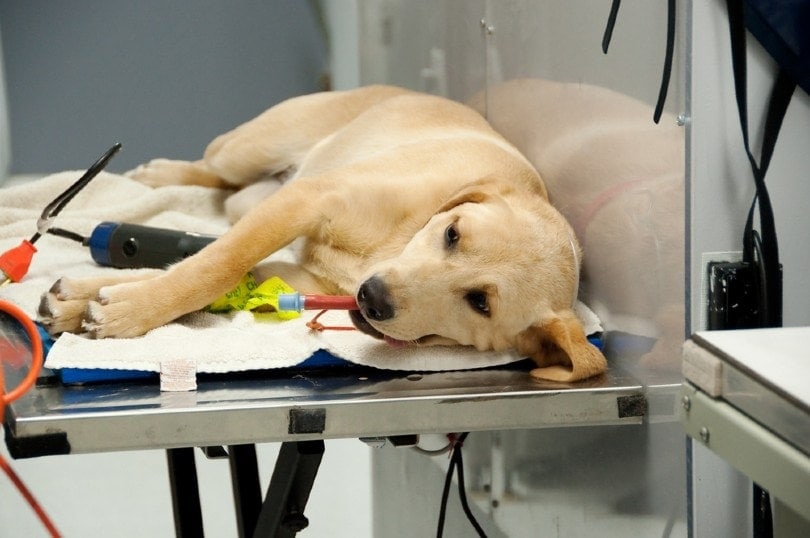
As a dog lover and responsible pet owner, you want to ensure your furry friend has the safest possible experience when undergoing a spay or neuter procedure. While the surgery itself is routine and performed frequently at most veterinary clinics, taking proper pre-operative precautions is crucial for reducing anesthetic risks and promoting a smooth recovery. One of the most important considerations? Fasting your dog prior to surgery.
Skipping breakfast on the day of a procedure can feel oddly cruel as a dog owner – we‘re so accustomed to ensuring our pets never miss a meal! But withholding food and water at very specific intervals before surgery is key for preventing serious complications, namely aspiration pneumonia.
The general guideline is to stop food around 12 hours before anesthesia and take up the water bowl the morning of surgery. However, your vet‘s exact instructions will depend on your dog‘s age, breed, health status, and the clinic‘s anesthetic protocols. Here‘s a closer look at why fasting matters so much before a spay or neuter, with tips for making it manageable for you and your dog.
Why Fasting is Crucial Before Anesthesia
The primary reason your veterinarian will insist on an empty stomach leading up to surgery comes down to preventing aspiration. Aspiration pneumonia occurs when food, liquid, or vomit is inhaled into the lungs while a dog is under anesthesia. It can lead to serious respiratory issues and may even be life-threatening.
You see, the drugs used to sedate dogs for surgery depress the body‘s natural protective reflexes, including those that prevent regurgitation and aspiration of stomach contents. So if there‘s food or a significant volume of water hanging out in your dog‘s stomach when anesthesia kicks in, it can easily reflux up the esophagus, be inhaled into the airways, and wreak havoc on the lungs.
Just how common is aspiration under anesthesia? One study found that out of 1,015 canine patients undergoing sedation, 17 developed aspiration pneumonia – an incidence rate of 1.7% (Ovbey 2014). Those odds sound low, but given the potential severity of aspiration, most vets prefer not to take chances by anesthetizing a dog with a belly full of breakfast.
An empty gastrointestinal tract also makes the spay surgery itself go more smoothly. An ovariohysterectomy involves an incision into the abdomen to remove the uterus and ovaries. The less distention there is from recently eaten food, the better visualization and access the vet has. This allows for a smaller incision and quicker procedure.
When to Remove Food
For healthy adult dogs, it‘s generally recommended to withhold food starting 8-12 hours before a surgery involving general anesthesia (AAHA 2020). Since most spay and neuter procedures are scheduled first thing in the morning, this usually means picking up your dog‘s food bowl after dinner the night before – ideally no later than 10 pm for a dog going in for surgery at 8 am.
Puppies under 6 months of age and toy breeds prone to hypoglycemia may need a modified fasting schedule of just 6 hours before surgery (Koenig 2018). If you have a young small-breed dog undergoing a spay or neuter, ask your vet for specific food instructions based on their age, size, and procedure time.
It‘s also important to remember to restrict access to treats, chews, bones, puzzle toys containing food, and edible toys like rawhides during the pre-surgery fast. Basically, if it‘s a source of calories, it‘s off-limits past bedtime the night before the big day.
Keep in mind that withholding food doesn‘t just apply to what you directly offer your dog. Make sure any kitchen waste bins are securely closed and there‘s no accessible food waste or table scraps your dog could scavenge for a midnight snack. If you have other pets who free-feed, you may need to temporarily take up their food bowls overnight as well to prevent unsupervised pre-surgery snacking.
Water Intake Before Surgery
While the food cutoff time tends to be consistent across most veterinary practices, there‘s a bit more variation in protocols for pre-surgery water access. Some vets prefer dogs to go without water starting around midnight before morning surgery, while others allow free access to water overnight with a final small drink allowed around 6 am.
Refraining from drinking water for a prolonged period before surgery can help reduce the fluid volume in the stomach and lower the risk of vomiting or reflux under anesthesia. One study comparing 12 vs 18 hours of pre-op fasting found no significant difference in stomach fluid volume at the time of surgery, suggesting a 12-hour fast from food and water is sufficient in most cases (Savvas 2009).
When it comes to your individual dog, the safest bet is to adhere to your vet‘s specific recommendations for when to pull up the water bowl. Generally, the only dogs who may be allowed to drink closer to surgery time are very small breeds or young puppies prone to dehydration or hypoglycemia.
If your vet does give the okay for your dog to have an early morning drink on surgery day, provide only a small volume of water – think a few laps or 1/4 cup rather than free access to a full bowl. The goal is to keep them hydrated without overloading the stomach. Then take the bowl up at the time your vet advises, which may be anywhere from 2-6 hours before the procedure.
Risks of Drinking Too Much Pre-Surgery
Many dogs have a strong drive to tank up on water first thing in the morning, whether due to thirst from not drinking overnight or an instinctive desire to fill the belly on an empty stomach. And some pups get extra guzzle-happy when they realize something unusual is going on – like being denied breakfast and having their humans fussing over them more than normal.
But overhydrating right before anesthesia is risky business. The more fluid a dog has sloshing around in their stomach when those sedation drugs hit, the higher probability that fluid will end up places it shouldn‘t – like the lungs. In fact, one study found that a whopping 55% of dogs experienced reflux of stomach contents during anesthesia, with 42% having observable regurgitation (Galatos 2002). While not every reflux episode leads to aspiration, it significantly increases the chances.
To play it safe, keep a close eye on your dog‘s water intake during the hours immediately before surgery. If they do manage to sneak in more than a few slurps behind your back, alert the vet when you arrive so they can make an informed decision as to whether it‘s prudent to proceed with anesthesia or delay the procedure until your dog has properly fasted.
Managing Multi-Dog Households
Juggling pre-surgery restrictions gets even trickier in homes with multiple canine residents. If your other dogs typically free-feed, you‘ll need to take steps to prevent your aspiring surgery patient from joining in the buffet once their own food gets cut off.
Ideas for "fasting-proofing" communal living spaces include:
- Feeding non-fasting dogs in a separate room behind a closed door or baby gate
- Using timed electronic feeders that only open for specific pets‘ microchips
- Monitoring post-dinner time together and separating dogs before bedtime
- Crating the fasting dog overnight and during morning feeding times for other pets
- Removing access to food-dispensing toys or long-lasting chews in common areas
With some creative management (and maybe a little bribery in the form of short-lived chew treats or a special non-food toy), you can keep your spay/neuter candidate honest about their prescribed fast without upending the whole pack‘s daily feeding routine.
What to Do If Your Dog Slips Up
Let‘s be real – even the most conscientious dog owners sometimes have pre-surgery snafus. Your pup is an eager beaver who wolfs down their dinner in 2.5 seconds and snarfs up their feline sibling‘s crunchies before you can intervene. Or your partner, bless their heart, forgets the memo about no breakfast and gives your dog their usual A.M. kibble scoop on surgery day. Oops happen!
The key is to alert your vet ASAP if your dog does ingest anything outside the fasting window. The clinic team will let you know whether it‘s a deal-breaker for moving forward with surgery that day or something minor that won‘t impact anesthesia safety. Most vets understand that perfectly executed fasts aren‘t always feasible and can be flexible if needed.
Generally speaking, a few illicit pre-dawn kibbles probably aren‘t a catastrophe – though certainly not ideal. But if your dog scarfs a full meal or bowl of water within 8-10 hours of their scheduled procedure, it‘s safest to postpone until another day when they can fast properly. Yes, it‘s a bummer to have to reschedule after mentally preparing yourself (and your pup) for surgery! But it beats the heck out of watching your dog struggle through aspiration pneumonia recovery.
Tips for a Low-Stress Fasting Experience
Okay, so you‘re committed to ensuring your precious pup‘s stomach is clear come surgery time. But oof – it‘s hard to resist those pleading puppy dog eyes when your faithful companion is clearly hangry about the unfilled food bowl! Some tips for surviving the pre-op fast with minimal distress on both ends of the leash:
- When scheduling the procedure, aim for the earliest possible surgery slot so your dog isn‘t fasting longer than needed.
- Ask your vet about giving any pre-existing daily medications the morning of surgery. Some can be safely administered with a small treat.
- Offer a high-value chew like a bully stick or frozen Kong right after your dog‘s last meal to help keep them occupied longer overnight.
- Try an interactive food-free puzzle toy or long-lasting chew to distract your dog from hunger in the morning.
- Take your pup for a quiet walk or some low-key playtime before leaving for the clinic to help them relax.
- At morning drop-off, remember to bring your dog‘s favorite comfort item like a blanket or well-worn plushie to help them feel secure at the vet‘s office.
The Bottom Line
Withholding food and water prior to surgery feels counterintuitive as a dog lover, but it‘s truly one of the kindest things you can do for your pup‘s health and comfort during a spay or neuter procedure. By giving your dog‘s body the 8-12 hour digestive reset it needs before anesthesia, you‘re drastically reducing scary risks like aspiration pneumonia or regurgitation on the surgery table.
Of course, always defer to your veterinarian‘s exact pre-surgery guidelines when it comes to the timing of your dog‘s last meal and drink before the big snip. But in general, expect to set a strict kibble cutoff after dinner the previous evening and to restrict water intake starting early the morning of the procedure.
No, your four-legged bestie isn‘t going to be thrilled about the unplanned intermittent fasting routine! But with some strategic distraction and TLC, you can both power through the hungry hours like champs. Before you know it, your precious pup will be back to nomming their favorite noms – and set up for a lifetime of happier, healthier adventures by your side.