Sheltie Health Problems: A Comprehensive Guide for Dog Lovers
Introduction
Shetland Sheepdogs, or Shelties, are beloved companions known for their intelligence, loyalty, and agility. These beautiful dogs have transitioned from their origins as hard-working herding dogs on the Shetland Islands of Scotland to cherished family pets and skilled competitors in various dog sports. As a Sheltie owner and dog lover, it is essential to be aware of the potential health problems that can affect this breed. By understanding these issues and taking proactive steps to promote your Sheltie‘s well-being, you can help ensure a long, happy, and healthy life for your furry friend.
In this comprehensive guide, we will delve into the most common Sheltie health problems, exploring their symptoms, diagnosis, treatment options, and preventive measures. We will also discuss the emotional and financial impact of dealing with a Sheltie‘s health issues and provide resources for support and guidance. Additionally, we will examine the role of responsible breeding in promoting the overall health of the Sheltie population and share insights from veterinarians specializing in Sheltie health.
Common Sheltie Health Problems
1. Eye Problems
Shelties are prone to several eye conditions, with Collie Eye Anomaly (CEA) being one of the most prevalent. CEA is a congenital disorder that affects the development of the retina, choroid, and sclera. According to a study by the Canine Eye Registration Foundation (CERF), approximately 12% of Shelties are affected by CEA (Source: CERF Data Report, 2019).
| Eye Condition | Prevalence in Shelties |
|---|---|
| Collie Eye Anomaly (CEA) | 12% |
| Progressive Retinal Atrophy (PRA) | 2-3% |
| Cataracts | 2-4% |
Source: CERF Data Report, 2019; American Shetland Sheepdog Association
CEA is caused by a recessive genetic mutation, which means that a Sheltie must inherit the mutation from both parents to be affected. Genetic testing is available to identify carriers of the CEA mutation, allowing breeders to make informed decisions and reduce the incidence of this condition in the breed.
Progressive Retinal Atrophy (PRA) is another inherited eye disorder that leads to gradual vision loss and eventual blindness. Symptoms usually appear between 3 and 5 years of age and can be diagnosed through an electroretinogram (ERG) or genetic testing. While there is no cure for PRA, affected dogs can maintain a good quality of life with a consistent, safe living environment and supportive care from their owners.
2. Hip Dysplasia
Hip dysplasia is a common orthopedic issue in Shelties, causing pain, lameness, and reduced mobility. According to the Orthopedic Foundation for Animals (OFA), approximately 4.5% of Shelties screened for hip dysplasia are affected (Source: OFA Hip Dysplasia Statistics, 2021).
| Breed | Prevalence of Hip Dysplasia |
|---|---|
| Shetland Sheepdog | 4.5% |
| Golden Retriever | 20.8% |
| German Shepherd | 18.5% |
| Labrador Retriever | 11.7% |
Source: Orthopedic Foundation for Animals Hip Dysplasia Statistics, 2021
While the incidence of hip dysplasia in Shelties is lower than in some larger breeds, it is still essential for breeders to screen their breeding stock and follow responsible breeding practices to minimize the risk. Puppy buyers should also research breeders carefully and ask about hip dysplasia screening results for the parents and grandparents of prospective puppies.
3. Hypothyroidism
Hypothyroidism is an endocrine disorder that affects Shelties, causing a range of symptoms such as weight gain, lethargy, and skin issues. According to a study published in the Journal of Veterinary Internal Medicine, the prevalence of hypothyroidism in Shelties is estimated to be 2.7% (Source: J Vet Intern Med, 2016).
Diagnosis of hypothyroidism involves blood tests measuring thyroid hormone levels, and treatment typically consists of lifelong thyroid hormone replacement therapy. As a Sheltie owner, it is essential to be aware of the signs of hypothyroidism and to work closely with your veterinarian to manage the condition effectively.
4. Epilepsy
Idiopathic epilepsy is a seizure disorder that affects Shelties, with seizures usually beginning between 6 months and 3 years of age. The exact prevalence of epilepsy in Shelties is not well-established, but a study published in the Journal of Veterinary Internal Medicine found that Shelties had a higher risk of epilepsy compared to mixed-breed dogs (Source: J Vet Intern Med, 2015).
Treatment for epilepsy often involves anti-seizure medications, which can effectively control seizures in most cases. However, lifelong management is necessary, and regular monitoring is essential to ensure the medication remains effective and to minimize side effects.
As a Sheltie owner, it is crucial to work closely with your veterinarian to develop an individualized treatment plan and to learn how to recognize and respond to seizures. Joining a support group for owners of dogs with epilepsy can also provide valuable guidance and emotional support.
5. Dermatomyositis
Dermatomyositis is an inherited inflammatory condition that affects the skin and muscles, primarily in young Shelties and Collies. According to a study published in the Journal of Veterinary Internal Medicine, the prevalence of dermatomyositis in Shelties is estimated to be 1.2% (Source: J Vet Intern Med, 2019).
Symptoms of dermatomyositis include skin lesions, crusting, and scaling, as well as muscle inflammation and atrophy. The condition is diagnosed through skin and muscle biopsies, and treatment involves immunosuppressive medications, topical therapies, and avoiding excessive UV light exposure.
Breeding dogs affected by dermatomyositis is strongly discouraged to prevent passing on the genetic predisposition to future generations. As a Sheltie owner, it is essential to be aware of the signs of dermatomyositis and to seek veterinary care promptly if you suspect your dog may be affected.
Prevention and Care
Choosing a Reputable Breeder
One of the most crucial steps in promoting the health and well-being of Shelties is to choose a reputable breeder who prioritizes the breed‘s health and follows responsible breeding practices. The American Shetland Sheepdog Association (ASSA) maintains a list of recommended health tests for the breed, including:
- Hip dysplasia screening
- Eye examinations
- Thyroid function testing
- MDR1 genetic testing
- von Willebrand‘s Disease (vWD) testing
When searching for a Sheltie breeder, look for one who performs these recommended health tests on their breeding stock and is transparent about the results. Responsible breeders will also provide a written health guarantee and be available to answer questions and offer support throughout your Sheltie‘s life.
Regular Veterinary Care
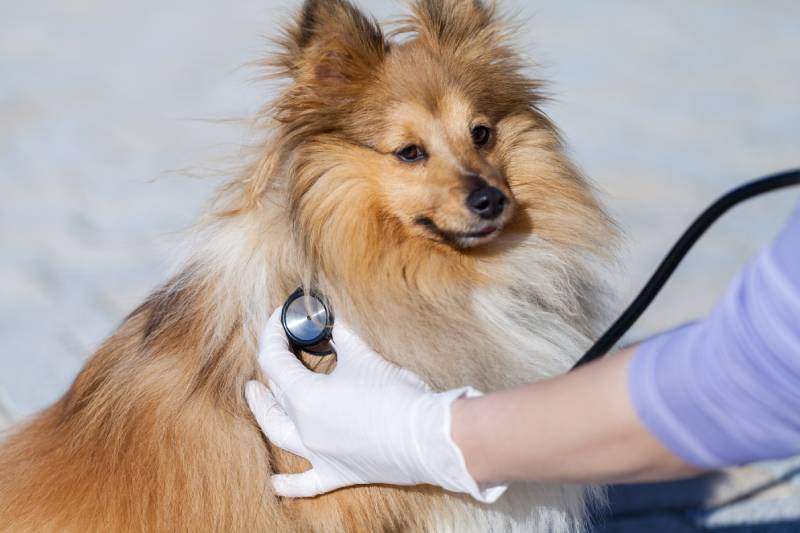
Regular veterinary check-ups are essential for maintaining your Sheltie‘s health and catching potential issues early on. During these visits, your veterinarian will perform a comprehensive physical examination, update vaccinations, and discuss parasite prevention and dental care.
It is also important to establish a good relationship with your veterinarian and to feel comfortable discussing any concerns or questions you may have about your Sheltie‘s health. Your veterinarian can provide valuable guidance on nutrition, exercise, grooming, and other aspects of your Sheltie‘s care.
Nutrition and Exercise
Providing your Sheltie with a high-quality, age-appropriate diet is essential for maintaining optimal health. Look for a diet that meets the nutritional requirements for your Sheltie‘s life stage and activity level, and avoid overfeeding to prevent obesity.
Regular exercise is also crucial for keeping your Sheltie physically and mentally healthy. Shelties are active, intelligent dogs that require daily walks, playtime, and mental stimulation. Engaging in activities such as obedience training, agility, and herding can provide both physical exercise and mental enrichment for your Sheltie.
Emotional and Financial Impact
Dealing with a Sheltie‘s health issues can be emotionally and financially challenging for owners. The bond between a Sheltie and their owner is strong, and seeing your beloved companion in pain or struggling with a chronic condition can be heartbreaking.
In addition to the emotional toll, the financial cost of veterinary care, medications, and potential surgical interventions can be substantial. It is essential for Sheltie owners to be prepared for these potential expenses and to consider options such as pet health insurance or setting aside a dedicated savings account for veterinary emergencies.
Seeking support from other Sheltie owners who have experienced similar health challenges can be invaluable. Many online forums and social media groups are dedicated to Sheltie health and well-being, providing a platform for owners to share experiences, offer advice, and support one another.
Conclusion
As a Sheltie owner and dog lover, understanding the potential health problems that can affect this beloved breed is essential for ensuring your furry friend‘s well-being. By staying informed, working with reputable breeders, and providing proactive care, you can help your Sheltie live a long, happy, and healthy life.
Regular veterinary care, a balanced diet, appropriate exercise, and a loving home are the foundation for promoting your Sheltie‘s health. By being aware of the signs and symptoms of common health issues and seeking prompt veterinary care when necessary, you can catch potential problems early and provide your Sheltie with the best possible outcome.
Remember, the bond you share with your Sheltie is a special one, and prioritizing their health and happiness is a testament to the love and devotion you have for your four-legged companion. With the right knowledge, care, and support, you and your Sheltie can enjoy many wonderful years together, creating cherished memories along the way.