
Silkyhuahua (Silky Terrier & Chihuahua Mix): Pictures, Guide, Info, Care & More!

Introducing the Silkyhuahua: Your Guide to the Spirited Silky Terrier Chihuahua Mix
Are you looking for a petite pooch with a big personality? Meet the Silkyhuahua—a cross between a purebred Chihuahua and a Silky Terrier. This spunky little hybrid inherits some of the best traits from both parent breeds, combining the portable size and devoted nature of the Chihuahua with the silky coat and spunky terrier temperament of the Silky. The result is an entertaining, energetic companion that‘s sure to keep you on your toes!
In this comprehensive guide, we‘ll dive into everything you need to know about the Silkyhuahua, from their history and physical characteristics to their care requirements and ideal home environment. Whether you‘re seriously considering adding one of these designer dogs to your family or are simply curious to learn more, read on for an in-depth look at this unique hybrid.
The Origin of the Silkyhuahua
Like many newer hybrid mixes, the exact origins of the Silkyhuahua are a bit of a mystery. However, it‘s thought that breeders began intentionally crossing Chihuahuas and Silky Terriers in the United States sometime in the last 20-30 years, likely in an attempt to create a dog that combined the most desirable traits from each parent breed.
As "designer dogs" (the offspring of two different purebred parents) started gaining popularity in the 1990s and early 2000s, demand grew for ever-more unusual mixes. The Silkyhuahua emerged as a way to bring together the small stature and charming looks of the Chihuahua with the silky coat and feisty terrier personality of the Silky Terrier.
While this hybrid isn‘t as common as some other small breed mixes like the Cavachon or Yorkipoo, their numbers have grown steadily in the last decade. Silkyhuahuas are recognized by a number of hybrid breed registries including the American Canine Hybrid Club, Designer Breed Registry, and more.
Silkyhuahua Size and Appearance
The Silkyhuahua is a tiny dog through and through. Most weigh just 4-10 pounds and stand 7-10 inches tall at the shoulder when fully grown. Of course, their exact size can vary a bit depending on whether they take after their Chihuahua or Silky Terrier parent more.
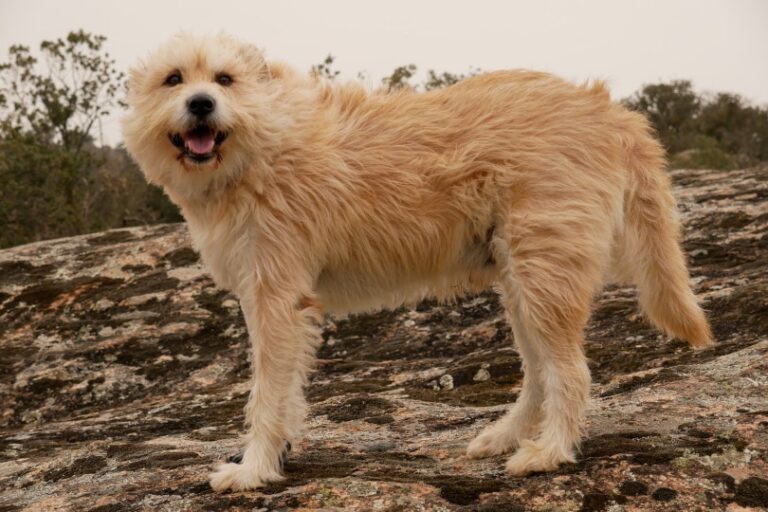
One of the big reasons for the Silkyhuahua‘s growing popularity is their adorable appearance. They usually sport the rounded apple head, large erect ears and big, expressive eyes of a Chihuahua, paired with a slightly longer muzzle and the feathery, silky coat of the Silky Terrier.
Their coat is one of their most distinguishing features and is usually long and soft, ranging in color from white, cream, and gold to black, blue, and chocolate. Some may have a combination of colors like the black and tan markings commonly seen in Silky Terriers.
Since the coat type can vary from dog to dog depending on which parent they favor, Silkyhuahua coats can range from short and smooth to long and fluffy, with many falling somewhere in between. While less common, some have more of a wiry terrier-like texture to their fur.
Generally Silkyhuahuas are single-coated and shed minimally compared to some other long-haired breeds. However, they still need regular brushing to keep their coat free of tangles and mats.
Silkyhuahua Personality and Temperament
While their appearance is certainly captivating, it‘s the Silkyhuahua‘s larger-than-life personality that really wins over fans. These pint-sized pups pack a lot of spunk, smarts and spirit into their tiny bodies.
Like their Chihuahua parent, Silkyhuahuas tend to be extremely devoted to their favorite humans and will often bond very closely with one person in particular. They thrive on attention and affection from their owners and will shadow you from room to room throughout the day. While charming, their devotion can veer into clinginess if not kept in check, so encouraging independence through training is important.
True to their terrier lineage, Silkyhuahuas are alert, inquisitive and always on the go. They have a strong prey drive and love a good game of chase, whether it‘s with a toy, another dog, or a backyard squirrel. Their playfulness and zest for life is infectious, but it also means they need an outlet for all that mental and physical energy.
Because of their big personalities and tendency to be suspicious of strangers, Silkyhuahuas require plenty of socialization from an early age to ensure they grow up to be confident, well-adjusted dogs. They can be prone to "small dog syndrome" if allowed to get away with naughty behaviors like barking excessively, guarding food/toys or nipping.
Like Chihuahuas, the Silkyhuahua‘s preferred place is right by your side, whether that‘s snuggled on the couch or out and about on adventures. They can adapt well to many different lifestyles but do best with owners who are home often and can give them plenty of attention throughout the day.
Due to their diminutive size and terrier tenacity, the Silkyhuahua is usually better suited to homes with adults or families with older children who know how to respectfully interact with a small dog. They can get along well with other dogs but will need slow, careful introductions and supervision to curb any "big dog" tendencies and prevent scuffles.
Caring for Your Silkyhuahua
Now that you know what to expect in terms of the Silkyhuahua‘s appearance and temperament, let‘s dive into the nitty gritty details of caring for one of these tiny terrier mixes.
Feeding:
As a small breed, Silkyhuahuas have high metabolisms and need a diet that‘s nutrient-dense and easy to digest. Look for a high-quality small breed formula with plenty of protein from whole meat sources as well as healthy fats, fruits and veggies. Avoid any foods with fillers, byproducts or artificial additives.
Most do best with scheduled meals 2-3 times per day rather than free feeding to maintain a healthy weight. Check with your vet to determine the appropriate portion sizes and stick to a consistent routine. Go easy on the treats and people food to avoid packing on extra pounds.
Exercise:
Silkyhuahuas may be small, but they‘re mighty when it comes to exercise. These energetic little dogs need at least 30-60 minutes of physical activity per day, broken up into a couple brisk walks and active playtime.
Because of their petite size, Silkyhuahuas can wear out quickly, so several shorter spurts of exercise are usually better than one long outing. Mix things up with games of fetch, hide and seek or teaching new tricks to keep them mentally stimulated too.
While they can adapt to apartment living, Silkyhuahuas do best with a small, securely fenced yard where they can burn off some steam. Never leave them outside unsupervised though, as their high prey drive and fearless nature can get them into trouble quick.
Grooming:
One of the biggest attractions of the Silkyhuahua is their gorgeous coat, but it does require some maintenance to keep it looking its best. Plan on brushing them at least 2-3 times a week (more often if their coat is longer) with a pin brush or metal comb to prevent mats and tangles.
Baths can be done every 4-6 weeks or as needed with a gentle, sulfate-free shampoo made for dogs. Brush first to remove any knots and work the shampoo into a nice lather, being careful to avoid the eyes and ears. Rinse thoroughly and make sure they‘re completely dry before letting them loose, as Silkyhuahuas can get cold easily.
Their nails will need trimming every 2-4 weeks to keep them short and tidy. If you can hear them clicking on hard floors, they‘re probably due for a clip. Don‘t forget to brush their teeth several times a week too to ward off dental disease, a common concern in small breeds.
Training:
Like any dog, the Silkyhuahua needs early, consistent training to become a well-mannered member of the family. The good news is, they‘re generally quite intelligent and eager to please, so training usually goes quickly if you use positive reinforcement methods.
Start with basic obedience like sit, stay, come and leave it, practicing in short sessions a few times a day. Keep things fun and upbeat, using plenty of praise and small, pea-sized treats to reward them for getting it right. Silkyhuahuas can have a bit of a stubborn streak, so patience and consistency are key.
Because of their tendency to be yappy and suspicious of strangers, socialization is also crucial for this breed. Get them used to new people, places, sights and sounds from an early age by taking them on outings, enrolling in a puppy class and having visitors over often. Reward them for calm, confident behavior and never force interactions if they seem fearful.
Housetraining can be hit or miss with toy breeds like the Silkyhuahua. Some pick it up quickly while others struggle with accidents for months. The key is to create a consistent routine, taking them out first thing in the morning, after meals, naps and playtime. Crate training can also be helpful to teach them to hold it between potty breaks.
Health Concerns:
Because the Silkyhuahua is a relatively new hybrid, there‘s limited data on breed-specific health issues. However, by looking at the common concerns of both parent breeds, we can get an idea of what to watch for in this mix.
From the Chihuahua side, Silkyhuahuas may be prone to heart problems like patent ductus arteriosus and mitral valve disease. They can also inherit orthopedic issues like luxating patellas (trick knees) and Legg-Calve-Perthes disease, a condition that affects the hip joint.
Silky Terriers are known for eye problems like progressive retinal atrophy and lens luxation, as well as skin allergies and tracheal collapse. Of course, not every Silkyhuahua will develop these conditions, but it‘s important to be aware of the possibilities.
The best way to stack the odds in your favor is to work with a reputable breeder who health tests their stock and provides a written health guarantee. Avoid pet stores, puppy mills or backyard breeders who may prioritize profit over the wellbeing of their dogs.
No matter where you get your Silkyhuahua, commit to providing them with lifelong veterinary care, including regular check-ups, vaccines and preventative treatments for fleas, ticks and heartworms. Feed a high-quality diet, keep them at a healthy weight and brush their teeth often to support their overall health.
Is a Silkyhuahua Right For You?
Now that you know the ins and outs of Silkyhuahua ownership, it‘s time to decide if this is the right breed for you and your family. Let‘s recap some of the pros and cons:
Pros:
- Cute, compact size is great for apartment dwellers or those with limited space
- Generally friendly, affectionate and eager to please
- Intelligent and quick to learn with consistent training
- Don‘t require a ton of grooming compared to some long-haired breeds
- Can adapt to many different lifestyles with proper exercise and attention
Cons:
- May be prone to excessive barking if not trained properly
- High prey drive can lead to chasing small animals
- Can be suspicious of strangers without ample socialization
- Prone to separation anxiety if left alone too long or not given enough attention
- Some health concerns like heart, eye and joint problems are possible
If you‘re looking for a portable yet plucky companion to share your days with, the Silkyhuahua may be your perfect match. Just be prepared to provide plenty of love, consistent training and regular vet care to keep them happy and healthy.
When you‘re ready to add a Silkyhuahua to your life, please adopt from a shelter or rescue if possible. If you decide to go through a breeder, do your homework to find one who is experienced, ethical and committed to the health and wellbeing of their dogs. Avoid pet stores or online ads that may be fronts for puppy mills.
A reputable Silkyhuahua breeder will welcome you into their home, introduce you to the parents and answer all your questions about health, temperament and care. They should provide proof of health screenings, a written contract and a health guarantee. Expect to pay anywhere from $500 to $2000+ for a well-bred Silkyhuahua puppy depending on your location and the breeder‘s experience.
Fun Facts About the Silkyhuahua
Still curious to learn more about this feisty little hybrid? Here are a few fun facts to share with fellow dog lovers:
While the Silkyhuahua‘s origins may be a bit murky, their parent breeds have fascinating histories. Chihuahuas are one of the oldest breeds in the Americas, descending from an ancient dog called the Techichi that was treasured by the Toltec and Aztec civilizations. Silky Terriers, on the other hand, were developed much more recently in the early 20th century in Australia as a cross between the Yorkshire Terrier and Australian Terrier.
Speaking of celebrity associations, a number of famous faces have been spotted with Chihuahuas and Silky Terriers over the years. Paris Hilton, Demi Moore, Madonna, and Britney Spears have all owned Chihuahuas, while Betty White was a long-time fan of Silkies. Only time will tell if the Silkyhuahua will be the next pup-arazzi darling!
Silkyhuahuas may be small, but they‘re not afraid to take on much bigger jobs if given the chance. They can excel at all kinds of dog sports like agility, flyball and rally obedience that let them show off their speed, smarts and enthusiasm. Some have even been trained as therapy dogs, visiting nursing homes and hospitals to share comfort and cuddles.
So there you have it—the scoop on the sassy yet sweet Silkyhuahua! Whether you‘re already smitten with this fun-sized hybrid or just enjoy learning about unique mixed breeds, we hope this guide has given you a comprehensive look at what makes the Silkyhuahua so special.
While no dog is right for everyone, if you‘re looking for a pint-sized pal with a huge personality, the Silkyhuahua may be your canine match made in heaven. With their endearing looks, entertaining antics and loyal, loving nature, these mighty little mixes are sure to steal your heart.



:%20Pictures,%20Guide,%20Info,%20Care%20&%20More!)