The Adorable Apricot Poodle: A Rare and Radiant Companion
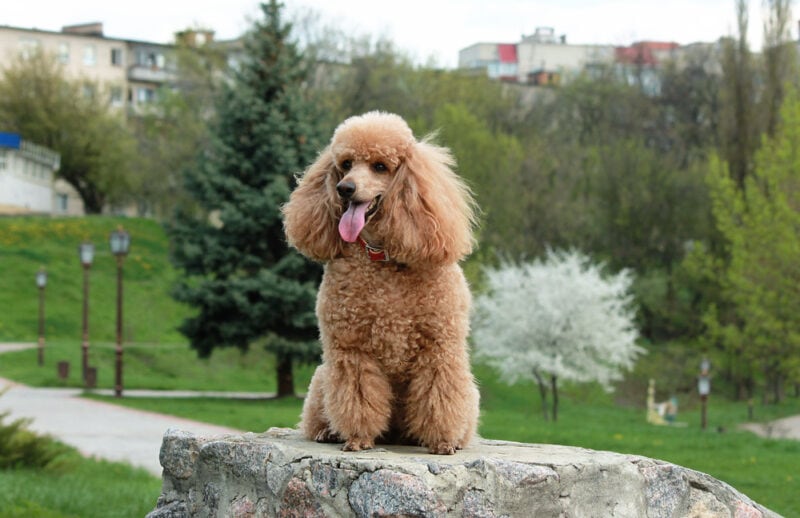
Poodles are one of the most beloved and instantly recognizable dog breeds, known for their intelligence, elegance, and hypoallergenic coats. While poodles come in a variety of stunning colors, perhaps none is as eye-catching and coveted as the apricot poodle. With their warm, reddish-orange coats that seem to glow from within, apricot poodles are truly a sight to behold.
But there is much more to these beautiful dogs than just their pretty color. Apricot poodles, particularly toy poodles, can make wonderful companion animals for the right owner. Let‘s take a closer look at the history, characteristics, and care requirements of the amazing apricot poodle.
The Origins of the Apricot Poodle
Poodles are an ancient breed, with origins dating back to Germany in the 15th or 16th century, where they were used as hunting and retrieving dogs. The breed later became popular among the French nobility in the 18th century. While white and black were the most common colors historically, today poodles can be found in a rainbow of hues, including blue, silver, brown, cream, and of course, apricot.
The apricot coloration in poodles is caused by a recessive gene that dilutes the brown pigment eumelanin. For a puppy to be born apricot, it must inherit the recessive gene from both parents. This makes apricot one of the rarest poodle colors. In fact, the first recorded apricot poodle, a standard poodle named Sowden Yellow Gall, was not born until 1898 in England.
Originally, Sowden Yellow Gall was described as having a "liver" colored coat. However, as the unique reddish-orange shade of his fur became more apparent with age, it was given the new color designation of "apricot." Apricot poodles steadily gained popularity in England in the early 20th century, but it took several more decades for the color to spread widely to other sizes like miniature and toy poodles.
Characteristics of Apricot Poodles
Poodles of any color are prized for their superior intelligence, ranking as the second smartest dog breed behind the border collie. They are highly trainable and excel in obedience, agility, and even circus performing. Poodles tend to be active, playful, and affectionate dogs who thrive on human companionship.
Toy poodles typically stand under 10 inches tall and weigh 4-6 pounds. Despite their small size, they are lively and athletic little dogs. Toy poodles in particular tend to form very close bonds with their owners and can make great companions for people of all ages. They are adaptable to many living situations and do well in both apartments and larger homes.
Like all poodles, apricots are considered a hypoallergenic breed, making them a good choice for allergy sufferers. However, they still require regular grooming to maintain their curly coats. Many owners opt to keep toy poodles in a shorter "puppy clip" which is less maintenance than the fancier continental clip seen in the show ring.
The apricot color can range from a light golden orange to a deeper reddish hue. Some minor variations in the shade across the body are normal. Apricots usually have liver-colored noses, lips, and eye rims, with amber to brown eyes. However, it‘s important to note that the vibrancy of the apricot color can fade over time, especially after 1-2 years of age.
Finding an Apricot Toy Poodle
Because of their rarity, apricot poodles often have waiting lists with breeders and command higher prices than more common colors. Prospective owners can expect to pay anywhere from $1500 to over $3000 for a quality apricot toy poodle puppy from a reputable breeder.
When searching for an apricot toy poodle, it‘s crucial to do your research and choose a responsible breeder who performs health testing on their breeding dogs. Poodles are generally healthy but can be prone to certain genetic conditions like hip dysplasia, eye disorders, and luxating patellas. Reputable breeders strive to minimize these risks.
Avoid pet stores or online ads promising cheap apricot poodle puppies, as these may be fronts for puppy mills. Instead, seek out breeders who are members of the Poodle Club of America and follow the organization‘s code of ethics. The breeder should allow you to visit their facility, meet the puppy‘s parents, and provide documentation of health screenings.
You may also want to consider adopting an apricot poodle from a rescue organization. While puppies are rare, adult apricot toy poodles in need of homes do sometimes become available. Adopting can be a rewarding way to provide a loving home for a dog in need.
Caring for Your Apricot Poodle
Toy poodles may be small, but they still require plenty of care, attention, and exercise to thrive. Plan to spend at least an hour per day on walks, playtime, and training to keep your apricot poodle physically and mentally stimulated. Puzzle toys and games are a great way to challenge their active minds.
Feed your apricot toy poodle a high-quality dog food formulated for small breeds. Avoid overfeeding, as toy poodles can easily become overweight. Regular dental care is also important to prevent tooth and gum issues. Brush your poodle‘s teeth daily or provide dental chews and toys.
To maintain your apricot poodle‘s glorious coat color, regular bathing and grooming is a must. Aim to brush your poodle at least 2-3 times per week to prevent matting and bathe every 3-4 weeks with a color-enhancing shampoo. You may also want to wipe their eyes daily with a damp cloth to prevent tear stains.
Most owners opt to have their poodle professionally groomed every 4-6 weeks. Let your groomer know that you want to preserve the vibrancy of the apricot color as much as possible. For show poodles, the coat may need special enhancing shampoos and more frequent grooming to bring out the richness of the apricot hue.
Famous Apricot Poodles
While not as well known as some other famous poodles, there have been several notable apricot poodles throughout history. As mentioned, Sowden Yellow Gall was the first known apricot standard poodle, born in England in 1898. He sired many offspring and played a significant role in the development of the color variety.
In 1938, an apricot standard poodle named Carillon Dilemma became the first of his color to win an American championship. This win helped further spread the popularity of apricot poodles in the United States. However, it wasn‘t until the 1950s that apricot toy poodles began to gain a foothold among American breeders and owners.
Today, many celebrities have been spotted with apricot toy poodles as companions. Actress Katharine Hepburn was known for her beloved apricot toy poodle named Chiquita. Barbra Streisand is also a fan of the breed and color. While not a toy, an apricot miniature poodle named Jed was famously featured on the TV show Scrubs as the dog of lead character J.D.
Is an Apricot Toy Poodle Right for You?
Apricot toy poodles can make wonderful companions for the right person or family. Their small size, affectionate nature, and hypoallergenic coats are definite selling points. An apricot toy could be a great fit if you are looking for an intelligent, trainable dog to be your constant sidekick.
However, toy poodles may not be the best choice for families with very young children, as they can be easily injured by rough handling. Apricot toy poodles also tend to attach strongly to one or two people, so they may develop separation anxiety if left alone for long periods.
Grooming and coat care can also be time consuming and expensive, so prospective owners should be prepared for that responsibility. Finally, the scarcity of apricot toy poodles means they often have high price tags and long waiting lists. An apricot toy poodle probably isn‘t the best choice if you need a dog immediately.
If you do decide to bring home one of these rare, radiant little dogs, get ready to fall in love. With their warm, glowing coats, soulful expressions, and devoted personalities, apricot toy poodles have a way of capturing hearts. They may be small in stature, but apricot poodles have an outsized capacity for love and companionship. Treat them well, and you will have a beautiful best friend for life.