How Cold is Too Cold for a Golden Retriever? An In-Depth Guide for Dog Lovers
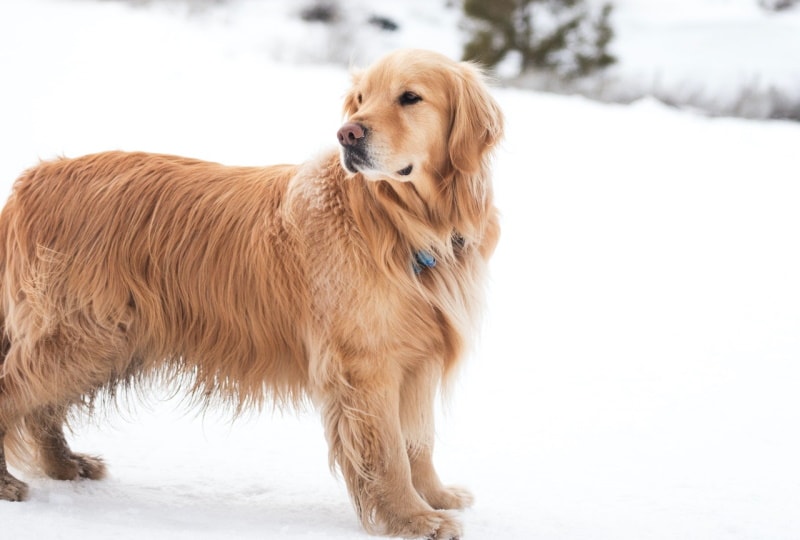
Golden retrievers are famously friendly, energetic, and eager to please. As a golden owner, you want to give your furry companion the best possible care all year round. But when winter rolls around and the temperature drops, you may find yourself wondering: how cold is too cold for my golden retriever?
The truth is, this beloved breed is well-adapted to chilly conditions, but they still have their limits. As a responsible dog owner, it‘s crucial to understand your golden‘s cold tolerance and take steps to keep them safe and comfortable in harsh winter weather. In this comprehensive guide, we‘ll dive into the science behind your dog‘s cold weather resilience, explore the signs of hypothermia, and share expert tips to protect your golden all winter long.
The Science of a Golden Retriever‘s Cold Tolerance
Golden retrievers were originally bred in the Scottish Highlands to retrieve game birds in chilly, damp conditions. Over time, they‘ve developed physical adaptations that help them thrive in cold climates:
- Double coat: Golden retrievers have a dense, water-repellent topcoat and a soft, insulating undercoat. This double layer traps heat close to their skin and keeps them dry in wet, snowy weather.
- Body fat: Healthy adult goldens have a moderate amount of body fat, which acts as an insulating layer to keep their core warm.
- Countercurrent heat exchange: The blood vessels in a dog‘s legs and paws are arranged to minimize heat loss. Warm arterial blood passing by cool venous blood warms it up, so less heat is lost through the extremities.
Thanks to these adaptations, most golden retrievers can tolerate temperatures down to about 20°F (-6°C) without any signs of discomfort. In fact, many goldens love to romp and play in the snow! However, it‘s important to remember that every dog is an individual, and factors like age, health, coat thickness, and acclimation will affect their cold tolerance.
Factors That Affect a Golden Retriever‘s Cold Tolerance
| Factor | Effect on Cold Tolerance |
|---|---|
| Age | Puppies and senior dogs can‘t regulate their body temperature as well and may get chilled more quickly. |
| Health | Dogs with health issues like arthritis, hypothyroidism, or heart disease may be more sensitive to the cold. |
| Coat thickness | A freshly-groomed golden with a short coat or a dog who hasn‘t grown their winter coat yet will feel the cold more than a dog with a thick, fluffy coat. |
| Acclimation | Goldens who live in warm climates may have a harder time handling cold snaps than dogs acclimated to chilly winters. |
| Body condition | Underweight dogs with little body fat may get colder faster, while overweight dogs may have trouble regulating their temperature. |
Regardless of your dog‘s individual cold tolerance, it‘s important to remember that no dog should spend hours outdoors in below-freezing weather. Even the hardiest golden retriever is at risk of hypothermia and frostbite in extreme cold. Next, let‘s take a closer look at the signs that your dog needs to come inside and warm up.
Signs That Your Golden Retriever is Too Cold
Spotting the signs of hypothermia is crucial for getting your dog to safety before their condition becomes life-threatening. Golden retrievers are tough, and they may not whine or show obvious signs of being chilled at first. Watch for these subtle cues that your dog needs to warm up:
-
Shivering: Just like humans, dogs shiver to generate heat when they‘re cold. If your golden starts trembling or shaking, it‘s time to go inside.
-
Cold ears, nose, or paws: A chilled dog‘s extremities may feel cool to the touch. Check your golden‘s ears, nose, and paws frequently during cold weather outings.
-
Curling up tight: If your normally energetic golden starts curling into a tight ball, they may be trying to conserve body heat.
-
Lifted paws: A golden who starts lifting their paws off the cold ground or snow may have cold, painful paw pads.
-
Lethargy: If your dog seems weak, drowsy, or uninterested in playing, they may be feeling the effects of the cold.
-
Ice or snow accumulation: Ice balls between the toes or clumps of snow stuck to the fur can make your dog dangerously cold. Regularly brush out any frozen accumulations.
-
Seeking shelter: If your golden tries to hide under deck, crawl into small spaces, or crowd close to you, they may be seeking warmth and shelter from the cold.
If you notice any of these signs, immediately bring your dog to a warm, dry place indoors. Wrap them in blankets fresh from the dryer and offer warm (not hot) food and water. Contact your veterinarian if your dog seems lethargic, weak, or disoriented.
Preventing Hypothermia and Frostbite
Hypothermia and frostbite can happen faster than you might expect, especially in wet weather, windy conditions, or extreme cold. Thankfully, both conditions are preventable with a few commonsense precautions:
-
Limit time outdoors: The safest strategy is simply to avoid prolonged exposure to the cold. Most goldens can handle 30 minutes of play or exercise in sub-freezing weather, but much longer than that can lead to dangerous chilling.
-
Dress for the weather: A well-fitting, waterproof dog coat can help your golden retain body heat in cold, damp weather. Dog booties protect sensitive paw pads from ice, snow, and harmful deicing salts.
-
Wipe off ice and snow: After a winter walk, use a towel to remove any snow, ice balls, or slush clinging to your dog‘s coat. Pay special attention to the legs, belly, and paws. You can also use a blow dryer on a low setting to gently dry a damp coat.
-
Stay active: Encourage your golden to keep moving during cold weather outings. A running, jumping dog generates more body heat than a sedentary one. Just be sure to watch for signs of fatigue or discomfort.
-
Provide warm shelter: If your dog will be spending time in the yard, provide a sturdy, insulated doghouse with plenty of warm, dry bedding. The shelter should be large enough for your dog to stand up and turn around, but small enough to retain body heat.
-
Don‘t forget indoor exercise: When the weather is too nasty for long walks, it‘s important to provide plenty of indoor playtime to keep your golden happy and healthy. Puzzle toys, training sessions, and indoor fetch are all great options.
The Bottom Line
As a golden retriever owner, it‘s important to remember that every dog is unique. What feels comfortable for one golden may be uncomfortably chilly for another. Always monitor your individual dog for signs of discomfort and adjust your winter routine as needed. If you‘re ever in doubt, err on the side of caution and keep your golden indoors where it‘s warm and dry.
With a little knowledge and preparation, you and your golden retriever can safely enjoy all the beauty and fun that winter has to offer. Stay warm out there!