The Belgian Shepherd Laekenois: A Comprehensive Guide for Puppy Lovers
As a lifelong dog lover and veterinary professional, I‘ve had the pleasure of working with a wide variety of breeds over the years. But there‘s one breed that stands out for their unique combination of intelligence, loyalty, and striking appearance – the Belgian Shepherd Laekenois. In this ultimate guide, we‘ll dive deep into everything you need to know about Laekenois puppies, from their physical characteristics and temperament to their fascinating history, health concerns, and grooming needs. By the end, you‘ll see why this rare and remarkable breed has captured the hearts of so many devoted enthusiasts.
Physical Characteristics and Breed Standard
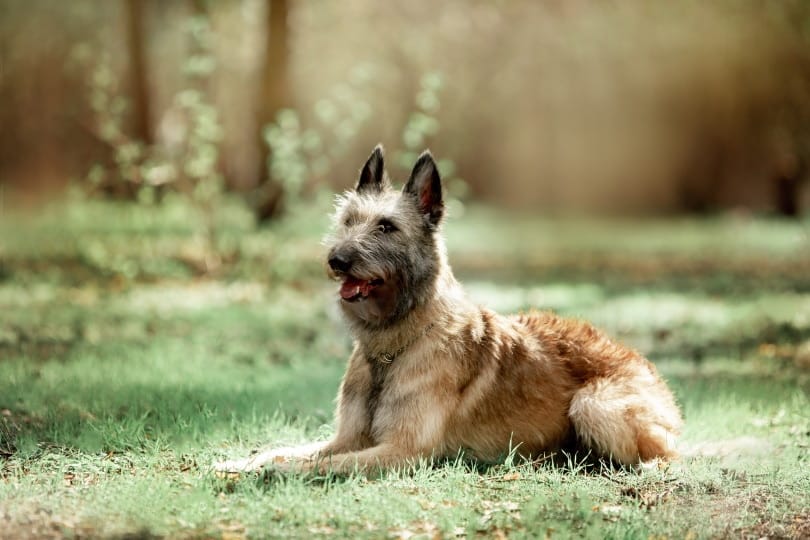
One of the first things that sets the Belgian Laekenois apart from other shepherd breeds is their distinct rough, wiry coat. Unlike the sleek, short coat of the Malinois or the long, flowing hair of the Tervuren and Groenendael, the Laekenois has a dense, weatherproof double coat designed to protect them from harsh elements. The outer coat is harsh and crisp, while the undercoat is soft and downy. Coat colors range from fawn to mahogany with black shading, sometimes with a small white patch on the chest.
In terms of size, the Laekenois is a medium-large, sturdy dog with a muscular, athletic build. According to the American Kennel Club breed standard, males should stand 24-26 inches tall at the shoulder and weigh 55-65 pounds, while females are slightly smaller at 22-24 inches and 45-55 pounds. Their body is powerful and agile, with a deep chest, strong back, and straight, muscular legs.
Some other key physical features of the Laekenois include:
- Triangular, erect ears
- Almond-shaped, dark brown eyes
- Black nose, lips, and eye rims
- Tight, cat-like feet with black pads
- Thick, tapering tail reaching to the hock
Temperament and Personality Traits
As a herding breed, the Belgian Laekenois was developed to be a versatile farm and guard dog. They are highly intelligent, protective, and loyal to their family, with a strong work ethic and keen sense of awareness. According to a survey by the American Belgian Laekenois Association, 85% of Laekenois owners described their dogs as good guard dogs, and 95% said they were very trainable.
While they are devoted companions, Laekenois can be more aloof and wary of strangers compared to other shepherd breeds. They require plenty of early socialization to prevent excessive suspicion or shyness. With their people, however, they are affectionate and eager to please. The same survey found that 85% of owners felt their Laekenois were extremely or very affectionate, and 90% said they were good with children in the family.
As active working dogs, the Laekenois needs daily mental and physical exercise to stay happy and well-behaved. They excel in obedience, agility, tracking, herding, and other dog sports. Without proper stimulation and companionship, they can become bored and destructive. While each dog is an individual, Laekenois generally do best in homes where they receive plenty of attention and have a job to do, whether that‘s learning new tricks, going for hikes, or participating in a canine sport.
History and Background
The Belgian Laekenois is one of four closely related breeds of Belgian shepherd dogs, along with the Malinois, Tervuren, and Groenendael. They were originally considered one breed with different coat varieties, but were eventually separated into distinct breeds. The Laekenois gets its name from the town of Laeken, Belgium, where they were commonly found.
In the late 1800s, a group of concerned dog fanciers formed the Belgian Shepherd Dog Club to standardize and promote the native shepherd breeds. The first breed standard for the Belgian Shepherd Dog was written in 1892, with the Laekenois described as a rough-coated variety. The Laekenois faced a setback during World War II, when many were killed serving as messenger dogs on the front lines. After the war, dedicated breeders worked to revive the breed and prevent it from going extinct.
Today, the Laekenois remains the rarest of the Belgian Shepherd breeds. According to the American Kennel Club, only 163 Laekenois were registered in the United States in 2020, compared to over 6,000 Belgian Malinois. The breed was officially recognized by the AKC in 2020, becoming the 196th breed in the herding group. Despite their rarity, the Laekenois has a dedicated following of fanciers who appreciate their unique qualities and strive to protect and promote the breed.
Health and Lifespan
Like all purebred dogs, the Belgian Laekenois is prone to certain genetic health conditions. Some of the most common health issues seen in the breed include:
-
Hip and elbow dysplasia – abnormal development of the hip or elbow joint, leading to arthritis and lameness. According to the Orthopedic Foundation for Animals, 12.5% of Laekenois tested have hip dysplasia and 9.7% have elbow dysplasia. Responsible breeders screen their breeding dogs to help reduce the risk.
-
Eye problems – various inherited eye diseases like progressive retinal atrophy (PRA), cataracts, and retinal dysplasia can occur. PRA is the most common, affecting around 5% of Laekenois. Annual eye exams are recommended to catch any issues early.
-
Epilepsy – recurrent seizures with no known cause. Estimated to affect around 3-5% of Laekenois. Usually manageable with medication, but can be lifelong.
-
Hypothyroidism – underactive thyroid gland leading to weight gain, lethargy, and skin/coat issues. Affects an estimated 2-3% of the breed. Managed with daily thyroid supplements.
-
Gastric dilatation volvulus (GDV or bloat) – life-threatening twisting of the stomach most common in large, deep-chested breeds. Can be largely prevented by feeding smaller meals, avoiding raised food bowls, and restricting exercise around mealtimes.
With proper care and screening, the lifespan of a Belgian Laekenois is typically 12-14 years. A 2010 breed health survey by the Belgian Shepherd Club of America found that the average age of death for Laekenois was 12.5 years, with cancer and old age being the leading causes.
Grooming and Care
One of the benefits of the Laekenois‘ rough, wiry coat is that it sheds very little compared to other shepherd breeds. However, they still need regular brushing and occasional hand-stripping or clipping to keep their coat healthy and looking its best. Weekly brushing with a slicker brush or pin brush is usually sufficient, with more frequent grooming during shedding season.
Many Laekenois owners prefer to have their dog‘s coat hand-stripped by a professional groomer every few months. This involves plucking out the dead hair to encourage new growth and maintain the proper wiry texture. Others opt for clipping the coat short for easier maintenance, although this can soften the texture over time.
In addition to coat care, Laekenois need their nails trimmed regularly, their ears checked and cleaned, and their teeth brushed daily if possible. They are generally a healthy breed with few grooming needs beyond basic maintenance.
Finding a Belgian Laekenois Puppy
If you‘ve fallen in love with the Belgian Laekenois and decided this is the breed for you, the next step is finding a reputable breeder. Due to their rarity, you may need to do some searching and be prepared to travel to find the right puppy. A good place to start is the Belgian Laekenois Club of America breeder directory, which lists registered breeders across the country.
When contacting breeders, be prepared to answer questions about your lifestyle, experience with dogs, and why you think a Laekenois is a good fit for your family. A responsible breeder will want to make sure their puppies are going to suitable homes. In turn, don‘t be afraid to ask the breeder plenty of questions as well. Some important things to inquire about include:
- Health testing of parent dogs (hips, elbows, eyes at minimum)
- Temperament and socialization of puppies
- Puppy guarantee and contract
- References from past puppy buyers
- Lifetime support and guidance
Red flags to watch out for include breeders who always have puppies available, don‘t ask any questions about you, won‘t let you visit their facility, or sell puppies without a contract. Avoid buying a Laekenois puppy from a pet store, online dealer, or anyone who can‘t provide proof of health testing and proper socialization.
Expect to pay anywhere from $1,500 to $3,000 or more for a well-bred Laekenois puppy from a reputable breeder. Remember that this initial cost is an investment in your dog‘s health and temperament, and will likely save you money on behavioral and medical issues down the road. Many breeders have waiting lists, so be prepared to wait 6-12 months or more for a puppy.
If you‘re open to adopting an older Laekenois in need of a new home, the Belgian Laekenois Rescue group maintains a list of available dogs across the country. Adopting an adult dog can be a great way to skip the puppy stage while still getting all the wonderful qualities of the breed.
Preparing for Your New Puppy
Once you‘ve found your perfect Belgian Laekenois puppy, it‘s time to start preparing for their arrival. Some key things to have on hand before bringing your puppy home include:
- High-quality large breed puppy food
- Bowls for food and water
- A crate or playpen for safe confinement
- Puppy-safe chew toys and puzzle toys
- A bed or soft blanket for sleeping
- Collar and leash for walks and training
- Puppy pads or newspaper for housetraining
- Enzyme cleaner for accidents
- Grooming supplies like a brush, nail clippers, and toothbrush
Puppy-proofing your home is also important to keep your curious Laekenois safe. Put away any hazardous items like cleaning supplies, medications, and toxic plants. Use baby gates to block off any unsafe areas, and make sure your yard is securely fenced.
Socialization should start as soon as your puppy comes home. Invite friends and family over to meet your new addition, and sign up for a positive puppy class once your pup has had their first round of vaccines. The more people, places, and experiences your Laekenois is exposed to in a positive way during their critical socialization period, the better adjusted they will be as an adult.
Conclusion
The Belgian Laekenois may be rare, but those who know and love this breed understand just how special they are. With their keen intelligence, unwavering loyalty, and striking good looks, Laekenois are a truly unique and impressive dog. They may not be the easiest breed to find or the right fit for every family, but for experienced dog owners looking for an active, devoted companion, a Laekenois puppy can be an incredibly rewarding addition.
As a veterinarian, I always stress the importance of thorough research and preparation before bringing home any new dog, and this is especially true for a rare breed like the Laekenois. Finding a responsible breeder who prioritizes health and temperament is crucial to getting a puppy with the best chance of a long, happy life. Proper socialization, training, nutrition, and veterinary care are also key to helping your Laekenois reach their full potential as a loyal friend and partner.
If you‘re ready for the challenge and the joy of sharing your life with a Belgian Laekenois, I hope this guide has given you the information and tools you need to make your dream a reality. With your love, guidance, and care, your Laekenois puppy will grow into a truly exceptional dog that will bring a smile to your face and warmth to your heart for many years to come.