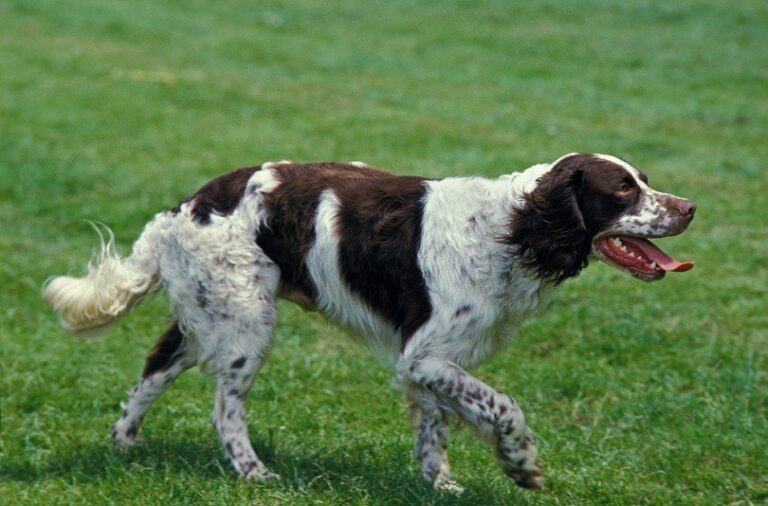
The Bernese Water Dog: A Comprehensive Guide for Dog Lovers
As a lifelong dog lover and seasoned veterinarian, I‘m always excited to learn about new and interesting breeds. The Bernese Water Dog, a relatively rare designer breed, has certainly captured my attention in recent years. With their endearing personalities, keen intelligence, and striking good looks, these hybrid dogs are quickly earning devoted fans among dog enthusiasts.
In this comprehensive guide, I‘ll delve into the origin, characteristics, care requirements, and special traits of the Bernese Water Dog. Whether you‘re considering adding one of these gentle giants to your family or simply want to learn more about this fascinating breed, read on for an in-depth look at the Bernese Water Dog.
Breed History and Development
The Bernese Water Dog is a hybrid breed that was first intentionally developed in the early 2000s by crossing a purebred Bernese Mountain Dog with a purebred Portuguese Water Dog. The goal was to create a dog that combined the best traits of both parent breeds: the laid-back, friendly nature of the Bernese Mountain Dog and the intelligence, trainability, and lower-shedding coat of the Portuguese Water Dog.
As a relatively new mixed breed, Bernese Water Dogs are not recognized by major purebred registries like the American Kennel Club (AKC). However, they are registered with some hybrid breed organizations, such as the Designer Breed Registry (DBR) and International Designer Canine Registry (IDCR).
It‘s important to note that as a first-generation hybrid, Bernese Water Dogs can inherit a range of traits from their purebred parents. This means there can be significant variation in appearance, temperament, and health among individual dogs. Reputable breeders aim to produce puppies with the most desirable traits of both breeds.
Physical Characteristics and Appearance
One of the first things you‘ll notice about Bernese Water Dogs is their impressive size. These are large dogs, standing 22-27 inches tall at the shoulder and typically weighing between 50-100 pounds when fully grown. Males are usually on the larger end of the spectrum.
Bernese Water Dogs have strong, muscular builds that reflect their working dog heritage. They have broad heads with medium-length muzzles, dark brown oval eyes, and triangular drop ears. Their nose is typically black, and they have a scissors bite. The neck is of medium length, the topline is straight, and the tail is thick and hangs down when relaxed.
The breed‘s medium-length, wavy or loosely curled coat is a defining feature. Most Bernese Water Dogs have a tricolor coat similar to the Bernese Mountain Dog, with a primarily black base accented by white and rust-colored markings on the chest, face, and paws. Some may have a lighter coat that‘s more reminiscent of the Portuguese Water Dog. The coat is water-resistant and sheds minimally compared to the heavy seasonal shedding of the Bernese Mountain Dog.
Thanks to the webbed feet inherited from their Portuguese Water Dog ancestors, Bernese Water Dogs tend to be strong, natural swimmers. Combined with their courageous spirit and "can-do" attitude, the breed has great potential as a water rescue or therapy dog.
Temperament and Personality Traits
As a dog lover, I‘m always drawn to breeds with a kind, gentle nature – and the Bernese Water Dog certainly fits that description. These dogs are renowned for their sweet, affectionate disposition and deeply devoted loyalty to their families. They crave human companionship and love being involved in all aspects of family life, from playtime to cuddle time.
Bernese Water Dogs have a patient, tolerant demeanor that makes them an excellent fit for households with children of all ages. They seem to have a special affinity for kids and enjoy being their gentle playmate and watchful guardian. Of course, as with any large breed, supervise interactions with young children and teach respectful handling to avoid accidental knockdowns.
This is also a breed that typically gets along well with other dogs, especially if socialized from a young age. They can happily share a household with another canine companion. Many Bernese Water Dogs even befriend the family cat if raised together. Their amiable nature extends to meeting new people, too – while initially reserved, they warm up quickly and greet visitors with a friendly wag.
One of the traits that I find most endearing about Bernese Water Dogs is their sensitivity and desire to please. They are keenly attuned to their owner‘s emotions and aim to be a source of comfort and support. While their sensitivity is a gift, it also means they don‘t respond well to harsh training methods or being left alone for long periods. They thrive on positive reinforcement, gentle guidance, and plenty of togetherness.
Compared to the Bernese Mountain Dog, which can be quite lazy indoors, Bernese Water Dogs tend to have a bit more spunk and enthusiasm thanks to the influence of the lively Portuguese Water Dog. They have moderate exercise needs and thoroughly enjoy active playtime, brisk walks, swimming, and learning new things. After their exercise needs are met, they have an "off-switch" and are content to relax with you.
Intelligence and Trainability
In my experience as a veterinarian and dog trainer, I‘ve found that breeds with an eager-to-please nature and quick mind are a joy to train – and the Bernese Water Dog is a prime example. These dogs are highly intelligent and pick up new commands and skills with impressive speed and enthusiasm.
Like their Portuguese Water Dog relatives, Bernese Water Dogs seem to have a natural aptitude for learning and thrive with ongoing training. They excel in a variety of dog sports and activities including:
- Obedience
- Agility
- Rally
- Tricks
- Dock diving
- Flyball
- Therapy work
- Search and rescue
- Water rescue
The key to successful training with Bernese Water Dogs is using positive reinforcement techniques and keeping sessions fun, engaging, and rewarding. They can get bored with too much repetition, so use a variety of training games and challenges to hold their interest.
Early socialization is also essential for raising a well-rounded, confident Bernese Water Dog. From a young age, expose your puppy to a wide range of people, animals, environments, and experiences. Reward them for calm, friendly behavior. Well-socialized Bernese Water Dogs grow up to be adaptable, self-assured, and able to handle new situations with ease.
While generally agreeable and compliant, Bernese Water Dogs can occasionally display a stubborn streak, especially in adolescence. Avoid getting into power struggles – instead, use positive motivation, firm but kind leadership, and plenty of praise and rewards to encourage cooperation. With consistent training and clear boundaries, they develop into wonderfully well-behaved companions.
Grooming and Care
Despite their fairly long, dense coat, Bernese Water Dogs are relatively low-maintenance in the grooming department. Their coat is a single layer that‘s more water-resistant and lower-shedding than the thick double coat of the Bernese Mountain Dog.
To keep your Bernese Water Dog‘s coat healthy and free of tangles, brush them thoroughly with a slicker brush or metal comb at least 2-3 times per week. During seasonal shedding periods, daily brushing can help remove loose fur before it ends up on your furniture. Luckily, their coat doesn‘t tend to form mats or pick up debris like some longer-coated breeds.
Bernese Water Dogs don‘t need frequent bathing – washing them every 1-2 months with a gentle, moisturizing dog shampoo is sufficient unless they roll in something stinky. Take special care to dry their ears thoroughly after baths or swimming to prevent infection. Regular nail trims, ear cleanings, and dental care are also essential for maintaining your dog‘s overall health and comfort.
While grooming, take the opportunity to check your Bernese Water Dog from nose to tail for any lumps, bumps, rashes, or other unusual changes. Alert your vet if you notice anything concerning – early detection is key for many health issues.
Exercise and Activity Needs
As medium-to-high energy dogs, Bernese Water Dogs require a fair amount of daily exercise to stay physically and mentally fulfilled. Aim for at least an hour of activity per day, split into a couple walks and some playtime. They enjoy accompanying you on hikes, jogs, bike rides, or trips to the dog park.
True to their water dog heritage, many Bernese Water Dogs love to swim and can make great beach or boat companions. Playing in sprinklers or wading pools can help keep them cool and entertained in warm weather. Puzzle toys, treat dispensers, and interactive games are also great for providing mental exercise indoors.
While they have more get-up-and-go than the average Bernese Mountain Dog, Bernese Water Dogs are usually content to relax at home after their exercise needs are met. They appreciate having a comfy bed or designated spot on the couch for snoozing and cuddling with their humans.
It‘s important not to overdo exercise with Bernese Water Dog puppies, as their developing joints can be damaged by too much high-impact activity. Talk to your vet for age-appropriate exercise recommendations. With proper conditioning and training, adult Bernese Water Dogs can make great companions for moderately active families or individuals.
Health and Life Expectancy
Like all dog breeds, Bernese Water Dogs can be prone to certain genetic health conditions. As a hybrid, they may inherit health issues common to either parent breed. Some potential health concerns to be aware of include:
- Hip and elbow dysplasia
- Eye problems like progressive retinal atrophy or cataracts
- Heart conditions like dilated cardiomyopathy
- Certain cancers, especially lymphoma and osteosarcoma
- Bloat (gastric dilatation volvulus)
- Skin problems like allergies or hot spots
However, there‘s some promising evidence that hybrid vigor may help reduce the incidence or severity of certain health issues in mixed breed dogs. A 2013 study from the University of California, Davis found that mixed breeds had a lower rate of 10 genetic disorders, including hip dysplasia, elbow dysplasia, and bloat, compared to their purebred parent breeds.
According to Dr. Marty Becker, a renowned veterinarian and pet expert, "When you cross two different breeds, the genetic diversity can often result in a lower incidence of inherited health problems. That‘s not to say mixed breeds are immune to health issues, but they may have a bit of an advantage in some areas."
The average life expectancy for Bernese Water Dogs is around 10-13 years, which is slightly longer than the 7-10 year lifespan of the Bernese Mountain Dog. Of course, many individual factors like genetics, diet, exercise, and preventative care can influence a dog‘s longevity.
To give your Bernese Water Dog the best chance at a long, healthy life, choose a puppy from a reputable breeder who performs genetic testing on their dogs and provides a health guarantee. Feed a high-quality, age-appropriate diet, maintain a healthy weight, provide plenty of exercise, and stay up-to-date on preventative care like vaccines, parasite control, and dental cleanings. Regular vet check-ups can help detect any emerging health issues early.
Finding a Bernese Water Dog
If you‘re interested in adding a Bernese Water Dog to your family, be prepared to do some research and networking to find a responsible breeder. As a rare breed, they may have limited litters available and a waiting list.
Some Bernese Water Dog breeders to check out include:
- Brush Creek Farms (brushcreekfarms.com) – Colorado
- Serenity Lake Bernese Water Dogs (serenitylakebwd.com) – Michigan
- Gemini Bernedoodles and Bernese Water Dogs (geminidoodles.com) – Pennsylvania
When contacting breeders, ask about their health testing protocols, temperament evaluations, socialization practices, and health guarantees. Avoid breeders who seem more interested in profit than producing healthy, well-rounded puppies.
Alternatively, you may find a Bernese Water Dog in need of rehoming through a breed-specific rescue group. Rescues that specialize in Bernese Mountain Dogs or Portuguese Water Dogs sometimes take in mixed-breed dogs as well. Adopting an adult dog lets you see their mature size, temperament, and training.
Is a Bernese Water Dog Right for You?
Now that you‘ve learned all about the Bernese Water Dog, you may be wondering if this breed is the right fit for your lifestyle. While every dog is an individual, here are some general traits that tend to make Bernese Water Dogs a great match for certain types of owners:
- Families with children
- Active singles or couples
- Those who work from home or have a flexible schedule
- People who enjoy outdoor activities and adventures
- Owners who want a loyal, affectionate companion
- Those looking for a highly trainable, versatile breed
On the flip side, Bernese Water Dogs may not be the best choice for:
- Apartment dwellers or those without access to outdoor space
- People who work long hours away from home
- Those looking for a low-shedding, hypoallergenic breed
- Owners who prefer a more independent or aloof dog
- Those who don‘t have time for daily exercise and training
I had the pleasure of meeting my first Bernese Water Dog at a local dog park a few years ago. The owner, Sarah, raved about her dog‘s sweet nature and impressive trainability. "Buddy is the most loving, intuitive dog I‘ve ever had," she told me. "He‘s so in tune with my emotions and always seems to know when I need a cuddle or a good laugh. He‘s also scary-smart – he picked up basic obedience in no time and loves learning new tricks."
As I watched Buddy happily romping with the other dogs, his wagging tail and joyful expression were a testament to the breed‘s zest for life. He took a quick break to check in with Sarah, then dove back into the fray with gusto. It was easy to see the strong bond between dog and owner.
Meeting Buddy only confirmed my growing fondness and admiration for this wonderful breed. As more dog lovers discover the Bernese Water Dog, I suspect we‘ll be seeing a lot more of these big-hearted, versatile dogs in the coming years.
Final Thoughts
Whether you‘re drawn to their striking good looks, endearing personality, or impressive versatility, the Bernese Water Dog is a breed that‘s easy to love. From their devotion to family to their enthusiasm for learning, these dogs possess so many of the traits that dog lovers value.
Of course, welcoming a Bernese Water Dog into your life is a big commitment. These large, active dogs require plenty of time, energy, and resources to thrive. But for the right owner, the rewards of sharing your life with such a loyal, loving companion are immeasurable.
If you think the Bernese Water Dog might be the breed for you, take your time to research and find a responsible breeder or rescue group. Prepare your home and lifestyle for the arrival of your new furry friend. With love, patience, and a commitment to positive training, you‘ll forge an unbreakable bond with your Bernese Water Dog that enriches both of your lives. And who knows – you may just become the breed‘s newest ambassador, singing their praises to everyone you meet.