
Vizsla vs. Labrador: The Key Differences (With Pictures)
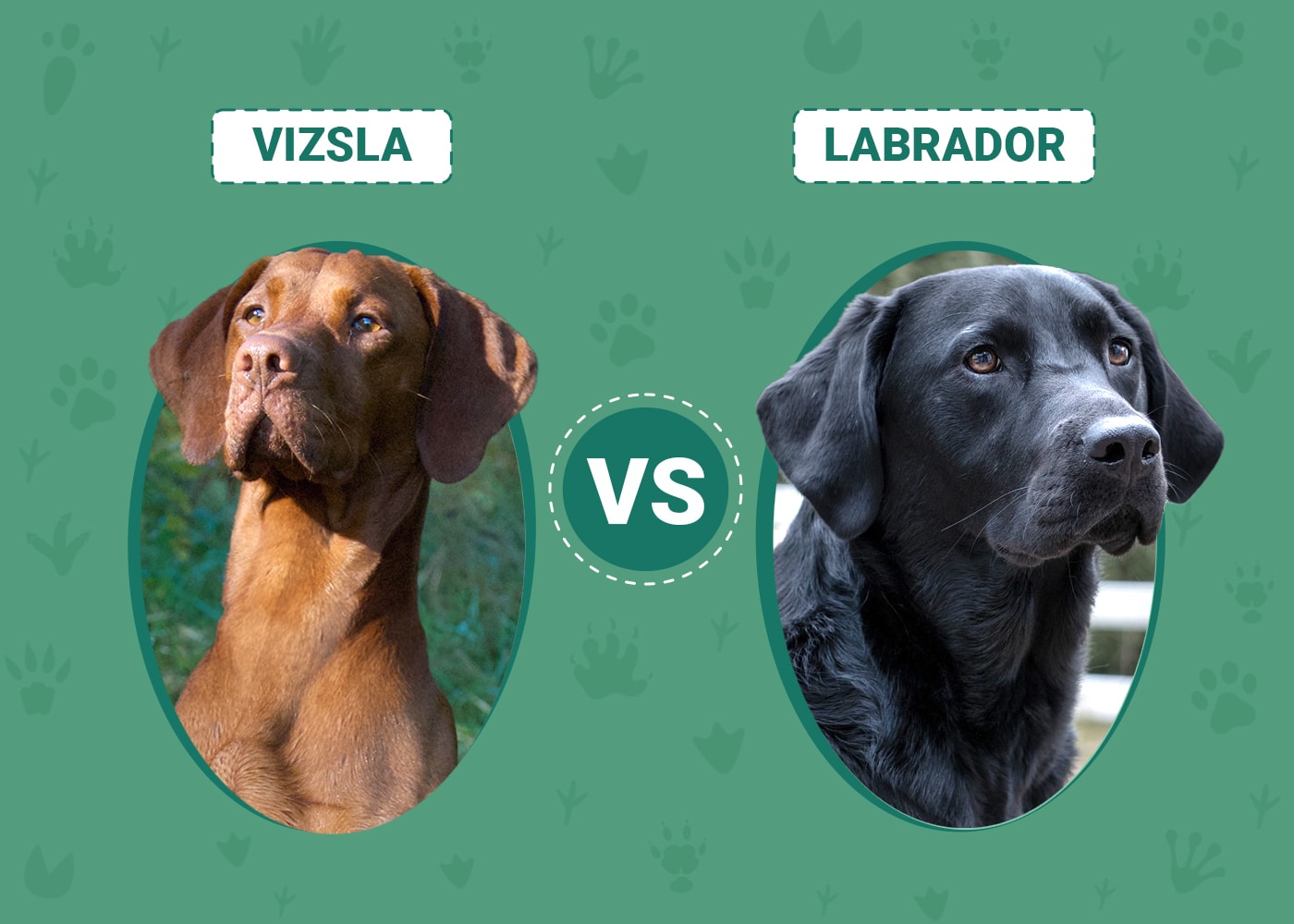
Vizslas vs Labradors: How Do These Popular Breeds Compare?
Trying to decide between a Vizsla and Labrador Retriever? You‘re not alone! These friendly, energetic gun dogs consistently rank among the most beloved breeds in the US. But while they share some similarities, Vizslas and Labs also have distinct differences.
In this ultimate breed comparison, we‘ll take an in-depth look at the Vizsla vs Labrador across key characteristics including temperament, exercise needs, trainability, health, and more. By the end, you‘ll have a clear understanding of what sets these breeds apart so you can choose the best fit for your lifestyle. Let‘s dive in!
Breed History and Original Purpose
The Vizsla and Labrador descend from a long line of capable hunting companions. However, their breed origins trace back to very different parts of the world.
Vizsla History:
The Vizsla is a Hungarian breed developed in the 9th century. For centuries, Magyar hunters depended on these swift, highly trainable dogs to point and retrieve upland game birds and waterfowl. Nearly wiped out during the World Wars, the Vizsla breed was saved by dedicated breeders. The first Vizslas arrived in the US in the 1950s. While still fairly rare, their popularity as versatile hunting dogs and family pets has steadily increased.
Labrador History:
The Labrador Retriever traces its roots to Newfoundland in the 1500s. Fishermen relied on these strong swimmers to retrieve nets, fish, and supplies from the icy waters. Labs served as duck retrievers and fishermen‘s mates for centuries. English nobles visiting Canada in the 1800s took a liking to the breed and brought them back to England, where they were further developed as gun dogs. Labs arrived in the US in the 1920s and achieved AKC recognition in 1917. They‘ve topped the popularity charts as America‘s favorite dog for over 30 years.
Physical Characteristics and Size
The Vizsla and Labrador share some physical similarities, especially their athletic, well-muscled bodies. However, there are key differences in their size, build, coat, and colors.
Vizsla Appearance:
Height: 21-24 inches
Weight: 45-65 pounds
The Vizsla is a medium-sized dog with a short, smooth coat. Their elegant yet muscular build is often described as aristocratic. Vizslas have long silky ears framing a gentle, intelligent expression. The breed standard allows solid golden rust and variations of this color. Their nose, eyes, and nails blend with the color of the coat.
Labrador Appearance:
Height: 22.5-24.5 inches
Weight: 55-80 pounds
The Labrador is a medium-large, strongly built breed. They have a short, dense double coat with a soft undercoat and harder outer layer offering weather resistance. Labs have a broad head, friendly eyes, and signature "otter tail." Coat colors come in yellow, black, and chocolate. A small white spot on the chest is allowed but other markings are disqualifications.
Coat Type and Grooming Needs
Both breeds have relatively short coats, but the Vizsla and Lab differ in coat type and grooming requirements. Here‘s what to expect:
Vizsla Coat and Grooming:
Vizslas have a short, sleek coat without an undercoat. They are very low shedding and require minimal grooming – occasional baths and weekly brushing to remove loose hair is usually sufficient. Vizslas don‘t have a strong "doggy odor" so they stay clean between baths. Their thin coat offers little protection against cold weather.
Labrador Coat and Grooming:
Labs have a short, dense double coat that‘s weather-resistant and low-maintenance…except when it comes to shedding! Labs are heavy, year-round shedders and "blow their coat" twice yearly. Daily brushing is needed to keep loose hair under control. Regular baths, nail trims, and ear cleaning are also important. Labs‘ thick coat is well-suited for cold climates and water.
Temperament and Personality
Vizslas and Labradors are both known for their friendly, outgoing personalities. They are intelligent, affectionate breeds that bond closely with their owners. However, some key temperament differences are worth noting.
Vizsla Temperament:
Vizslas are famous for being velcro dogs that crave constant companionship. They thrive on human attention and can suffer separation anxiety if left alone too long. Vizslas are sensitive, eager to please, and highly trainable. They have a goofy side but are more serious than Labs. Vizslas can be aloof with strangers and have strong guarding instincts. Early socialization is important to prevent shyness or aggression. Vizslas are vocal dogs that whine, grunt, and "talk" to express themselves.
Labrador Temperament:
Labs are known for their happy-go-lucky, people-pleasing personalities. They are sociable, trusting dogs that tend to love everyone they meet. Well-socialized Labs are more tolerant of alone time than Vizslas. They are playful, high-spirited dogs that mature slowly and stay "puppyish" for years. Labs are agreeable and easy to train but can be boisterous and mouthy. Their friendliness makes them better suited as companions than guard dogs. With proper introductions, Labs generally get along well with children, strangers, and other pets.
Exercise Needs and Activity Level
As hunting breeds, the Vizsla and Lab are both high-energy dogs with significant exercise needs. Prospective owners should have an active lifestyle to keep these dogs happy and healthy.
Vizsla Exercise Needs:
The Vizsla is an extremely active, athletic breed with energy to burn. They need at least 1-2 hours of vigorous exercise daily – think running, hiking, swimming, fetching, and dog sports. Vizslas that don‘t get enough physical and mental stimulation are prone to destructive behaviors like digging and chewing. A bored Vizsla will make their own fun! Puzzle toys, training sessions, and nose work are great ways to challenge their keen minds. Due to their high activity needs, Vizslas do best in homes with securely fenced yards.
Labrador Exercise Needs:
Like Vizslas, Labs require ample daily exercise to stay fit and happy. Most need at least an hour of aerobic activity like brisk walking, jogging, swimming, and playing fetch. High-drive field line Labs may need even more. Without proper outlets for their energy, Labs can get bored and destructive. Mental stimulation through training, puzzle toys, scent games, and time spent outdoors is important. Seniors and low-energy owners may prefer show line Labs which tend to have more moderate exercise needs. Access to water for swimming and retrieving is a big plus for water-loving Labs!
Trainability and Intelligence
Thanks to their eager-to-please attitudes and quick minds, Vizslas and Labradors are both highly trainable breeds. However, there are some differences in what training approaches work best for each.
Training a Vizsla:
Vizslas are sensitive, responsive dogs that form deep bonds with their owners. This makes them very tuned in and amenable to training. However, harsh corrections will likely backfire and shut a Vizsla down. They do best with gentle, positive reinforcement methods and respond beautifully to praise, play, and high value treats. Short, upbeat training sessions are ideal to hold their focus. With patient, consistent training, Vizslas excel in obedience, agility, rally, dock diving and other canine sports. They pick up new commands quickly and retain lessons well.
Training a Labrador:
Labs are intelligent, agreeable dogs that famously live to please their people. Most are very food and praise motivated which can jumpstart the training process. Labs have high energy and can be easily distracted, so it‘s important to start training early while they are still puppies. Enrolling in a positive puppy class is a great way to socialize a Lab pup and teach foundation skills and manners. Labs tend to stay in a puppy mindset until 2-3 years old. Patience and consistency are key while they mature. Labs often do well with more repetition to really master commands. They thrive in canine sports like obedience, agility, dock diving, tracking, and field trials.
Health and Lifespan
As medium-large dogs, Vizslas and Labradors share some common health concerns. However, there are specific conditions each breed is prone to. Here are some key health considerations:
Vizsla Health and Lifespan:
The typical Vizsla lifespan is 12-15 years. As a breed, they are generally healthy but are prone to certain inherited conditions including:
- Hip dysplasia
- Hypothyroidism
- Progressive retinal atrophy
- Von Willebrand‘s disease
- Seizures
- Lymphoma
Responsible Vizsla breeders screen for these issues to help produce healthy pups. Keeping a Vizsla slim and avoiding repetitive jumping while bones are still developing can reduce the risk of orthopedic problems. Regular vet checkups, feeding a high quality diet, keeping vaccines current, and providing ample exercise all support Vizsla health and longevity.
Labrador Health and Lifespan:
A typical Labrador lifespan is 10-12 years. Some common Lab health problems include:
- Hip and elbow dysplasia
- Eye disorders
- Exercise induced collapse
- Bloat
- Obesity
- Ear infections
- Cancer
Choosing a Lab puppy from health tested parents is the best way to stack the deck for a healthy dog. Keeping a Lab at a proper weight and not over-exercising during the rapid growth phase is important for joint health. Staying current on vet checks and preventative care like vaccines and heartworm prevention is also key. Feeding a high quality diet, brushing and checking ears regularly, and knowing the signs of bloat can all help a Lab live their healthiest life.
Suitability as Family Pets
Vizslas and Labradors can both make wonderful family companions, but their differing energy levels and personalities may be a better fit for certain households. Here are some factors to consider:
The Vizsla as a Family Pet:
Vizslas bond deeply with their owners and need to live indoors as part of the family. They are affectionate, gentle dogs that often follow their favorite humans from room to room. Vizslas typically do well with children if socialized from a young age. That said, they can be rambunctious when young and may knock over small kids in play. Vizslas tend to choose one special person to bond most closely with. They can be aloof with strangers which may be intimidating to visiting friends.
Separation anxiety is common in Vizslas, so they are a better fit for households where someone is home for most of the day. Their strong prey drive may not mix well with cats or pocket pets unless raised together. Same sex Vizslas often do not get along, so most do better as the only dog or paired with an opposite sex dog in the home. Vizslas are ideally suited for very active owners interested in running, hiking, hunting, or competing together. They may be too energetic for low-key families or seniors.
The Labrador as a Family Pet:
It‘s no surprise Labs have been America‘s most popular breed for decades – they possess many ideal family dog qualities! Even-tempered, friendly, and highly trainable, a well-bred Lab can easily adapt to a variety of households and lifestyles. They tend to be patient, gentle playmates for kids of all ages and aren‘t prone to resource guarding toys or food. Labs‘ happy-go-lucky, trusting nature makes them more tolerant of visiting friends and rambunctious children.
Most Labs get along great with other dogs and can cohabitate with cat-savvy cats if raised together. Their moderate grooming and exercise needs can fit well with busy families. Labs don‘t tend to be nuisance barkers or escape artists. They are an adaptable breed that‘s eager to accompany their people anywhere – from camping trips to beach outings to nights spent curled up on the couch. With proper training and socialization, Labs can make wonderful companions for a wide variety of families.
Vizsla vs Labrador: Popularity and Fun Facts
Still debating between the Vizsla vs Lab? Here are some interesting facts and trivia about each breed to help you decide!
Vizsla Facts:
- The Vizsla is currently the 31st most popular breed in the US, according to AKC registration stats. Their popularity has climbed steadily over the past few decades.
- A Vizsla named Chartay became the first AKC quintuple champion in 2019, an extremely rare honor!
- The Vizsla is also known as the "Hungarian Pointer." Their name comes from the Hungarian word "vizsla" which means "searcher."
- Vizslas have a unique trait called "shadowing" where they constantly stay right next to or even touching their owner.
- A Vizsla puppy named Remy is one of the world‘s most famous TikTok dogs with over 200 million views!
Labrador Facts:
- The Labrador Retriever has been America‘s most popular breed for a record-breaking 31 years in a row.
- A yellow Lab named Endal was voted "Dog of the Millennium" for his incredible service work and feats like withdrawing cash at an ATM for his disabled handler!
- Labrador Retrievers are divided into two subtypes: show labs (English) and field labs (American). Field labs have a slimmer, more athletic build while show labs tend to be stockier.
- The renowned Labrador nose has roughly 300 million scent receptors compared to a human‘s mere 6 million.
- The world‘s oldest known Lab was a black Lab named Adjutant who lived to be 27 years old in the UK!
Conclusion
The Vizsla vs Labrador: two incredible breeds with unique histories, qualities, and care requirements. Ultimately, the best choice depends on your lifestyle and what you‘re looking for in a canine companion.
Very active owners wanting a sensitive, one-person dog to take hiking, hunting, and competing may find their perfect match in the vivacious Vizsla. Those wanting a friendly, adaptable family pet to enjoy everything from game nights to beach days with the kids are likely to fall for a lovable Lab.
Whichever breed you choose, it‘s important to find a responsible breeder committed to health and temperament testing. Proper socialization, positive training, daily exercise, and lifelong bonding are key to having an amazing experience with either breed.
We hope this Vizsla versus Labrador comparison has given you clarity into which may be the right fit for you. Here‘s to many joyful adventures with your new furry friend!



)