
The Corgi Dalmatian Mix: A Comprehensive Guide for Dog Lovers
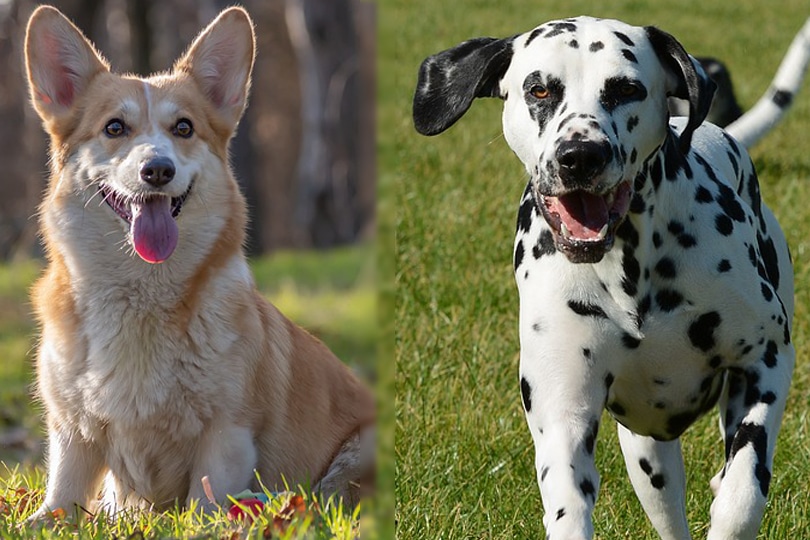
If you‘re a fan of unique and eye-catching dog breeds, the Corgi Dalmatian mix might just steal your heart. This relatively new designer breed combines the short stature and bold personality of the Pembroke Welsh Corgi with the athletic build and spotted coat of the Dalmatian. The result is an utterly charming and one-of-a-kind companion that‘s sure to turn heads wherever you go.
As a self-proclaimed dog lover and veterinary expert, I‘ve done extensive research on this fascinating crossbreed to bring you the most comprehensive, up-to-date information available. From their origins and physical characteristics to their temperament and care requirements, I‘ll cover everything you need to know to decide if a Corgi Dalmatian mix is the right dog for you.
The History of the Corgi Dalmatian Mix
To fully understand the Corgi Dalmatian mix, it‘s helpful to take a look at the history of its parent breeds. The Pembroke Welsh Corgi is believed to have originated in Wales as early as the 10th century, when Flemish weavers settled in the region and brought the ancestors of the modern Corgi with them. These low-to-the-ground herding dogs were prized for their intelligence, boldness, and ability to nip at the heels of cattle to keep them in line.
The Pembroke Welsh Corgi rose to international fame in the 1930s when King George VI of England gifted a puppy to his daughters, Princesses Elizabeth and Margaret. Elizabeth, now known as Queen Elizabeth II, has been a devoted Corgi owner ever since—she‘s owned more than 30 throughout her reign! The breed remains a popular choice for families around the world who are drawn to its foxy good looks and outgoing nature.
The Dalmatian, on the other hand, has a more mysterious origin story. The earliest known record of the breed dates back to the early 1600s in what is now Croatia, where the dogs were used to follow alongside horse-drawn carriages and protect the passengers and cargo. The breed likely gets its name from the Adriatic coast region of Dalmatia.
Dalmatians became popular in England in the 1800s, where they served as coach dogs and eventually as firehouse mascots. Their signature spotted coats made them easy to spot in the midst of a firefighting scene, and their loyal, protective nature made them well-suited for the job. Dalmatians also had a brief stint in the military during World War I, when they were used as sentries and messenger dogs.
It‘s not entirely clear when breeders first began intentionally crossing Pembroke Welsh Corgis and Dalmatians, but it was likely sometime in the 1990s or early 2000s as part of the wider trend of creating "designer dogs." The goal was likely to produce a small-to-medium sized companion dog with the best traits of both parent breeds: the Corgi‘s affectionate nature and the Dalmatian‘s striking spots.
While the Corgi Dalmatian mix is still a relatively rare breed compared to some other designer dogs, it has gained a dedicated following in recent years among owners looking for a unique and active companion.
Physical Characteristics and Appearance
One of the most appealing aspects of the Corgi Dalmatian mix is its utterly adorable appearance. These dogs tend to have a sturdy, muscular build with short legs and a deep chest, much like a Pembroke Welsh Corgi. However, they are usually a bit taller and heavier than a purebred Corgi due to the influence of the larger Dalmatian.
According to data collected by the International Designer Canine Registry, the average height of a Corgi Dalmatian mix is 12-15 inches at the shoulder, and the average weight is 25-45 pounds. However, some individual dogs may be larger or smaller depending on which parent breed they take after more.
The coat of a Corgi Dalmatian mix is usually short and dense, with a white base color and distinctive spots in either black or liver (brown). The spots may be small and evenly distributed like a traditional Dalmatian, or they may be larger and more irregularly shaped. Some Corgi Dalmatian mixes may also have a "merle" pattern, which is a mottled blend of the base color and spots.
Other common physical traits of the Corgi Dalmatian mix include:
- Floppy, triangular ears (although some may have the upright ears of a Dalmatian)
- Dark, almond-shaped eyes
- A black or brown nose
- A slightly curved, fluffy tail
- Compact, sturdy paws
Of course, since this is a mixed breed, there can be quite a bit of variation in appearance from one dog to the next. Some Corgi Dalmatian mixes may look more like a Corgi with spots, while others may have a more Dalmatian-like build with shorter legs. The fun is in seeing which traits your individual dog inherits!
Temperament and Personality
The temperament of a Corgi Dalmatian mix is usually a delightful blend of the friendly, outgoing nature of the Corgi and the athletic, protective instincts of the Dalmatian. These dogs are known for their high energy levels and love of activity—they‘re not content to laze around on the couch all day.
According to a survey of Corgi Dalmatian mix owners conducted by the Designer Breed Registry, the top three words used to describe this breed‘s personality were "intelligent," "playful," and "loyal." Many owners also noted that their dogs had a bit of a stubborn streak, which is common in herding breeds like the Corgi.
Corgi Dalmatian mixes are generally very affectionate with their family members and enjoy being in the thick of household activity. They can be good with children if socialized from a young age, but may try to herd them by nipping at their heels. Supervision and training are important to prevent this behavior from getting out of hand.
While every dog is an individual, some common personality traits of Corgi Dalmatian mixes include:
- High intelligence and a desire to please their owners
- Bold, energetic, and always up for an adventure
- Loyal and protective of their family
- Good with other dogs if socialized properly
- Alert and makes an excellent watchdog
- Can be wary of strangers and needs positive exposure to new people and situations
- May have a high prey drive and not be trustworthy around small animals
It‘s important to remember that both the Corgi and the Dalmatian were originally bred as working dogs, so they need plenty of physical and mental exercise to stay happy and well-behaved. A bored Corgi Dalmatian mix is more likely to engage in destructive behaviors like excessive barking, chewing, or digging.
Experts recommend at least 60 minutes of exercise per day for this breed, broken up into shorter walks, play sessions, and mentally stimulating activities like puzzle toys or obedience training. Corgi Dalmatian mixes can also excel at dog sports like agility, rally, and flyball.
Health and Care Requirements
Like all dog breeds, Corgi Dalmatian mixes have some specific health and care needs that potential owners should be aware of. While mixed breed dogs are often healthier than their purebred counterparts due to increased genetic diversity, they can still inherit certain health conditions from their parent breeds.
Some of the most common health issues seen in Corgi Dalmatian mixes include:
- Hip dysplasia: A malformation of the hip joint that can lead to arthritis and mobility issues
- Progressive retinal atrophy (PRA): A degenerative eye condition that can cause blindness
- Intervertebral disc disease (IVDD): A spinal disorder that can cause pain, weakness, and paralysis
- Deafness: Dalmatians are prone to congenital deafness, which can be passed on to their mixed breed offspring
- Obesity: Corgis are prone to weight gain, so Corgi Dalmatian mixes need a balanced diet and plenty of exercise to maintain a healthy weight
To minimize the risk of these health problems, it‘s important to choose a reputable breeder who health tests their dogs and provides proof of clearances for conditions like hip dysplasia and PRA. Responsible breeders will also prioritize temperament and socialization to ensure their puppies grow up to be well-adjusted companions.
In terms of general care, Corgi Dalmatian mixes have moderate grooming needs. Their short, dense coat sheds moderately year-round, so weekly brushing is recommended to keep loose fur under control. They only need occasional baths unless they get into something particularly messy.
Like all dogs, Corgi Dalmatian mixes also need regular dental care (brushing or professional cleanings), nail trims every 3-4 weeks, and ear cleanings to prevent infections. It‘s also important to keep up with routine veterinary check-ups and vaccinations to catch any potential health problems early.
Feeding and Nutrition
A high-quality, balanced diet is essential for keeping your Corgi Dalmatian mix healthy and happy. As medium-sized dogs with moderate to high activity levels, they typically need about 25-30 calories per pound of body weight per day. For example, a 30-pound Corgi Dalmatian mix would need roughly 750-900 calories per day.
However, individual calorie needs can vary based on factors like age, activity level, and metabolism. It‘s always a good idea to consult with your veterinarian to determine the appropriate portion sizes and nutrient ratios for your specific dog.
When choosing a commercial dog food for your Corgi Dalmatian mix, look for a product that meets the AAFCO (Association of American Feed Control Officials) standards for "complete and balanced" nutrition. Ingredients to look for include high-quality animal protein sources like chicken, beef, or fish, complex carbohydrates like brown rice or sweet potato, and healthy fats like omega-3 fatty acids.
Avoid dog foods that contain a lot of fillers, by-products, or artificial preservatives, as these can be difficult for dogs to digest and may lead to health problems over time. It‘s also important to keep an eye on your dog‘s weight and body condition, as even a few extra pounds can put a strain on their joints and increase the risk of obesity-related health issues.
In addition to their regular meals, Corgi Dalmatian mixes can benefit from occasional healthy snacks and treats as rewards for good behavior or training. Some good options include small pieces of cooked chicken or turkey, sliced carrots or green beans, and low-calorie commercial treats. Just be sure to factor these treats into your dog‘s daily calorie allotment to avoid overfeeding.
Training and Socialization
Proper training and socialization are essential for any dog, but they‘re especially important for a high-energy, intelligent breed like the Corgi Dalmatian mix. These dogs thrive on mental stimulation and positive reinforcement, and they need consistent guidance and structure to learn good manners and behaviors.
According to a study published in the Journal of Veterinary Behavior, puppies who receive early socialization and training are less likely to develop behavioral problems like aggression, anxiety, and fearfulness later in life. For Corgi Dalmatian mixes, this means exposing them to a wide variety of people, animals, and environments from a young age, and teaching them basic obedience commands like sit, stay, come, and heel.
Positive reinforcement training methods, which reward good behavior with treats, praise, and playtime, are generally the most effective for this breed. Corgi Dalmatian mixes are intelligent and eager to please, but they can also have a stubborn streak and may try to test boundaries. Consistency, patience, and a sense of humor are key to success.
Some specific training and socialization tips for Corgi Dalmatian mixes include:
- Start socialization early, ideally between 8 and 16 weeks of age
- Enroll in a puppy socialization class or playgroup to expose your dog to new people and dogs in a controlled environment
- Use positive reinforcement techniques like clicker training and treat rewards to teach new commands and behaviors
- Be consistent with rules and boundaries, and avoid using physical punishment or harsh corrections
- Provide plenty of opportunities for exercise and mental stimulation through games, puzzle toys, and training sessions
- Encourage calm, confident behavior through gradual exposure to new environments and experiences
With proper training and socialization, Corgi Dalmatian mixes can grow up to be well-mannered, adaptable companions who are a joy to be around.
Popularity and Demographics
The Corgi Dalmatian mix is still a relatively rare breed compared to some other designer dogs, but its popularity has been on the rise in recent years. According to data from the International Designer Canine Registry, there were only a few hundred Corgi Dalmatian mixes registered in the United States as of 2021. However, this number is likely an underestimate, as not all mixed breed dogs are registered.
Anecdotally, many breeders and owners report increased interest in Corgi Dalmatian mixes in recent years, particularly among younger dog owners who are drawn to their unique appearance and energetic personality. Social media has also played a role in popularizing this breed, with many Corgi Dalmatian mix owners sharing adorable photos and videos of their spotted pups online.
As with any trendy designer breed, it‘s important for potential owners to do their research and choose a reputable breeder who prioritizes health, temperament, and responsible breeding practices. The growing popularity of Corgi Dalmatian mixes has unfortunately also led to an increase in unscrupulous breeders who are more interested in making a quick profit than producing healthy, well-socialized puppies.
If you‘re considering adding a Corgi Dalmatian mix to your family, take the time to research breeders thoroughly and ask plenty of questions about their breeding program, health testing protocols, and socialization practices. You may also want to consider adopting an adult Corgi Dalmatian mix from a rescue organization or shelter, as these dogs can make wonderful companions and deserve loving homes too.
Final Thoughts
The Corgi Dalmatian mix is a truly unique and captivating breed that combines the best traits of two beloved dog breeds. With their endearing appearance, outgoing personality, and loyalty to their families, it‘s no wonder that these spotted pups are gaining popularity among dog lovers around the world.
However, it‘s important to remember that owning a Corgi Dalmatian mix is a big responsibility that requires time, patience, and a commitment to providing proper care and training. These dogs need plenty of exercise, mental stimulation, and socialization to thrive, and they may not be the best fit for everyone.
If you‘re willing to put in the work to train and socialize your Corgi Dalmatian mix, provide them with plenty of love and attention, and keep up with their health and grooming needs, you‘ll be rewarded with a loyal and loving companion who will bring joy and laughter to your life for years to come.
As a veterinary expert and dog lover myself, I can attest to the fact that every dog is an individual with their own unique personality and needs. The information provided in this guide is based on general breed characteristics and expert recommendations, but it‘s always important to get to know your individual dog and tailor your care and training approach to their specific needs and temperament.
With the right care and attention, a Corgi Dalmatian mix can be a wonderful addition to your family and a constant source of love, laughter, and companionship. Just be prepared for plenty of spots, energy, and unconditional love along the way!


