The Schnese Dog Breed: A Loving, Lively Havanese Schnauzer Mix

Are you looking for a small, active companion dog that‘s as clever as it is cute? Look no further than the Schnese! This designer hybrid cross combines the best qualities of the Havanese and Miniature Schnauzer breeds into one charming and energetic package. With their silky coat, expressive eyes, and playful personality, the Schnese is becoming an increasingly popular choice for dog lovers.
Whether you‘re an apartment dweller looking for a lap dog or an active family seeking a furry playmate, the adaptable Schnese could be a great fit. However, like any breed, they have specific traits and needs you should be aware of before bringing one home.
In this ultimate guide, we‘ll cover everything you need to know about the Schnese dog breed, including:
- Breed history and characteristics
- Personality and temperament
- Training and exercise needs
- Grooming and health considerations
- Diet and nutrition
- Compatibility with kids and other pets
By the end, you‘ll have a thorough understanding of what makes the Schnese special and be equipped to decide whether this lively little dog is the right companion for you. Let‘s dive in!
Breed Overview and History
The Schnese is not a purebred dog, but rather a relatively new designer breed developed by crossing a Havanese with a Miniature Schnauzer. To understand the Schnese‘s origins, let‘s take a closer look at the history of its parent breeds:
The Havanese
Hailing from Cuba, the Havanese is an ancient toy breed that served as a companion to Cuban aristocrats as early as the 1500s. Developed from the now-extinct Blanquito de la Habana ("little white dog of Havana"), these small charmers were hugely popular among wealthy Cuban families and European travelers in the 1800s.
After the Cuban Revolution, many Havanese dogs were brought to the United States, where dedicated breeders have worked to preserve and promote the breed. The Havanese was officially recognized by the American Kennel Club in 1996 and has steadily risen in popularity as a family pet.
The Miniature Schnauzer
The Miniature Schnauzer was developed in Germany in the late 1800s as a smaller version of the Standard Schnauzer. These fearless little farm dogs were bred to hunt rats and other vermin, as well as be loyal guardians and companions.
Miniature Schnauzers were first imported to the United States in the 1920s, where they quickly won hearts with their portable size, keen intelligence, and dapper good looks. The American Kennel Club recognized the breed in 1926, and today, the Mini Schnauzer consistently ranks as one of the most popular dog breeds in the U.S.
The Schnese
As a cross between the Havanese and Miniature Schnauzer, the Schnese aims to blend the best traits of both breeds: the outgoing, adaptable nature of the Havanese with the bold, brainy personality of the Mini Schnauzer. However, as with any hybrid breed, Schneses can inherit any combination of characteristics from their parent breeds.
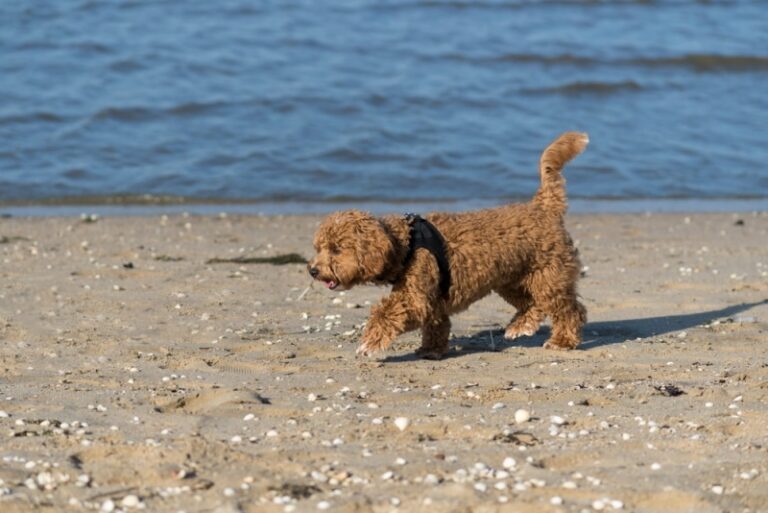
In general, the Schnese is a small-to-medium sized dog with a sturdy build, weighing between 7-15 pounds and standing 10-14 inches tall at the shoulder. They have a round head with a short muzzle, dark expressive eyes, and cute floppy ears.
Their coat is usually medium-to-long in length, soft and silky to the touch, and may be wavy or slightly curly. Common coat colors include black, white, cream, silver, and brown, often with markings like the Mini Schnauzer‘s distinctive "eyebrows" and "mustache."
Temperament and Personality
So what‘s it like to live with a Schnese? As with any cross breed, temperament can vary, but in general, the Schnese is an intelligent, curious, and playful companion who loves being the center of attention. They tend to bond closely with their owners and thrive on human interaction.
Like their Havanese ancestors, Schneses are usually outgoing and friendly, quick to welcome guests with a wagging tail. They‘re adaptable little dogs who do well in many living situations, from apartments to houses with yards, as long as they get plenty of companionship and exercise.
From the Miniature Schnauzer side, the Schnese inherits a bold, alert nature and keen intellect. They can have a bit of a stubborn streak and aren‘t afraid to use their voice to express themselves, so early training is a must. Mental stimulation is just as important as physical activity to keep these clever dogs engaged.
The Schnese generally gets along well with respectful children and other dogs, thanks to their cheerful, social personality. However, their small size and potentially scrappy attitude means interactions with kids and big dogs should always be supervised. Their instinct to chase small furry animals means homes with pet rodents or rabbits may not be ideal.
Training and Exercise
The key to a happy, well-behaved Schnese is early socialization and positive, consistent training from puppyhood. These smart cookies are quick learners, but they can also be independent thinkers with short attention spans. Keep training sessions upbeat and fun with plenty of treats and praise.
Like all dogs, Schneses need to learn good canine manners like sit, down, come, and walking politely on leash. Housetraining may require patience and consistency, as small breeds can be notoriously difficult to potty train. Crate training is recommended to prevent indoor accidents when you can‘t supervise.
As a fairly high-energy breed, Schneses require at least 30-60 minutes of exercise daily through walks, backyard play sessions, and brain-stimulating games. They tend to be agile and athletic, excelling at dog sports like flyball, agility, and rally. Puzzle toys and interactive games are great for rainy days.
Without enough physical and mental exercise, Schneses can become bored and destructive, resorting to problem behaviors like excessive barking, chewing, or digging. A tired Schnese is a good Schnese! But avoid overexerting your pup, especially in hot weather, as they can be prone to heat exhaustion.
Grooming and Health
The Schnese‘s soft, fluffy coat is undeniably adorable, but it does require regular maintenance to keep it looking its best. Plan to brush your Schnese at least 2-3 times per week (more often if the coat is kept long) to prevent mats and tangles. Occasional trims around the face, ears, and paws can help your pup see and move freely.
Schneses don‘t tend to be heavy shedders, but they‘re not hypoallergenic. Like all dogs, they produce dander (dead skin cells) which can trigger allergies in some people. Regular brushing and monthly baths can help reduce dander and loose hair around your home.
In addition to coat care, your Schnese‘s floppy ears should be checked and cleaned weekly to prevent infection. Dental chews and an occasional tooth brushing will keep their pearly whites healthy. Keep nails trimmed short to avoid painful splitting and cracking.
As a hybrid breed, Schneses can be susceptible to genetic health issues stemming from their parent breeds. While mixed breed dogs are often healthier than purebreds, it‘s still important for owners to be aware of potential problems like:
- Patellar luxation (kneecap dislocation)
- Hip dysplasia
- Eye disorders like cataracts and progressive retinal atrophy
- Heart conditions like patent ductus arteriosis
- Liver issues like portosystemic shunt
- Skin problems like allergies and sebaceous adenitis
Of course, not all Schneses will develop these conditions, but choosing a puppy from a reputable breeder who health tests their stock can stack the odds in your favor. Routine vet checkups, a nutrient-rich diet, and preventive care like keeping your dog at a healthy weight go a long way towards lifelong health.
Diet and Nutrition
The ideal diet for a Schnese is a high-quality, nutritionally balanced dog food formulated for small breeds. Whether you choose dry kibble, canned food, or a homemade diet, ensure it is appropriate for your dog‘s age (puppy, adult, or senior) and health status. Your vet is the best resource for tailoring a diet plan.
As a small breed with a fast metabolism, Schneses usually do well with 2-3 meals per day rather than one large serving. Monitor your dog‘s weight and body condition regularly, as even a few extra pounds can strain their joints and internal organs. Use treats sparingly and opt for healthy options like small bits of plain cooked meat or veggies.
Avoid feeding your Schnese table scraps, especially fatty, spicy, or sugary foods which can cause digestive upset and contribute to obesity. Certain human foods like grapes, raisins, onions, garlic, and chocolate are toxic to dogs and should never be given. Always provide access to fresh, clean water.
Compatibility with Kids and Other Pets
With their playful, people-loving personality, Schneses can make wonderful companions for families with children. However, their small size means they can easily be injured by rough handling or accidental falls. Teach kids to interact gently and respectfully with the dog, supervising all interactions.
Similarly, Schneses usually enjoy the company of other dogs, but care must be taken when introducing them to much larger breeds or dogs with a high prey drive, as the Schnese‘s small size may trigger chasing or aggressive behavior. Early and frequent socialization is key to helping your Schnese feel confident.
As mentioned, the Schnese‘s instinct to chase small animals means they may not be trustworthy around pet rodents, rabbits, or cats unless raised with them from a young age. Even then, interactions should be carefully monitored to prevent tragedy. Secure small pets in a separate room when the dog is loose in the home.
Fun Facts About the Schnese
Still curious about this cuddly little cutie? Here are a few fun facts about the Schnese:
- Celebrity Schnese owners include comedian Robin Williams, whose beloved pup Leonard often accompanied him to movie sets and interviews.
- The Havanese is the national dog of Cuba, and is affectionately nicknamed "Havana Silk Dog" for its enviably soft, silky coat.
- At just 7-15 pounds fully grown, the Schnese is one of the smallest Schnauzer mixes. Their kissable size and portable weight make them great travelers.
- Schneses are often described as having a spring in their step, trotting with a lively, prancing gait that showcases their confidence and charm.
- The Miniature Schnauzer ranks 19th in Stanley Coren‘s The Intelligence of Dogs, thanks to their trainability and problem-solving prowess. The clever Schnese likely inherits those smarts!
Conclusion
If you‘re looking for a small dog with a big heart and an even bigger personality, the Schnese could be your perfect match. With their endearing looks, keen intelligence, and loving nature, these vivacious little charmers make delightful companions for many households.
Of course, no breed is ideal for everyone. Schneses require a significant investment of time to train, socialize, and exercise, and a lifelong commitment to their grooming and healthcare needs. They can be prone to barking, separation anxiety, and mischief if their needs aren‘t met.
But for devoted dog lovers who are willing to put in the work, the rewards of Schnese ownership are immense. Their clownish antics will keep you laughing, their snuggly nature will melt your heart, and their beguiling spirit will enrich your life in countless ways.
So if you think the sprightly Schnese could be your treasured new family member, do your research, find a responsible breeder, and get ready to welcome one of these captivating little canines into your heart and home. With love and care, your Schnese will be a faithful friend for years to come.