The Curly-Coated Retriever: A Unique and Versatile Companion


Are you looking for an athletic, unique-looking dog with a rich history and independent spirit? Consider the Curly-Coated Retriever. As one of the oldest retriever breeds, the Curly has a proud legacy as a versatile hunting and companion dog. While they may not be as well-known as Labrador or Golden Retrievers, Curlies have a devoted following among those who appreciate their distinctive looks, intelligence, and loyal nature.
History and Origins
The Curly-Coated Retriever‘s exact origins are a bit of a mystery, as no detailed breeding records survive from the breed‘s early days. However, we do know that Curlies were developed in England, likely in the late 1700s, to serve as retrieving gun dogs. Artwork featuring Curly-like dogs dates back over 300 years, while written accounts begin popping up in the early 1800s.
Most experts believe Curlies descended from now-extinct breeds like the English Water Spaniel and the Retrieving Setter, with some influence from Irish Water Spaniels, small Newfoundlands, and later, Poodles. The result was a dog well-suited to retrieving game from land or water, with a protective coat and tireless work ethic.
As one of the first recognized retriever breeds, the Curly set the stage for the later development of more familiar breeds like the Labrador and Golden. While those breeds have since eclipsed the Curly in popularity, the Curly remains a capable, if uncommon, choice for hunters and active families.
Appearance and Coat

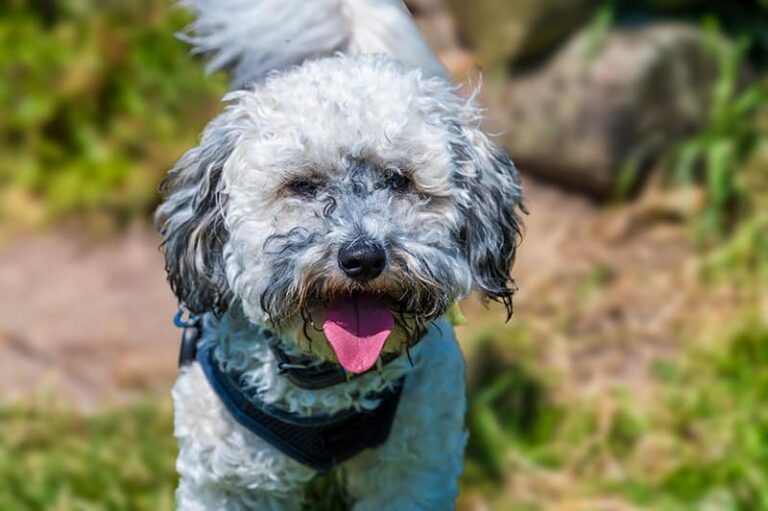
The Curly-Coated Retriever‘s most distinctive feature is, of course, that unique curly coat. Made up of short, tight curls, the Curly‘s coat is unlike any other retriever. It‘s more than just an aesthetic feature, though – the dense, water-resistant coat protects the Curly from harsh weather and icy water during long days in the field.
The coat comes in two accepted colors: solid black or liver. Interestingly, the curls only cover the dog‘s body, with the face and front of the legs being straight-haired.
In terms of size, male Curlies stand 25-27 inches at the shoulder and weigh 60-95 pounds, while females are 23-25 inches tall and weigh 60-85 pounds. They have a sturdy, balanced build with strong legs and a deep chest, reflecting their history as tireless working dogs.
Personality and Temperament
"My Curly is a true clown – always up for an adventure, yet content to cuddle on the couch at the end of the day. But she is independent and doesn‘t just obey without good reason. Curlies really keep you on your toes!" – Sarah K., Curly owner for 7 years
Many Curly-Coated Retriever enthusiasts describe the breed as having an independent streak and some of the aloofness may believe the breed aloof, but owners say they are deeply loyal and form strong bonds with their families. While they may not be as overtly affectionate with strangers as some other retrievers, Curlies are playful, even-tempered companions when properly trained and socialized.
As highly intelligent dogs originally developed for complex hunting tasks, Curlies need extensive mental stimulation to prevent boredom and destructive behaviors. They bore easily with repetitive tasks, so owners should aim to keep training sessions varied and exciting. Curlies excel at activities that provide a sense of purpose, like hunting, search and rescue, therapy work, and dog sports.
One unique quirk of the breed is their slow maturation rate. Curlies retain puppy-like traits and energy for their first couple years of life. While this extended period of jauntiness is endearing, it also requires extra patience from owners when it comes to training and curbing excitable behaviors.
Exercise and Training

As athletic working dogs, Curly-Coated Retrievers require extensive daily exercise to stay physically and mentally fit. Expect to provide at least 60-90 minutes of high-intensity activity each day, although individual dogs‘ needs may vary. In addition to jogging, hiking, swimming (a Curly favorite), and games of fetch, many Curlies excel in dog sports like:
- Hunting/field trials
- Agility
- Nose work
- Dock diving
- Flyball
- Rally obedience
Mental exercise is just as crucial as physical for this bright, engaged breed. Puzzle toys, scent games, trick training, and regular command work can help keep your Curly stimulated.
When it comes to training, Curlies are quick learners capable of mastering complex commands. However, their independent nature shines through here. Curlies don‘t always see the point of rote obedience and may choose to ignore cues if they don‘t know their reason.
"Training a Curly-Coated Retriever requires a gentle hand, lots of positive reinforcement, and a willingness to laugh at yourself. They‘ll keep you guessing, that‘s for sure. But watching them put their all into learning a new skill is incredible." – Tom R., Curly breeder and field trial competitor
Owners must balance firmness and consistency with a great sense of humor. Curlies are sensitive and don‘t respond well to harsh corrections. Keep training upbeat and varied to hold your Curly‘s focus. Curlies thrive with clear leadership and opportunities to work alongside their people.
Health and Lifespan
The average lifespan for a Curly-Coated Retriever is 10-12 years. As a medium-large breed, they can be prone to certain health issues including:
- Hip dysplasia (affects an estimated 8% of the breed according to the Orthopedic Foundation for Animals)
- Eye disorders like progressive retinal atrophy (PRA)
- Certain cancers, especially lymphoma and hemangiosarcoma
- Epilepsy
- Luxating patellas
- Hypothyroidism
Responsible Curly breeders screen breeding stock for hip, eye, and thyroid issues. According to a 2009 breed health survey by the Curly-Coated Retriever Club of America, about 58% of Curlies will be diagnosed with some form of cancer during their lifetime, underscoring the importance of regular vet care and monitoring for the breed.
Grooming and Care
One of the Curly‘s most attractive features for busy owners is their remarkably low-maintenance coat. Despite its unusual texture, the Curly‘s coat requires little grooming beyond occasional baths when dirty. In fact, brushing can cause the signature curls to frizz, so it‘s best to just leave the coat alone.
Curlies do shed, with more fur loss occurring a couple times a year. During these periods, go over the coat with a slicker brush or shedding tool to remove loose fur. Pay special attention to the ears, as the curly fur can trap dirt and moisture, potentially leading to infections.
Is a Curly-Coated Retriever Right For You?
Curly-Coated Retrievers can make excellent companions for active singles or families looking for a bright, agile dog breed a bit out of the ordinary. However, their exercise needs, independent nature, and rarity mean they aren‘t the ideal choice for every home.
Curlies do best with experienced owners willing to put in the time for training and socialization. Expect to provide ample daily outdoor exercise as well as regular mental stimulation in the form of advanced training, puzzle toys, and interactive play.
As a rare breed with only around 150 puppies registered each year, Curlies can be tough to find and may require a wait. Expect to spend $1800-$2500 on a well-bred pup, not including lifetime care costs.
The tight-knit Curly community is a fantastic resource for learning more about the breed. Reach out to Curly owners, breeders, and the Curly-Coated Retriever Club of America to determine if the breed‘s temperament and needs fit your lifestyle.
"There‘s no dog quite like a Curly. They have such presence. I have a busy household with kids and other dogs, and my Curly takes it all in stride. She‘s just as happy being independent as she is in the middle of the action." – John S., Curly owner and hunter

For dog lovers seeking an active, affectionate companion with stunning good looks and strong working abilities, the Curly-Coated Retriever is hard to beat. While they may not be a household name like the Labrador, the Curly‘s deep history, distinctive appearance, and endlessly entertaining personality win plenty of fans.
As highly energetic and intelligent dogs, Curlies require committed owners willing to match the breed‘s physical and mental needs. But for those prepared to put in the time and effort, the Curly-Coated Retriever offers unparalleled loyalty, enthusiasm, and partnership through all of life‘s adventures. As long-time Curly breeder Jane S. says, "Once you‘ve had a Curly in your life, no other dog will do." While no breed is one-size-fits-all, the lively, lovely Curly-Coated Retriever may just be the versatile sporting companion of your dreams.
Sources and Further Reading
- Curly-Coated Retriever Club of America (https://www.ccrca.org/)
- "Curly-Coated Retrievers: What‘s Good About ‘Em? What‘s Bad About ‘Em?" by Michele Welton (https://www.yourpurebredpuppy.com/reviews/curlycoatedretrievers.html)
- "Breed Info: The Curly-Coated Retriever" by Elaine Gewirtz, Paw Print Genetics (https://www.pawprintgenetics.com/blog/2016/06/20/breed-info-the-curly-coated-retriever/)
- "Grooming the Curly Coat" by Darcy Hazen, Curly-Coated Retriever Club of America (https://www.ccrca.org/grooming)
- Orthopedic Foundation for Animals (https://www.ofa.org/diseases/breed-statistics#detail)