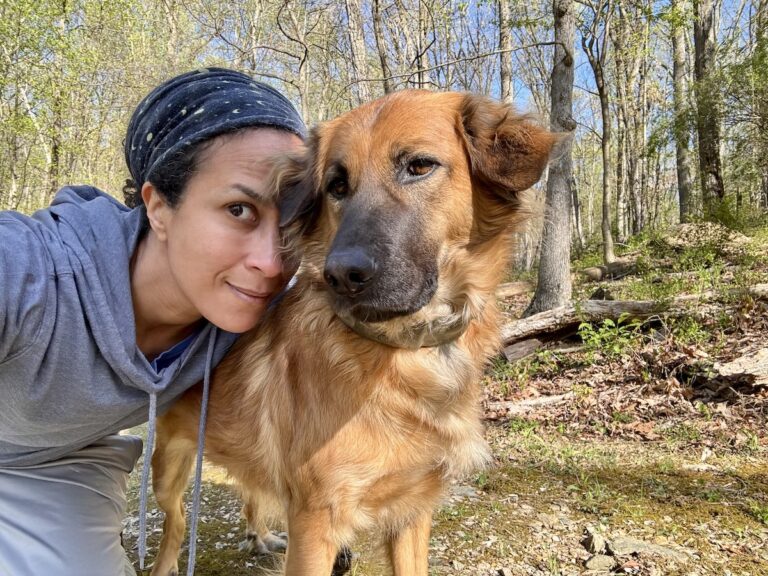
The Double Doodle: Your Guide to This Outgoing, Lovable Hybrid Dog

If you‘re a dog lover looking for an affectionate, fun-loving, and low-shedding companion, the Double Doodle may be your dream dog! This designer hybrid combines the best traits of three popular breeds – the Golden Retriever, Labrador Retriever, and Poodle. The result is an intelligent, social, adorable pup that is winning the hearts of dog owners around the world.
What Is a Double Doodle? A Breed Overview
The Double Doodle is a unique mixed breed dog that is a cross between two already-mixed breeds: the Goldendoodle (Golden Retriever + Poodle) and the Labradoodle (Labrador Retriever + Poodle). In essence, a Double Doodle is a "double dose" of all the desirable qualities of the friendly, trainable Retriever breeds and the intelligent, low-shedding Poodle.
So what does a Double Doodle look like? These dogs are typically medium to large in size, with males standing 24-29 inches tall at the shoulder and females 22-25 inches tall. A full-grown Double Doodle usually weighs between 50-80 pounds, or about the size and heft of a medium to large bag of dog food! They have sturdy, well-proportioned frames that are athletic but not overly bulky.
One of the signature features of the Double Doodle is their curly or wavy, low-shedding coat. Thanks to their Poodle heritage, many Double Doodles inherit a coat that produces less dander than the average dog, which is good news for allergy sufferers. However, no dog is truly 100% hypoallergenic, and individual allergies may still be triggered by a specific Double Doodle‘s coat.
Double Doodle coats come in a wide array of colors, including cream, apricot, gold, red, chocolate, black, and parti-color (multi-colored). Some sport the iconic Poodle-esque curls, while others have flatter or wavier hair. Regardless of color and texture, a Double Doodle‘s coat is plush, soft, and huggably cute!
History and Origin of the Double Doodle
The Double Doodle is a relatively new hybrid breed, first appearing in the early 2000s. Breeders in Australia and the United States began intentionally crossing Goldendoodles and Labradoodles with the goal of creating the ultimate family-friendly companion dog.
The Goldendoodle and Labradoodle were already growing in popularity, prized for their winning combination of retriever friendliness and Poodle intelligence and low-shedding coat. Combining the two Doodle mixes amplified their best traits while expanding the gene pool and potentially reducing the risk of inherited health issues.
Double Doodles quickly gained a loyal following among dog lovers seeking a smart, friendly, versatile dog suitable for families, therapy work, and more. While still far less common than their Goldendoodle and Labradoodle cousins, Double Doodles have steadily risen in popularity over the past two decades.
According to a study by Pets4Homes, the average price of Double Doodle puppies increased by 207% from 2019 to 2021 as demand surged. As of 2023, a Double Doodle puppy from a reputable breeder typically costs between $2,500 to $5,000. While definitely an investment, fans of the breed find the cost well worth it for a healthy, well-bred dog that provides years of companionship and love.
Double Doodle Temperament and Personality
One of the top reasons dog lovers adore Double Doodles is for their outgoing, affectionate personality. Double Doodles are known for being extremely friendly, social, and eager to please. They bond closely with their owners and love being around their family.
According to a survey by Double Doodle Rescue Collective, over 92% of Double Doodle owners described their dog as "friendly toward strangers," and 94% said their Double Doodle was "affectionate with family." So if you‘re looking for a loyal, loving companion, a Double Doodle will shower you and your family with affection.
Double Doodles also tend to be great with children of all ages. Their patient, gentle demeanor shines through in their interactions with kids. Of course, it‘s always important to supervise interactions between dogs and small children. But with proper training and socialization, Double Doodles can be wonderful playmates and snuggle buddies for children.
Thanks to their retriever heritage, Double Doodles are quite trainable and have a strong desire to make their humans happy. They respond well to positive reinforcement techniques and are usually fast learners. They excel at obedience, agility, and even therapy dog work.
Dr. Erica Irish, a veterinarian who has worked with many Double Doodles, attests that they "rank high in trainability and working intelligence. They tend to pick up new commands quickly and retain their training well, as long as their owner puts in the time and effort to work with them consistently."
While Double Doodles can adapt to a variety of living situations, they are moderately active dogs that need regular exercise and playtime. Daily walks, trips to the dog park, backyard play sessions, and mentally stimulating puzzle toys are a must to keep these smart dogs happy and healthy. A bored Double Doodle may resort to destructive chewing or excessive barking to burn off pent-up energy.
Grooming and Coat Care
As mentioned earlier, one of the key draws of Double Doodles is their low-shedding coat. However, "low-shedding" does not mean "no grooming needed"! Double Doodles require consistent coat care to keep their curls or waves looking shiny and mat-free.
Kayla Fratt, a certified dog trainer and owner of a Double Doodle, recommends brushing your Double Doodle at least three times per week. "I like using a slicker brush and a metal comb to make sure I‘m getting all the way down to the skin and not missing any tangles," she advises.
Regular brushing also helps distribute the natural oils in your Double Doodle‘s coat and skin, promoting a healthy, glossy coat. In addition to at-home brushing, plan to take your Double Doodle to a professional groomer every 6-12 weeks. An experienced groomer can trim your dog‘s coat to your preferred length, clean their ears, clip their nails, and do a thorough brushing.
Bathe your Double Doodle as needed, typically every 4-8 weeks. Use a gentle, dog-specific shampoo to avoid drying out their skin. Especially after swimming or playing in mud or dirt, be sure to rinse your Double Doodle‘s coat well and towel or blow dry to prevent matting.
If your Double Doodle has long, floppy ears (a possibility depending on which parent breed they take after more), be sure to check them weekly for signs of infection like redness, odor, or discharge. Use a damp cloth or cotton ball to clean your dog‘s outer ear as necessary. Avoid putting anything directly into their ear canal.
Feeding and Nutrition
As highly active dogs, Double Doodles need a diet that will provide them with balanced nutrition and ample energy. High-quality dog foods made with whole-food ingredients and a good balance of protein, fat, and carbohydrates are best.
Puppies should eat a puppy-formulated food divided into three meals per day until they are about six months old. At that point, they can transition to two meals per day of an appropriate amount of adult dog food. The exact amount of food your Double Doodle needs will depend on their age, size, activity level, and other factors. Your veterinarian can help you determine the correct serving sizes.
As a breed that loves to eat and may be prone to gaining excess weight, it‘s important to monitor your Double Doodle‘s calorie intake (including treats!) and keep them active. Obesity can lead to a host of health issues down the road.
Ingredients to look for in a quality dog food include whole meats like chicken or salmon as the first ingredient, whole grains like brown rice or oatmeal, and vitamin-rich fruits and vegetables. Avoid artificial colors and flavors. Limited-ingredient formulas may be helpful for Double Doodles with food allergies or sensitive stomachs.
Choosing a Double Doodle Breeder
If you‘ve decided that a Double Doodle is the right dog for you, your next step is finding a responsible breeder. While the lure of getting a puppy quickly and cheaply from a pet store or online ad may be tempting, these sources are often fronts for puppy mills that churn out dogs in inhumane conditions with little to no regard for health or temperament.
Instead, look for a small-scale, reputable breeder who is open and knowledgeable. They should health test their breeding dogs for issues relevant to Golden Retrievers, Labradors, and Poodles, like hip dysplasia and eye disorders. They should also offer a written guarantee, begin socializing puppies from a young age, and take the time to answer all your questions.
A good breeder will welcome you to meet the parent dogs and see where the puppies were raised. They won‘t let puppies leave their mother until at least 8 weeks old. They should make you sign a contract requiring that you return the dog to them if you ever can‘t keep it. A responsible breeder cares about their dogs for life, not just until they are sold.
Expect to join a waitlist for a puppy from a reputable breeder, and be prepared to pay $2,500 or more for a well-bred puppy. It‘s worth the wait and cost to get a healthy, well-socialized dog with a predictable temperament.
Another option is to adopt an adult Double Doodle from a breed-specific rescue. While harder to find than purebreds in shelters, some Double Doodles do end up needing new homes. Many all-breed rescues and Poodle mixes rescues take in Double Doodles. Adopting a dog has many benefits: they often have some training, their temperament is more apparent, and their adoption fee is far less than buying a puppy from a breeder.
Health and Life Expectancy
As a hybrid breed, Double Doodles may benefit from "hybrid vigor," meaning that crossing two different dog breeds can potentially reduce the risk of some inherited health conditions. However, Double Doodles can still be prone to some health issues seen in their Poodle, Golden Retriever, and Labrador Retriever parent breeds.
According to a study of Double Doodle owners by the University of Pennsylvania School of Veterinary Medicine, the most common health issues seen in the breed include:
- Hip dysplasia
- Allergies
- Ear infections
- Eye disorders like progressive retinal atrophy
- Skin conditions like sebaceous adenitis
Of course, not every Double Doodle will develop these health conditions, and there are many steps owners can take to promote their dog‘s health. Feeding a nutritious diet, maintaining a healthy weight, providing plenty of exercise and mental stimulation, and keeping up with preventative veterinary care like vaccines and parasite control all go a long way.
With good care, Double Doodles have an average life expectancy of 12-15 years. Choosing a puppy from health-tested parent dogs sets them up for success. From there, the love and care you give your Double Doodle throughout their life can help them live as long and healthy as possible.
Conclusion
Friendly, smart, affectionate, and cute to boot, Double Doodles have so many desirable qualities packed into a low-shedding, family-friendly package. If you can meet their needs for exercise, training, socialization, and grooming, a Double Doodle will be your devoted companion for years to come.
Whether you welcome home an impressionable puppy or an adult dog in need of a fresh start, get ready for lots of love and laughter with your new Double Doodle. With consistent care and training, your dog will be a well-behaved and cherised member of the family.
Just as your Double Doodle will love you unconditionally, owning one is a commitment you should take seriously. Be ready to provide for their needs and give them attention every day. In return, you‘ll have an affectionate shadow who thinks you are the center of the universe.
If you‘re ready to take the plunge into Double Doodle ownership, start researching and reaching out to reputable breeders or rescue organizations. Your perfect curly-coated companion is waiting for you!