The Enchanting Eskapoo: A Comprehensive Guide for Dog Lovers
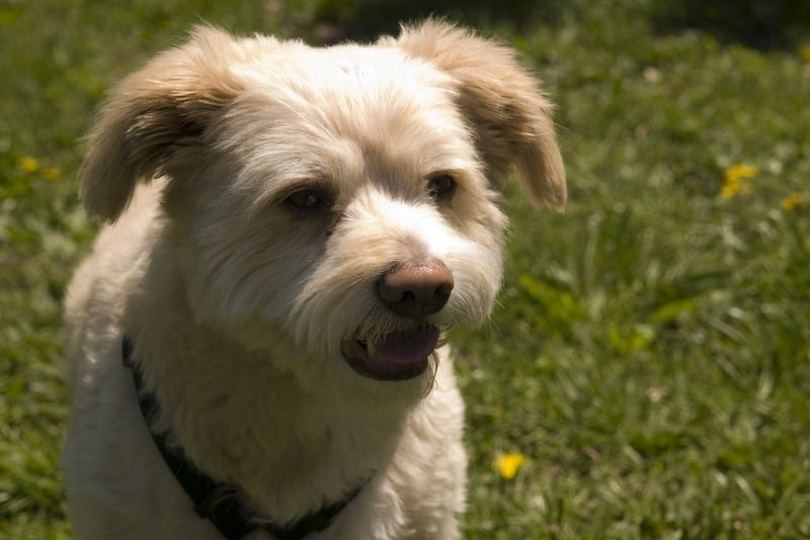
Are you dreaming of a devoted, intelligent dog with a teddy bear face and low-shedding coat? Meet the Eskapoo, an utterly charming hybrid of an American Eskimo Dog and a Poodle. While Eskapoos are still a relatively rare designer breed, these smart, social sweethearts are winning more fans every day.
As a canine behavior expert and unabashed dog lover, I‘m excited to share everything you need to know about the delightful Eskapoo. We‘ll explore this breed‘s origin, characteristics, care requirements, and more so you can decide if an Eskapoo is your ideal match. By the end, you‘ll appreciate why so many of us have fallen head over heels for these clever, cuddly companions.
The History of the Eskapoo
The Eskapoo‘s story begins in the late 1990s, when breeders started intentionally crossing American Eskimo Dogs and Poodles. The goal was to create a friendly, low-shedding companion dog with the best traits of both parent breeds. While we don‘t know exactly when the first Eskapoo litter was born, breed registries like the Dog Registry of America, Inc. started recognizing these dogs in the early 2000s.
As a newer hybrid, Eskapoos aren‘t recognized by major kennel clubs like the AKC or UKC. But they have a growing following among owners looking for an adorable, affectionate pet. Eskapoo enthusiasts appreciate these dogs‘ combination of intelligence, playfulness, and easy-care coats.
Of course, it‘s important to remember that designer dogs aren‘t purebreds. Even within the same litter, Eskapoo puppies can vary in appearance and temperament based on which parent breed they favor. But ethical breeders work hard to produce healthy, well-socialized Eskapoos with consistent qualities. We‘ll explore the general traits of this captivating canine next.
Eskapoo Characteristics
Size and Proportions
An Eskapoo‘s size depends on whether their Poodle parent is toy, miniature, or standard sized. Most Eskapoos are bred from toy or miniature Poodles, resulting in a small-to-medium dog. Here‘s a general size chart for adult Eskapoos:
| Height | Weight |
|---|---|
| 9-12 in (toy) | 6-10 lbs |
| 12-15 in (mini) | 10-20 lbs |
| 15-18 in (standard) | 20-30 lbs |
Source: DogZone.com
Eskapoos usually have a sturdy, proportionate build with a deep chest and strong legs. They often inherit the American Eskimo Dog‘s wedge-shaped head and the Poodle‘s proud, upright carriage.
Coat and Colors
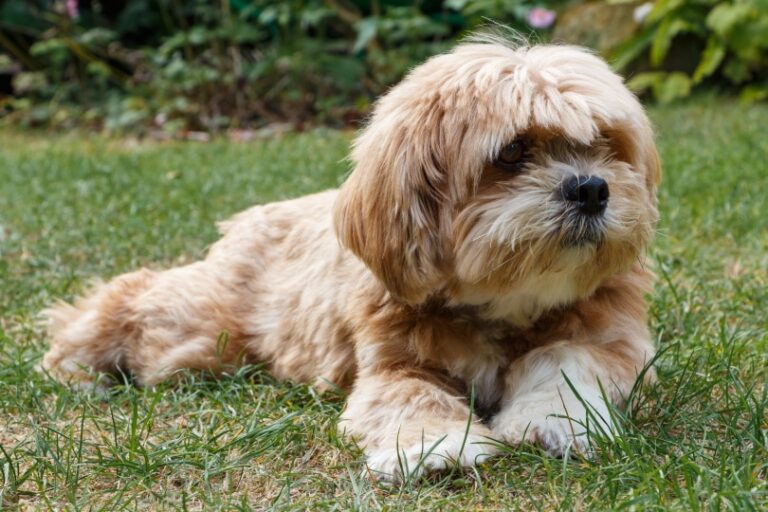
One of the Eskapoo‘s most endearing traits is their soft, fluffy coat. They typically have medium-to-long wavy or curly hair that feels plush to the touch. While no dog is 100% hypoallergenic, Eskapoos are considered a low-shedding, low-dander breed that may be a good choice for some allergy sufferers.
Eskapoos come in a delightful array of coat colors, including:
- White (often with some cream)
- Cream
- Apricot
- Red
- Black
- Parti (patches of white and another color)
- Phantom (specific markings on the eyebrows, muzzle, chest, and legs)
According to a study of 350 Eskapoos by the Eskapoo Owners Association, the most common coat colors are:
- White/Cream: 60%
- Apricot/Red: 25%
- Black: 10%
- Parti/Phantom: 5%
As you can see, the American Eskimo Dog‘s snowy white coat tends to be dominant in Eskapoos. But there‘s plenty of adorable variety in this breed‘s appearance.
Facial Features
Eskapoos are known for their expressive, winsome faces. They usually have dark, almond-shaped eyes that radiate intelligence and warmth. Their ears are triangular and set high on the head, giving them an alert, attentive look.
Eskapoo muzzles are of medium length with a defined stop (forehead-to-nose angle). Their noses are typically black or dark brown. And thanks to the Poodle influence, Eskapoos often sport the rounded, fluffy cheeks and puffy chin of a teddy bear cut.
Temperament and Training
As the offspring of two whip-smart breeds, Eskapoos are very intelligent and trainable dogs. They excel at learning tricks, navigating obstacle courses, and performing complex tasks. Many Eskapoos work as therapy dogs, service animals, and search-and-rescue partners.
But Eskapoos aren‘t just brainy – they‘re also deeply affectionate and people-oriented. These are "Velcro dogs" that love nothing more than being near their favorite humans. According to a temperament survey by National Purebred Dog Day, over 93% of Eskapoo owners describe their dogs as "extremely devoted" to them.
That said, Eskapoos need positive, consistent training from puppyhood to develop good manners and self-control. Use reward-based methods like clicker training and lots of praise to motivate your Eskapoo. Harsh corrections can damage your bond with these sensitive pups.
Socialization is Essential
Like any dog, Eskapoos need plenty of socialization to become confident, well-adjusted pets. Expose your Eskapoo puppy to a variety of people, animals, and environments in a calm, encouraging way. Sign up for a puppy kindergarten class and schedule playdates with gentle, vaccinated dogs.
Well-socialized Eskapoos are typically outgoing, friendly pooches that enjoy meeting new friends. They can get along well with respectful children and often love the companionship of another dog. However, Eskapoos may view smaller pets like rabbits and guinea pigs as prey, so careful introductions and supervision are key.
Exercise Needs and Living Arrangements
While Eskapoos are adaptable dogs, they‘re not couch potatoes. These lively pups need at least 30-60 minutes of physical activity per day, plus plenty of mental stimulation. A bored, under-exercised Eskapoo may develop bad habits like excessive barking, digging, or chewing.
Fortunately, Eskapoos are up for just about any adventure. They‘ll happily join you for hikes, jogs, swims (Poodles are water dogs!), and romps in a securely fenced yard. Indoors, keep your Eskapoo‘s agile mind engaged with puzzle toys and games like hide-and-seek.
Eskapoos can thrive in apartments or houses as long as they get enough exercise and attention. Just remember that they may alert bark at sounds in the hallway or outside the window. If you work long hours, hire a dog walker or enroll your Eskapoo in doggie daycare to prevent separation anxiety.
Health and Grooming
With proper care, Eskapoos can live 12-15 years. But like all breeds, they‘re prone to certain health conditions. Some issues to watch for include:
- Luxating patellas (slipping kneecaps)
- Hip dysplasia
- Eye problems like progressive retinal atrophy
- Endocrine disorders like Addison‘s disease and hypothyroidism
- Bloat (gastric torsion)
To help your Eskapoo stay healthy, feed a high-quality, age-appropriate dog food and maintain a regular preventive care schedule with your vet. Brush your Eskapoo‘s teeth daily, trim their nails every 2-4 weeks, and check their ears weekly for signs of infection.
Coat Care
Eskapoos usually need daily brushing with a pin brush or slicker brush to keep their wavy-to-curly coats free of tangles. Bathe them every 4-8 weeks with a gentle, moisturizing shampoo. And don‘t forget regular trips to a groomer experienced with Poodle cuts for clipping and styling every 6-8 weeks on average.
Finding Your Forever Friend
If you‘re ready to welcome an Eskapoo into your home, take your time to find an ethical breeder or rescue group. Responsible Eskapoo breeders prioritize the health and welfare of their dogs above profits. They should provide proof of genetic testing, let you meet the parents and puppies in person, and offer a written contract and health guarantee.
Expect to pay $1500-3000 for a well-bred Eskapoo puppy, with higher prices for dogs from champion bloodlines or with rarer coat colors. You might also find an adult Eskapoo in need of rehoming through Poodle, American Eskimo Dog, or all-breed rescue organizations. Adopting an older dog can be a wonderful way to skip the puppy stage while still enjoying the Eskapoo‘s endearing qualities.
A Personal Connection
As a canine expert and lifelong dog devotee, I‘ve been lucky enough to share my life with several Eskapoos over the years. These bright, merry dogs never fail to make me smile with their clownish antics and deep devotion.
One of my most memorable Eskapoos was a mini-sized boy named Ollie. This 15-pound bundle of fluff was my constant companion on hikes, beach trips, and coffee shop visits. He loved performing tricks to make new friends and was a master at the shell game (find the hidden treat under a cup).
But what I cherished most about Ollie was his emotional intelligence. This dog could sense my moods and always knew when I needed a cuddle or a good laugh. He saw me through some tough times and reminded me daily of the healing power of the human-canine bond.
While every Eskapoo is an individual, I believe these dogs have a special capacity for love and understanding. They may be small in stature, but Eskapoos have hearts as big as all outdoors. If you‘re looking for a devoted friend to share your life‘s adventures, an Eskapoo may be your perfect match.
Conclusion
As we‘ve seen, the Eskapoo is a delightful hybrid breed that combines the smarts, spunk, and sweetness of the American Eskimo Dog and Poodle. While no dog is right for everyone, Eskapoos can thrive in many homes with proper training, socialization, and care.
Whether you‘re seeking a lively playmate, a loyal lap warmer, or a clever companion for hikes and trips, an Eskapoo may tick all the boxes on your canine wish list. Just be prepared to give these affectionate, energetic dogs plenty of exercise, attention, and love in return.
As a canine expert and unabashed Eskapoo admirer, I hope this guide has given you a comprehensive overview of this captivating breed. While Eskapoos may still be relatively rare, I believe these smart, social, utterly charming dogs have a bright future ahead. With more devoted owners discovering their delightful qualities every day, Eskapoos are sure to win even more hearts in the years to come.