Otterhound Size: Understanding the Dimensions of a Rare and Remarkable Breed
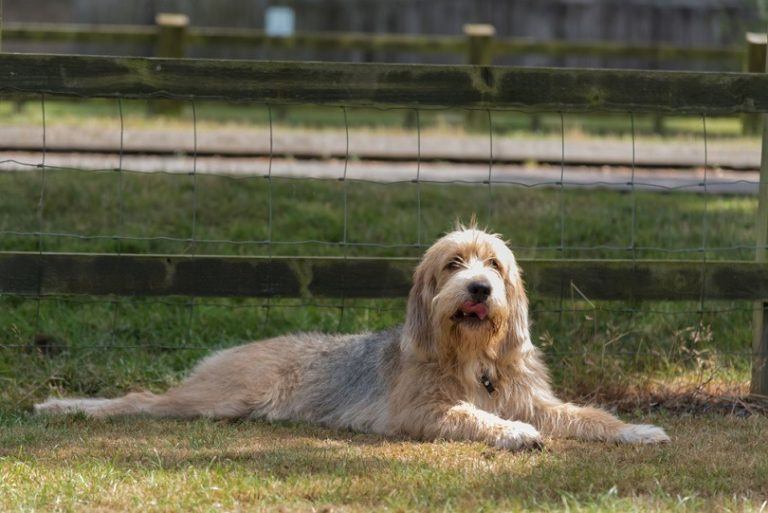
As a dog lover, I‘m always intrigued by breeds that break the mold in terms of size, shape, and overall presence. The otterhound is one such breed that never fails to impress with its substantial stature and striking appearance. But what exactly makes this rare dog so physically remarkable? Let‘s dive into the details of otterhound size and what it means for this breed‘s history, health, and life as a companion animal.
A Big Dog with a Big History
The otterhound‘s size and shape are no accident – they are the result of centuries of selective breeding for a very specific purpose: hunting otters. Developed in medieval England, otterhounds were prized for their ability to pursue their aquatic quarry both in and out of the water. As one of the earliest scent hound breeds, they have a keen nose and tireless work ethic.
To create a dog capable of keeping up with the agile, elusive otter, breeders prioritized certain physical traits:
- Long, muscular legs for speed and power
- A deep chest for ample lung capacity
- Webbed feet for efficient swimming
- A thick, water-resistant double coat for insulation
Over time, these characteristics combined to create a dog of impressive size and strength. By the 19th century, the otterhound had reached its current proportions and was a popular choice for otter hunts across Britain. However, as otter populations declined and hunting fell out of favor, the breed‘s numbers dwindled. Today, the otterhound is one of the rarest dog breeds in the world, with only an estimated 600 individuals worldwide. 1
Otterhound Size by the Numbers
So just how big is an otterhound? Let‘s look at the breed standard measurements:
| Otterhound Size | Male | Female |
|---|---|---|
| Height | 27 inches | 24 inches |
| Weight | 115 pounds | 80 pounds |
| Body Length | 36-42 inches | 34-38 inches |
As you can see, otterhounds are sizeable dogs, with males standing over 2 feet tall at the shoulder and weighing in at an average of 115 pounds. Females are slightly smaller but still substantial at 24 inches tall and 80 pounds. From nose to tail, an otterhound‘s body can reach up to 3.5 feet long!
To put that in perspective, here‘s how the otterhound stacks up against some other familiar large breeds:
| Breed | Height (Male) | Weight (Male) |
|---|---|---|
| Otterhound | 27 inches | 115 pounds |
| Labrador Retriever | 22.5-24.5 inches | 65-80 pounds |
| German Shepherd | 24-26 inches | 65-90 pounds |
| Bloodhound | 25-27 inches | 90-110 pounds |
| Irish Wolfhound | 32-34 inches | 120-155 pounds |
As you can see, otterhounds are on the larger end of the spectrum, outweighing labs and German shepherds and standing shoulder-to-shoulder with bloodhounds. Only the giant Irish wolfhound consistently exceeds the otterhound in height and heft.
Living Large: The Otterhound Experience
What is it like to live with such a large, strong dog? I spoke with Karen Smith, an otterhound breeder and owner for over 20 years, to get her firsthand perspective:
Otterhounds are not for the faint of heart! They are big, boisterous dogs that need a lot of space and exercise. My males top 130 pounds and can easily knock over a small child or adult if they get too excited. That said, they are also incredibly gentle and affectionate with their families. They just need training and outlets for their energy.
Karen emphasized the importance of a secure, fenced yard for otterhounds to run and play. She also noted that the breed‘s size can make certain activities more challenging:
Otterhounds love to swim and will take every opportunity to jump in the water, whether it‘s a lake, pool, or muddy puddle. But getting a wet, 115-pound dog back in the car is no easy feat! You need to be prepared with towels, a sturdy ramp or step, and a spacious vehicle. Even basic grooming tasks like bathing and nail trimming require extra effort with such a substantial dog.
Despite the practical challenges, Karen says the otterhound‘s size is a big part of its appeal:
There‘s just something majestic about a big, shaggy otterhound loping along with that effortless stride. They have a presence that turns heads and starts conversations. And when an otterhound leans against you or rests its head in your lap, you really feel the weight of that affection. It‘s a special bond.
Health Considerations for a Large Breed
As with any large or giant breed dog, otterhounds have some specific health considerations related to their size. The breed‘s rapid growth rate as puppies makes them susceptible to developmental orthopedic diseases like hip and elbow dysplasia. Responsible breeders take care to screen parents for these issues and feed a specialized large-breed puppy diet to control growth.
Otterhounds also have a relatively short lifespan for their size, averaging 10-13 years. 2 This is in part due to the increased risk of certain cancers and age-related illnesses like arthritis and heart disease. Regular vet check-ups, a healthy diet, and moderate exercise throughout life can help otterhounds make the most of their years.
On the plus side, otterhounds are generally a robust, healthy breed with few inherited disorders. Their size and strength served them well in their original working role and continue to be an asset in their modern lives as companions.
Charting Otterhound Growth
One of the most fascinating aspects of otterhound size is watching these dogs develop from birth to full maturity. Like most large breeds, otterhounds grow rapidly in their first year of life, then continue to fill out and muscularize for another year or two.
Here‘s a general timeline of otterhound growth:
| Age | Male Weight | Female Weight |
|---|---|---|
| Birth | 1 pound | 1 pound |
| 2 months | 20-25 pounds | 15-20 pounds |
| 4 months | 45-50 pounds | 35-45 pounds |
| 6 months | 65-75 pounds | 50-60 pounds |
| 1 year | 90-100 pounds | 70-80 pounds |
| 2 years | 115-130 pounds | 80-95 pounds |
As you can see, otterhounds pack on the pounds quickly, with males averaging a gain of over 10 pounds per month in their first six months! Females are not far behind, often reaching 50-60 pounds by the time they are spayed at 6 months old.
This rapid growth rate means otterhound puppies have high energy and nutritional needs. Experts recommend a diet formulated for large breed puppies to ensure balanced calories and calcium levels for controlled bone development. Regular vet check-ups are also essential to monitor growth and catch any potential issues early.
Big Dog, Big Responsibilities
Living with an otterhound means making some accommodations for the breed‘s size and strength. From puppyhood on, training and socialization are essential to ensure these big dogs develop good manners and impulse control. Positive reinforcement methods work best, as otterhounds can be sensitive and shutdown with harsh corrections.
In the home, otterhound-proofing is a must. These clever, inquisitive dogs are known to counter-surf, open cabinets, and even learn to operate doorknobs in search of food or fun. Karen Smith recommends using baby gates, locks, and other barriers to keep otterhounds out of trouble:
You have to stay one step ahead of an otterhound‘s mischief. They are so smart and persistent, if they want something, they will find a way to get it. I once had an otterhound that figured out how to open the refrigerator and help himself to a whole roasted chicken! Now I use childproof locks on all my appliances and keep food well out of reach.
Traveling with an otterhound requires some extra planning as well. The breed‘s size means they won‘t fit in a standard crate or carrier, so a sturdy, crash-tested harness is a must for car rides. Flying with an otterhound is even trickier, as they exceed the size limits for in-cabin travel and must go in the cargo hold, which can be stressful and potentially dangerous for any dog.
For otterhound owners, investing in a spacious vehicle with a rear lift gate or ramp is often a necessity. A minivan or SUV with removable seats provides ample room for crates, beds, and gear, plus easy access for the dog to hop in and out. Waterproof seat covers and rubber floor mats are also wise additions for these messy, mud-loving hounds!
Big Love for a Big Dog
Despite the challenges of living with a large, energetic breed, otterhound owners are passionate about their dogs. The breed‘s size is an integral part of its charm and personality.
As one long-time otterhound owner puts it:
There‘s nothing quite like the feeling of an otterhound leaning against your legs or curling up beside you on the couch. They are such solid, substantial dogs, but also so gentle and affectionate. When an otterhound looks up at you with those big, soulful eyes, you can‘t help but melt. The love they give is as big as they are.
In a world of shrinking living spaces and busy schedules, the otterhound is not a breed for everyone. But for those who have the space, time, and energy to devote to these majestic hounds, the rewards are equally outsized. The otterhound‘s rarity only adds to its appeal – owning one of these big, shaggy dogs is like being part of an exclusive club.
As the breed‘s numbers continue to dwindle, it‘s more important than ever to appreciate and preserve the otterhound‘s unique size and character. Through responsible breeding, health testing, and education, otterhound fanciers hope to secure a future for this remarkable breed.
For dog lovers drawn to large, active companions with a rich history and a bigger-than-life presence, the otterhound may be the perfect fit. Just be prepared for a lot of dog – and a lot of love – in one sizeable package!