
Discovering the Alaskan Klee Kai: A Veterinarian‘s Guide to This Rare Breed‘s Temperament and Care
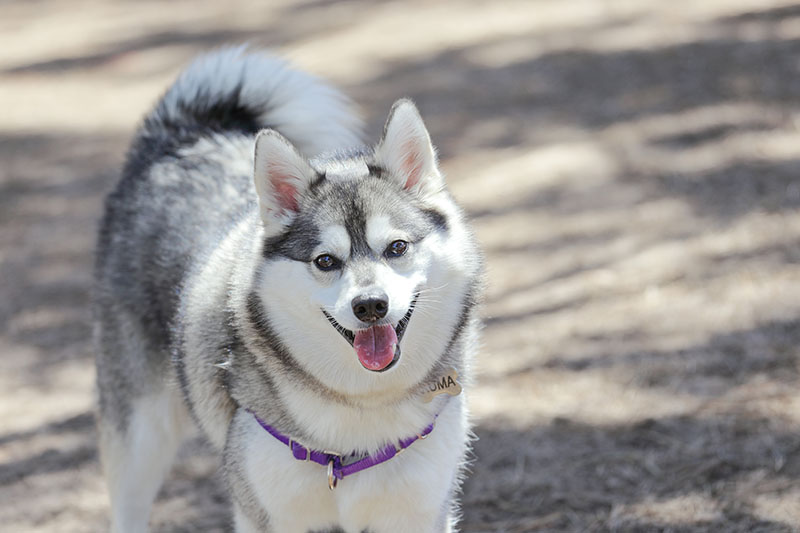
As a veterinarian and lifelong dog lover, I‘ve had the pleasure of working with countless breeds over the years. But there‘s one breed that never fails to stop me in my tracks with their striking looks and larger-than-life personality in a compact package: the Alaskan Klee Kai. If you‘re considering welcoming one of these rare and captivating dogs into your life, you‘ll want to learn all you can about their unique temperament, needs, and what it takes to be a great Klee Kai owner.
History and Development
First, a little background on this fascinating breed. The Alaskan Klee Kai was developed in the 1970s and 1980s by Linda Spurlin, an Alaskan resident who set out to create a smaller companion version of the Alaskan Husky. Spurlin carefully selected Alaskan Huskies with desirable traits and mixed them with Siberian Huskies, American Eskimo Dogs, and Schipperkes to produce a breed that resembled a miniaturized Husky while retaining the Spitz family‘s signature alertness, intelligence, and athleticism.
The name "Klee Kai" comes from the Athabaskan words meaning "small dog," and this breed certainly lives up to their diminutive moniker. According to the breed standards set by the American Kennel Club (AKC) and United Kennel Club (UKC), the Alaskan Klee Kai comes in three size varieties:
- Toy: Up to and including 13 inches at the shoulder
- Miniature: Over 13 inches and up to and including 15 inches at the shoulder
- Standard: Over 15 inches and up to and including 17 inches at the shoulder
The ideal weight for a Klee Kai ranges from 10 to 20 pounds, with males typically being larger and heavier than females.
Breed Recognition and Rarity
Although the Alaskan Klee Kai has been around for over four decades, they remain a rare breed. The American Rare Breed Association (ARBA) recognized the Klee Kai in 1995, and the United Kennel Club granted full recognition in 1997. The breed was admitted to the AKC‘s Foundation Stock Service (FSS) in 1997, the first step towards full AKC recognition.
As of 2023, the Alaskan Klee Kai is ranked 177th out of 200 breeds in popularity by the AKC, with an estimated 5,000 to 10,000 dogs worldwide. Their rarity means that finding a reputable Klee Kai breeder may require some research and patience, but the wait is well worth it for the right owner.
Temperament and Personality
So what is it like to live with an Alaskan Klee Kai? As a Spitz breed, the Klee Kai tends to be independent, intelligent, and alert. They are deeply loyal and affectionate with their chosen humans but can be reserved or even aloof with strangers. Early and ongoing socialization is crucial to help your Klee Kai develop into a confident, well-adjusted adult dog.
Socialization means exposing your Klee Kai puppy to a wide variety of people, animals, environments, and experiences in a positive way. Puppy kindergarten classes are a great start, as are gradual introductions to new sights, sounds, and textures. Create a socialization checklist to ensure your puppy gets to experience everything from riding in the car to meeting people of all ages and ethnicities to build their confidence.
As a veterinarian, I cannot stress enough the importance of socialization for the Klee Kai. Without it, their natural wariness can develop into fearfulness or even aggression. Well-socialized Klee Kai, on the other hand, are a joy to be around – playful, curious, and friendly with everyone they meet.
Exercise and Activity Level
The Alaskan Klee Kai may be small in stature, but they have a mighty need for exercise and mental stimulation. Bred from working sled dogs, the Klee Kai has plenty of energy to burn and a keen intellect that thrives on challenge. Plan to provide your Klee Kai with at least 45 to 60 minutes of exercise each day, broken up into walks, play sessions, and training time.
The Klee Kai excels at dog sports like agility, rally obedience, and flyball, which provide a great bonding opportunity for dog and owner while burning off physical and mental energy. Puzzle toys and interactive feeders are also a must to keep your Klee Kai‘s agile mind engaged when you can‘t play with them directly.
As with all dogs, a tired Klee Kai is a good Klee Kai. Without enough exercise and mental stimulation, this clever breed may resort to destructive behaviors like chewing, digging, or excessive barking. Keep your Klee Kai busy and you‘ll have a happy, well-behaved companion.
Training and Socialization
Training is another critical component of life with a Klee Kai. As an intelligent breed, the Klee Kai learns quickly – for better or for worse! Use positive reinforcement training techniques like clicker training, treat rewards, and lots of praise to teach your Klee Kai good manners and fun tricks. Avoid harsh corrections or punishment-based methods, as the sensitive Klee Kai may shut down or become fearful in response.
Socialization and training go hand-in-hand for the Alaskan Klee Kai. A well-socialized Klee Kai is a confident, friendly dog who enjoys meeting new people and going to new places. A poorly socialized Klee Kai, on the other hand, may be shy, fearful, or even aggressive in novel situations.
Start socializing your Klee Kai puppy as soon as you bring them home by gradually exposing them to a variety of people, animals, places, and experiences. Make each experience positive with plenty of treats, praise, and playtime. Puppy kindergarten classes are a great way to jumpstart socialization in a safe, controlled environment.
Health and Lifespan
Like all purebred dogs, the Alaskan Klee Kai is prone to certain genetic health conditions. Responsible breeders screen their breeding stock for issues like luxating patellas (slipping kneecaps), juvenile cataracts, cardiac issues, and autoimmune thyroiditis. The Canine Health Information Center (CHIC) recommends the following health tests for Alaskan Klee Kai:
- Patella evaluation
- Ophthalmologist evaluation
- Cardiac exam
- Thyroid profile
When considering a Klee Kai breeder, ask about the health testing they perform and request to see certificates from organizations like the Orthopedic Foundation for Animals (OFA) and the Canine Eye Registry Foundation (CERF). A reputable breeder will be happy to share this information and discuss the health of their breeding dogs.
With proper care and screening, the Alaskan Klee Kai has a lifespan of 12 to 16 years. As a small breed, they tend to live longer than their larger cousins. Regular veterinary check-ups, a high-quality diet, and plenty of exercise can help your Klee Kai live a long, healthy life by your side.
Grooming and Care
One of the most striking features of the Alaskan Klee Kai is their gorgeous, thick double coat. While they shed moderately year-round, expect heavier shedding or "blowing coat" twice a year as the seasons change. Weekly brushing with a slicker brush and undercoat rake can help remove loose fur and keep your Klee Kai looking their best.
Thanks to their Spitz heritage, the Klee Kai is a relatively clean breed with little doggy odor. They only need occasional baths, unless they‘ve gotten into something particularly messy. Trim your Klee Kai‘s nails every few weeks, brush their teeth daily, and check their ears weekly for signs of infection.
Living with an Alaskan Klee Kai
As a veterinarian, I‘ve had the pleasure of meeting many Alaskan Klee Kai over the years. One thing that always strikes me about this breed is their incredible bond with their owners. Klee Kai are not casual pets – they crave human companionship and will follow their favorite person from room to room, always eager to be involved in whatever their human is doing.
This devotion is a double-edged sword, however. The Alaskan Klee Kai does not thrive when left alone for long periods of time. They can develop separation anxiety, destructive behaviors, and excessive barking if forced to spend too much time solo. The ideal Klee Kai owner works from home, has a flexible schedule, or can bring their dog to work with them.
On the flip side, a Klee Kai who gets plenty of quality time with their human is a joyful, playful, and endlessly entertaining companion. They love to be in the thick of family life, whether that means going for hikes, running errands, or just hanging out on the couch for movie night.
One of my favorite things about the Klee Kai is their incredible expressiveness. With their alert, triangular ears, keen almond-shaped eyes, and signature head tilt, the Klee Kai has a knack for conveying everything from curiosity to mischief to pure adoration with just a glance. They are also quite talkative, with a wide range of vocalizations from soft woofs to dramatic howls to communicate their needs and feelings.
Fun Facts and Famous Klee Kai
-
The Alaskan Klee Kai played a starring role in the 2006 Disney movie Eight Below, which told the story of a team of sled dogs stranded in Antarctica. The Klee Kai‘s wolf-like appearance made them a natural choice for the film.
-
Celebrity Klee Kai owners include YouTube star Jenna Marbles, who has two Klee Kai named Marbles and Kermit, and Game of Thrones actress Sophie Turner, who has a Klee Kai named Porky Basquiat.
-
The Alaskan Klee Kai is often mistaken for a miniature Husky or even a wolf pup due to their striking resemblance to their larger cousins. However, the Klee Kai is a distinct breed with a unique history and temperament.
Final Thoughts
If you‘re looking for a small dog with a big personality, fierce intelligence, and an unbreakable bond with their human, the Alaskan Klee Kai might just be your perfect match. This rare breed is not for everyone – they require plenty of exercise, mental stimulation, socialization, and human companionship to thrive. But for the right owner, the Klee Kai is a once-in-a-lifetime dog who will fill your days with laughter, love, and endless adventure.
As a veterinarian and dog lover, I am constantly amazed by the Alaskan Klee Kai‘s resilience, adaptability, and zest for life. With their striking good looks, keen intelligence, and devoted nature, it‘s no wonder this breed has captured the hearts of so many. If you‘re ready to welcome a Klee Kai into your life, be prepared for a journey filled with joy, challenges, and the unconditional love only a dog can bring.


