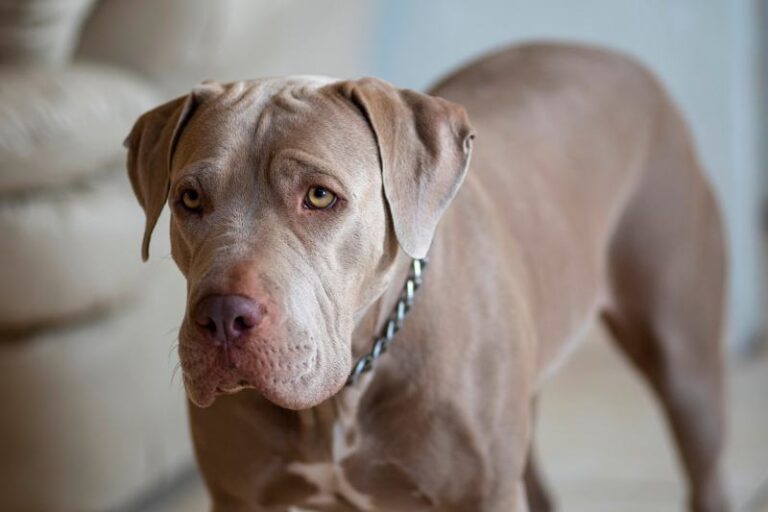
The Miniature Cocker Spaniel: A Comprehensive Guide to This Sweet and Spirited Breed

Are you looking for a small, lively companion dog with a happy-go-lucky personality? If so, the miniature cocker spaniel may be the perfect pooch for you! These spunky little spaniels are a scaled-down version of the beloved cocker spaniel, but with the same signature silky coat, expressive eyes, and affectionate nature. As a veterinarian and lifelong dog lover, I‘m excited to share everything you need to know about caring for a miniature cocker spaniel.
Breed History and Overview
The miniature cocker spaniel, also known as the mini cocker or teacup cocker spaniel, is not technically a distinct breed recognized by major kennel clubs like the American Kennel Club (AKC). Rather, they are cocker spaniels that have been bred down in size through selective breeding of the smallest individuals in each litter. The regular cocker spaniel originated in the United Kingdom in the 19th century, where they were used as hunting dogs to flush out woodcock and other game birds. Their adorable appearance eventually made them popular companion dogs and show dogs.
Today‘s miniature cocker spaniels stand about 10-12 inches tall and weigh between 12-20 pounds on average, compared to 13-15 inches and 24-30 pounds for a standard cocker spaniel. Like full-sized cockers, mini cockers come in a variety of stunning coat colors, including solid black, red, brown, and parti-colors like black and tan or red and white. Their long, lush coats require regular brushing and trimming to stay tangle-free and healthy.
Personality and Temperament
Miniature cocker spaniels may be small in stature, but they have huge hearts and vibrant personalities. These happy-go-lucky dogs are known for being extremely affectionate with their families. They crave human companionship and love nothing more than snuggling on the couch or playing in the yard with their favorite people. Mini cockers tend to get along well with children, making them excellent family pets. They are also usually friendly with other dogs and non-canine pets like cats.
As with most spaniels, the miniature cocker is an intelligent and trainable breed. They are quick learners and highly food motivated, which means they respond well to reward-based training methods using treats or praise. House training and basic obedience come easily to most mini cockers. That said, they can have a bit of a stubborn streak and may occasionally test boundaries, so firm and consistent training is a must.
One thing to keep in mind is that miniature cocker spaniels are prone to separation anxiety if left alone for long periods. These devoted dogs need plenty of attention and companionship to be happy. Destructive behaviors like excessive barking, chewing, or having accidents in the house can develop if they are frequently left by themselves for hours on end. If you work long hours or travel often, a mini cocker may not be the ideal breed for your lifestyle.
Exercise and Activity Level
Don‘t let their small size fool you – miniature cocker spaniels have moderate to high exercise needs. As descendants of sporting dogs, mini cockers have plenty of stamina and energy to burn. Most will need at least 30-60 minutes of physical activity per day, broken up into a couple walks and some playtime in a fenced yard or dog park. Engaging them with interactive toys and puzzle feeders is also important to keep their clever minds stimulated.
Luckily, their compact size makes mini cockers well-suited to apartment living as long as they get sufficient daily exercise. They also tend to be less high-strung than some toy breeds. Unlike many small dogs that are content to be carried, mini cockers generally enjoy walking on their own four paws and keeping up with their humans on outings. In fact, many mini cockers make excellent hiking or jogging companions!
Grooming and Coat Care
One of the most striking features of the miniature cocker spaniel is their gorgeous coat. Mini cockers sport the same silky, flowing hair as their full-sized counterparts. The coat is a single layer that grows continuously and comes in a range of lovely colors like black, chocolate, red, golden, cream, and white. Many mini cockers have a combination of two or more colors in their coat.
While undeniably beautiful, the miniature cocker‘s crowning glory does require a fair bit of upkeep. To prevent painful mats and tangles, mini cockers need to be brushed thoroughly at least 2-3 times per week. Professional grooming every 6-8 weeks is also recommended to trim the coat, clean the ears, and clip the nails. Fortunately, most mini cockers take well to grooming and even seem to enjoy the pampering!
It‘s important to note that miniature cocker spaniels are moderate to heavy shedders. While no dog is truly hypoallergenic, the mini cocker is not the best choice for allergy sufferers. Regular brushing and the occasional bath can help reduce loose hair around the house. However, if you can‘t stand finding hair on your clothes and furniture, the mini cocker may not be the breed for you.
Health and Lifespan
With proper care, miniature cocker spaniels generally live between 12-15 years. Like all purebred dogs, mini cockers are predisposed to certain hereditary health issues. Responsible breeders screen their dogs for common problems to help produce the healthiest puppies possible. If you‘re considering a mini cocker, be sure to ask the breeder about the health history of the puppy‘s parents and other relatives.
Some health conditions that disproportionately affect miniature cocker spaniels include:
-
Progressive retinal atrophy (PRA): PRA is an inherited disorder that causes the retina to degenerate over time, eventually leading to blindness. Fortunately, a DNA test is available to identify dogs that carry the gene for PRA.
-
Hip dysplasia: This orthopedic condition occurs when the hip joint doesn‘t develop properly, leading to pain and lameness. Severe cases may require surgery.
-
Patellar luxation: Miniature cocker spaniels are prone to dislocated kneecaps, which cause the leg to lock up and skip while walking. Many affected dogs will kick the leg until the kneecap pops back into place. Surgery may be needed to correct the problem in some cases.
-
Eye issues: Mini cockers have a higher incidence of eye problems like cherry eye, dry eye, and cataracts compared to some other breeds. Regular veterinary exams and prompt treatment can help preserve your dog‘s vision.
-
Ear infections: The mini cocker‘s long, droopy ears trap moisture and debris, making them more susceptible to bacterial and yeast infections. Keeping the ears clean and dry is an essential part of mini cocker care.
While this list may seem alarming, the reality is that most miniature cocker spaniels are healthy, happy dogs. Feeding a high-quality diet, keeping your dog at a healthy weight, providing adequate exercise and preventive care, and working with a good breeder and veterinarian will set your mini cocker up for a long, vibrant life.
Is a Miniature Cocker Spaniel Right For You?
Now that you know more about the miniature cocker spaniel‘s appearance, personality, and health, is this the right breed for you? Mini cockers make wonderful companions for many types of homes, but they aren‘t ideal for everyone. Here are some factors to consider:
You may be a good match for a miniature cocker spaniel if:
- You are looking for a small to medium-sized affectionate companion
- You are able to provide at least an hour of exercise and interaction per day
- You don‘t mind regular brushing and trips to the groomer
- You want an intelligent, trainable dog
- You have another pet for your mini cocker to befriend
- You are willing to give your dog plenty of attention and rarely leave them alone for long periods
On the other hand, a miniature cocker spaniel may not be the best choice if:
- You are looking for a non-shedding or hypoallergenic breed
- You want an independent dog that can be left alone for long stretches
- You prefer a very laid-back or low-energy dog
- You have very young children who may accidentally injure a small dog
Fun Facts About Miniature Cocker Spaniels
To wrap up, here are a few entertaining tidbits about this delightful breed:
-
Famous miniature cocker spaniel owners include Oprah Winfrey, Princess Kate and Meghan Markle, and Elton John.
-
The cocker spaniel is named for the woodcock bird they were originally bred to hunt. The "cocker" in their name comes from their excellence at flushing these birds for hunters.
-
The mini cocker‘s sense of smell is second only to the bloodhound, making them excellent candidates for search-and-rescue work, drug and bomb detection, and medical alert dogs for conditions like epilepsy and diabetes.
-
Cocker spaniels have been featured in many movies, TV shows, and books over the years, including Lady from "Lady and the Tramp" and Copper from "The Fox and the Hound."
-
A miniature cocker spaniel named Toby holds the Guinness World Record for "Highest Jump By A Dog." He achieved a vertical leap of 5 feet 5.5 inches in 2021!
In conclusion, the miniature cocker spaniel is a charming, lively little dog with a huge capacity for love. If you are seeking an affectionate, intelligent companion to share your life, look no further than this merry mini spaniel! Just be prepared for plenty of grooming and togetherness – your new miniature cocker will want to be by your side every step of the way.