White Poodle: Facts,Pictures, History & Origin

White Poodles: Intelligent, Athletic and Hypoallergenic Companions
Introduction
When picturing a poodle, many people imagine an elegant white dog with a fancy haircut prancing beside its owner. While poodles come in many colors, white remains one of the most popular and iconic. But there‘s much more to these magnificent dogs than their signature style. White poodles combine breathtaking beauty with intelligence, athleticism, and a lovably playful personality.
Whether serving as loyal companions, skilled hunting dogs, or champions of the show ring and dog sports, white poodles have captured hearts for centuries. Let‘s take a closer look at what makes this majestic breed so special.
Physical Characteristics
The poodle is a squarely built, well-proportioned dog with proud carriage and an air of distinction and dignity. Poodles come in three size varieties:
- Standard Poodle (over 15 inches at the shoulder)
- Miniature Poodle (10-15 inches)
- Toy Poodle (under 10 inches)
Poodles have dark oval eyes, long flat ears that hang close to the head, and a relatively long, straight muzzle. Their most recognizable feature is the dense, curly coat that doesn‘t shed much compared to many other breeds. This makes them a popular choice for people with allergies.
While many picture poodles with elaborate continental clip or English saddle clip hairstyles, their coats can be styled in various ways or kept in a simple sporting clip. The iconic "poodle puff" on the head and ankles is meant to keep the joints and sensitive areas warm in cold water when hunting.
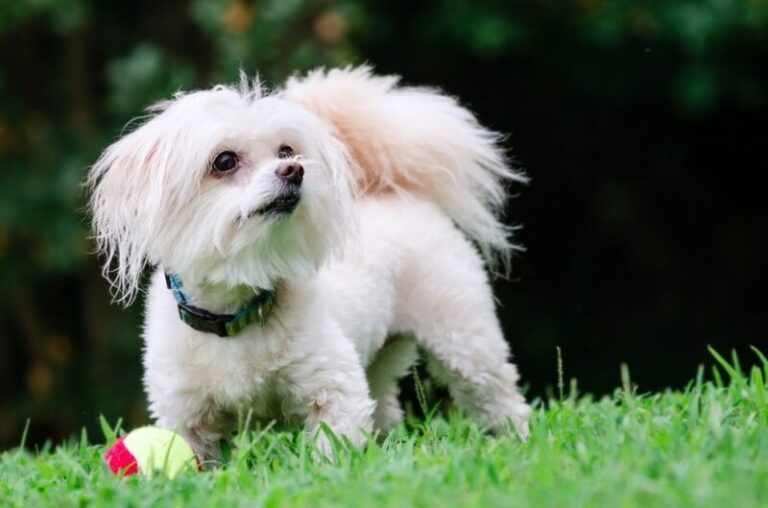
A white poodle should have a bright, immaculate white coat. White poodles are born white, in contrast to some other breeds that start out darker and lighten to white as they mature. Their nose, eye rims and lips are black, and the eyes are very dark. Toenails are black or self-colored. Cream and apricot are different poodle colors sometimes mistaken for white.
Temperament and Personality
Poodles are known for being extremely intelligent, second only to the Border Collie. They are eager to please and highly trainable, excelling at obedience, agility and other dog sports. Poodles have a joyful, bouncy personality and love being the center of attention.
As a people-oriented breed, poodles can become very attached to their families. They may experience separation anxiety if left alone too much. Poodles do best when someone is home with them for much of the day. While typically good with children, poodles can become overwhelmed by loud noises and rough handling, so interactions should be supervised.
Despite their regal air, poodles have a mischievous streak and love to play. They need daily mental stimulation and exercise to prevent boredom and destructive behaviors. Many poodle owners teach their dogs tricks and play memory games with them to keep them sharp. Poodles retain their youthful spirit and love of play well into their senior years.
With proper training and socialization from a young age, poodles get along well with other dogs and pets. They are not especially territorial and typically accept visitors and new people readily. While poodles will bark to alert their people to something unusual, they are not aggressive. Their friendly, adaptable nature makes them excellent therapy dogs.
White poodles have the same outgoing, intelligent, playful personality as any other color poodle. The only difference is the extra care needed to keep a white coat looking pristine.
History and Origin
Poodles descend from ancient European water dogs, with the earliest recognizable poodle-like dogs dating back to the 15th and 16th centuries in Germany and France. The name "poodle" comes from the German word "pudel" meaning "to splash in water."
Despite the poodle‘s association with France, the breed actually originated in Germany, where they were used as retrievers for duck hunting. Their moisture-resistant coats and strong swimming abilities made them excel in this role. Poodles spread across Europe, becoming very popular among the nobility in France.
In France, poodles moved into the role of companions and performers. Their intelligence made them popular circus dogs. An interesting historical note – the most famous "poodle" haircuts of pom-poms on the legs and tail were originally designed for Poodle mixes in France. They are traditionally called "Spaniel" clips.
The toy and miniature poodle varieties were bred down in size from the larger standard poodle much later. While miniatures have been around since the 1700s, the first toy poodle was bred in America in the early 20th century. These smaller poodles served as companions and truffle hunters.
The American Kennel Club (AKC) recognized the poodle breed in 1887. According to the AKC, the ideal poodle is a picture of "balance and proportion, carrying himself proudly." The breed standard allows for a variety of solid coat colors, of which white is one of the most popular.
From Water Dog to Show Dog
In the early to mid-20th century, poodles became popular entertainers in the developing sport of "championship" dog shows in both Europe and the United States. Their flashy looks, intelligence, and trainability helped them dominate the show ring.
Poodles held the record for most wins at the prestigious Westminster Kennel Club Dog Show in New York for over 20 years. To date, poodles have won "Best in Show" at Westminster 10 times (second only to the Wire Fox Terrier), with four of those wins by white standard poodles.
The elegant look of poodles in the show ring increased their popularity among the wealthy and celebrities. White toy poodles, in particular, became fashionable accessories among the upper class in the mid-20th century. Famous white poodle owners included Jacqueline Kennedy Onassis, Elizabeth Taylor, Marilyn Monroe, and Elvis Presley.
This popularity led to the stereotype of poodles, especially white poodles, as "frou frou" dogs. However, poodle enthusiasts know that underneath the fancy hairdo is a wickedly smart, athletic dog that loves adventure as much as cuddling on the couch.
Poodle Mixes and Designer Dogs
In the late 20th century, breeders began crossing poodles with other breeds to create "designer dogs" that combined the poodle‘s intelligence and low-shedding coat with traits of other breeds. The Cockapoo (Cocker Spaniel/Poodle cross) was one of the first "doodle" mixes, followed by the Labradoodle, Goldendoodle, and many more poodle crosses.
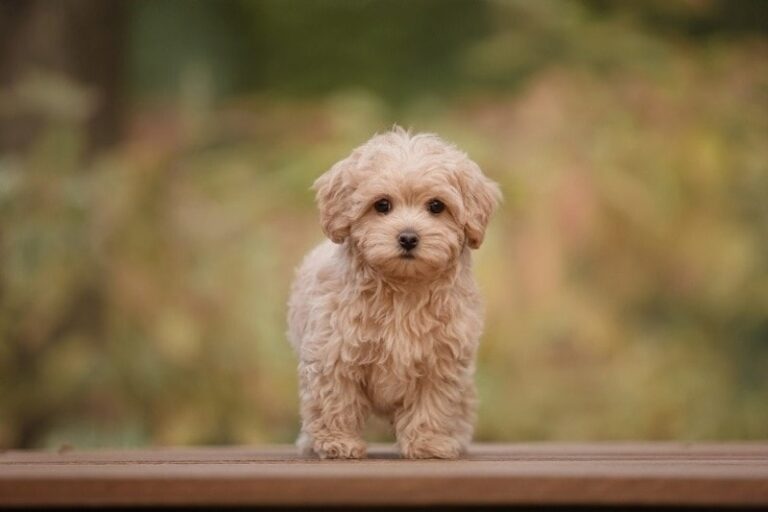
Some breeders have focused on breeding white poodles with other white or light-colored dogs (like the Bichon Frise or Maltese) to produce small white poodle mixes. These crosses are sometimes marketed as "rare white" or "teacup" poodle mixes.
It‘s important for potential dog owners to understand that many poodle mixes are bred for profit rather than health and temperament. Buyers should research breeders carefully and realize that the traits of mixed breed dogs are much less predictable than purebreds. There are also many wonderful poodle mixes available to adopt at shelters and rescues.
White Poodle Health and Care
Poodles are generally a healthy, long-lived breed with a lifespan of 12-15 years on average. However, like all breeds, they can be prone to certain inherited health conditions. White poodles have a higher incidence of deafness than other colors. Responsible breeders will have their white poodle puppies BAER (brainstem auditory evoked response) tested to check for deafness before placing them in homes.
Other health issues sometimes seen in poodles include:
- Hip dysplasia
- Eye disorders like progressive retinal atrophy
- Skin problems like sebaceous adenitis
- Addison‘s disease
- Thyroid issues
- Epilepsy
- Bloat (gastric torsion)
- Luxating patellas
- Legg-Calve-Perthes disease (toy poodles)
Many of these issues can be minimized by choosing a puppy from health tested parents. However, there is no guarantee that a dog will not develop one of these conditions. Pet insurance can help offset the cost of treating health issues over the dog‘s lifetime.
Grooming is an important part of poodle ownership. Poodles need regular brushing and haircuts every 4-6 weeks. White poodles may need more frequent baths to keep their coats bright. Many poodle owners invest in a set of clippers and learn to do basic trims at home between professional grooming appointments.
In addition to coat care, poodles need regular nail trims, ear cleaning, and dental care. White poodles may develop unsightly tear stains around their eyes that need regular cleaning. Keeping the face trimmed can help minimize staining.
Poodles need a high-quality, balanced diet to maintain their active lifestyle and coat health. Some poodles can have sensitive digestion, so it‘s important to choose a easily digestible food and avoid overfeeding.
Is a White Poodle Right For You?
White poodles can make wonderful companions for the right homes. They are best suited for owners who have the time and energy to keep up with their grooming and exercise needs. Poodles are adaptable and can thrive in many living situations as long as their people are attentive to their needs.
Potential poodle owners should be prepared for a dog that will shadow their every step and always be underfoot "helping" with daily activities. Poodles do not do well as outdoor-only dogs or left alone for long periods.
A fenced yard is ideal for poodle play sessions, but they can adapt to apartment life as long as they get adequate exercise. Poodles make excellent walking, jogging and hiking companions. Many also enjoy swimming and playing fetch.
For those looking for a smaller dog, toy and miniature poodles have the same wonderful traits as the standard in a more portable package. Elderly owners or those with limited mobility should be cautious about tripping over a tiny poodle and consider a miniature or standard.
When choosing a white poodle puppy, it‘s crucial to research breeders and look for one that does health testing on the parents, provides health guarantees, socializes the puppies, and will take the puppy back at any time if it doesn‘t work out. Avoid breeders advertising "rare white" or "royal white" poodles, as these are simply marketing terms.
Consider adopting an older poodle from a rescue organization for a lower-energy, less demanding option. Many wonderful poodles end up in rescues when their owners can no longer care for them. Adopting an adult dog lets you see their mature personality and grooming needs.
White Poodles in Popular Culture
White poodles, especially toys and miniatures, have long been popular with celebrities and featured in movies and television. Some famous white poodles in pop culture include:
- Gigi, Elizabeth Taylor‘s beloved white poodle who lived to be 17
- Maf (short for Mafia), a white toy gifted to Marilyn Monroe by Frank Sinatra
- Georgette, the glamorous white poodle in the animated Disney film Oliver & Company
- Foo-Foo, Miss Piggy‘s pampered pup in the Muppet universe
- Cleo, the precocious white miniature poodle in Clifford the Big Red Dog
- Boye, President Lyndon Johnson‘s white toy poodle who lived in the White House
Elvis Presley was a huge fan of poodles and owned several white poodles over the years, both toys and standards. A few even served as his "best dog" during his wedding to Priscilla.
Interesting Facts About White Poodles
- According to AKC registration statistics, white is the third most popular poodle color behind black and apricot.
- White poodles are born white, while cream poodles are born a darker color and lighten as they mature.
- White poodles may have a higher incidence of deafness than other poodle colors.
- A 10-year-old white toy poodle named "Baby" holds the Guinness World Record for fastest 10 hoop dog jump, clearing the hurdles in 7.5 seconds.
- Actress Betty White was devoted to poodles and owned many white poodles over her long life, both standards and miniatures. Her white miniature poodle named "Pontiac" was her constant companion on television appearances.
- The popular 1950s children‘s book Fifi: A Little French Poodle by Patricia Beer features a small white poodle who gets separated from her owner in Paris and has adventures before being reunited.
- In the 1800s, white poodles were sometimes called "Lion Dogs" and "Poodle Lions" because they were groomed to resemble lions in French dog shows.
- Sigma Gamma Rho, one of the country‘s oldest African American sororities, has a white toy poodle as its official mascot.
Conclusion
From their origins as hard-working German water dogs to their reign as the most popular dog breed in the mid-20th century, poodles have a long and fascinating history. The iconic white poodle, with its pristine coat and joyful spirit, embodies so many of the traits that have made poodles beloved companions for centuries.
While no dog is the right fit for every home, white poodles can thrive with owners who appreciate their intelligence, love of play, and need for togetherness. These active, athletic dogs are much more than pretty faces – they are confident, curious, and wickedly smart canines in glamorous disguise. With their clownish sense of humor, perceptive minds, and deeply devoted hearts, white poodles can be steadfast companions for life.