The Remarkable Pointer Dog: A Comprehensive Guide
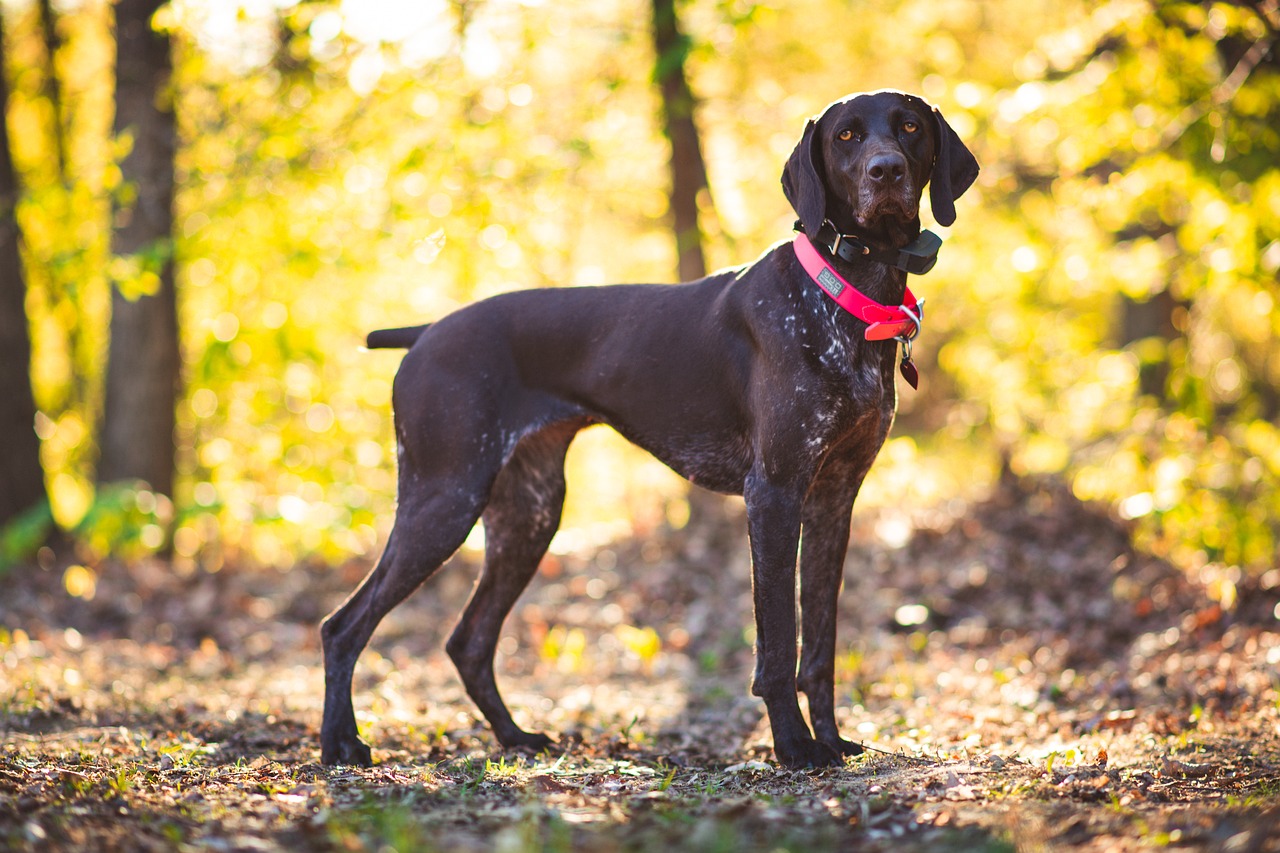
Table of Contents
- Introduction
- Breed History and Origins
- Physical Characteristics and Size
- Temperament and Personality Traits
- Exercise Needs and Energy Level
- Training and Socialization
- Grooming and Care
- Health Concerns and Lifespan
- Pointers as Family Companions
- Fascinating Pointer Facts
- Final Thoughts
1. Introduction
As a lifelong dog lover and veterinary professional, I have a deep appreciation for the many unique breeds that share our lives. One that consistently stands out is the Pointer, a noble and athletic hunting dog with a loyal heart. In this comprehensive guide, we‘ll delve into the history, characteristics, care requirements, and endearing qualities that make Pointers such a beloved breed.
2. Breed History and Origins
The Pointer‘s ancestry can be traced back several centuries to England, where they were developed as the ultimate gun dog. According to the American Kennel Club, the breed‘s progenitors likely include Spanish Pointers, Greyhounds, Foxhounds, and Bloodhounds, combined to create a dog with keen scenting ability, speed, and stamina.
Pointers were refined in the 1800s by British breeders and exported to America, where they quickly gained popularity among hunters and sporting enthusiasts. The Westminster Kennel Club, established in 1877, even features a Pointer in its logo. As one of the first nine breeds recognized by the AKC in 1878, Pointers have a long and distinguished history in the dog world.
3. Physical Characteristics and Size
Height and Weight
Pointers are medium-to-large dogs with a muscular, athletic build. Per the breed standard, ideal height at the shoulder is 25-28 inches for males and 23-26 inches for females. Healthy weights range from 55-75 pounds for males and 45-65 pounds for females.
Growth Patterns
Like many larger breeds, Pointers are slow to mature and may not reach their full adult size until 18-24 months of age. Pointer puppies grow rapidly between 3-6 months old, then continue to fill out gradually up to 2 years. It‘s important to feed a high-quality, age-appropriate diet and avoid over-exercising young Pointers to ensure healthy development.
Breed Comparisons
Pointers are often compared to other sporting breeds like German Shorthaired Pointers, Weimaraners, and Brittanys. Here‘s how the Pointer stacks up:
| Breed | Height (inches) | Weight (pounds) |
|---|---|---|
| Pointer | 23-28 | 45-75 |
| German Shorthaired Pointer | 21-25 | 45-70 |
| Weimaraner | 23-27 | 55-90 |
| Brittany | 17.5-20.5 | 30-40 |
As you can see, Pointers tend to be taller and heavier than Brittanys but are comparable in size to German Shorthairs and Weimaraners. Of course, individual dogs may fall outside these ranges.
4. Temperament and Personality Traits
Bred to work closely with hunters, Pointers crave human companionship and form strong bonds with their families. They are even-tempered, friendly dogs with a stable disposition. Kimberly Lockhart, a Pointer breeder and enthusiast, describes them as "affectionate and loyal companions who love being part of the family."
While not typically aggressive, Pointers have a high prey drive and may instinctively chase small animals. Early socialization and training are essential to teach appropriate behaviors. With their intelligence and eagerness to please, Pointers respond well to positive reinforcement methods.
As sporting dogs, Pointers have a lot of natural energy and stamina. They need plenty of daily exercise and mental stimulation to stay happy and well-behaved. A bored Pointer may become destructive or develop separation anxiety, so it‘s important to keep them active and engaged.
5. Exercise Needs and Energy Level
Pointers were bred to hunt all day in the field, so they have significant exercise needs. Expect to provide at least an hour of vigorous activity daily, preferably broken up into multiple sessions. Brisk walks, running, swimming, fetching, and hiking are all great ways to tucker out a Pointer.
In addition to physical exercise, Pointers need mental stimulation to prevent boredom. Puzzle toys, scent work, obedience training, and dog sports can help keep their minds active. Many Pointers excel in field trials, agility, flyball, and other canine athletics.
It‘s important to tailor exercise to your Pointer‘s age and health status. Puppies should have shorter, more frequent play sessions rather than prolonged forced exercise that can stress growing bones and joints. Senior Pointers may slow down but still need regular activity to maintain mobility and muscle tone.
6. Training and Socialization
As with all dogs, early socialization is crucial for Pointers to develop into confident, well-adjusted adults. Expose your Pointer puppy to a wide variety of people, animals, environments, and experiences in a positive way. Well-run puppy classes can be a great start.
When it comes to training, Pointers respond best to positive reinforcement methods like clicker training, praise, and high-value treats. Avoid harsh corrections or punishment, as these sensitive dogs may shut down or become fearful. Keep sessions short, fun, and rewarding to hold your Pointer‘s attention.
One of the most important skills to teach a Pointer is a reliable recall, as their hunting instinct may lead them to follow an interesting scent if not supervised. Start recall training early with a long line or in a fenced area, and practice often with lots of praise and rewards.
Consistency, patience, and clear boundaries will help your Pointer thrive. With proper training and socialization, they can be a joy to live with and take anywhere.
7. Grooming and Care
Pointers have a short, dense coat that sheds moderately year-round, with heavier shedding during seasonal changes. Weekly brushing with a hound glove or rubber curry can help remove loose hair and keep the coat shiny. Occasional baths are only needed if your Pointer gets particularly dirty.
Other grooming needs include regular nail trims, ear cleaning, and dental care. Brush your Pointer‘s teeth daily if possible, or at least a few times a week to prevent tartar buildup and gum disease. Check ears weekly for signs of infection like redness, odor, or excessive wax.
To keep your Pointer in tip-top shape, feed a high-quality diet appropriate for their age and activity level. Avoid overfeeding, as excess weight can stress joints and lead to health problems. Provide fresh water at all times and limit treats to 10% of daily calories.
8. Health Concerns and Lifespan
Pointers are generally a hardy breed with an average lifespan of 12-14 years. However, like all purebred dogs, they may be prone to certain genetic health conditions. According to the Canine Health Information Center (CHIC), responsible Pointer breeders screen for hip dysplasia, elbow dysplasia, eye disorders, and thyroid disease.
Some of the most common health issues seen in Pointers include:
- Hip dysplasia: abnormal development of the hip joint, causing pain and lameness
- Progressive retinal atrophy (PRA): degenerative eye disease that can lead to blindness
- Hypothyroidism: underactive thyroid gland, causing weight gain, hair loss, and lethargy
- Bloat: life-threatening condition where the stomach fills with gas and twists on itself
While these diseases can be concerning, many Pointers live long, healthy lives with proper care and screening. Choosing a reputable breeder who health tests their dogs and provides a warranty can help stack the odds in your favor.
9. Pointers as Family Companions
Pointers may be bred for hunting, but they also make wonderful family pets for active households. They are patient and playful with children, though supervision is important due to their size and exuberance. Pointers typically get along well with other dogs, and many enjoy the companionship of another canine buddy.
Cats and small animals may trigger a Pointer‘s prey drive, so careful introductions and management are key. Some Pointers can learn to peacefully coexist with family cats, but it‘s an individual thing.
Pointers thrive when they feel like part of the family and included in daily activities. They don‘t do well if left alone for long periods, so a Pointer may not be the best fit for people who work long hours. A tired Pointer is a good Pointer, so plenty of exercise and interaction is a must.
When considering adding a Pointer to your life, be honest about your lifestyle and activity level. If you enjoy outdoor adventures and want a loyal, affectionate companion to share them with, a Pointer could be your perfect match.
10. Fascinating Pointer Facts
- The first Pointer registered with the AKC, named "Sensation," is the official mascot of the Westminster Kennel Club and appears in their logo.
- Pointers have webbed feet, a trait that helps them swim efficiently and navigate varied hunting terrain.
- Famous Pointer owners throughout history include artist Pablo Picasso, author William Faulkner, and former U.S. president George Washington.
- A Pointer‘s sense of smell is estimated to be 1,000 times stronger than a human‘s, allowing them to detect prey from impressive distances.
- The breed‘s unique gait, called "running on point," involves lifting the front leg high off the ground as they run, almost prancing.
- Crufts, the world‘s largest dog show, has awarded Best in Show to a Pointer on four occasions (1932, 1981, 1985, and 2007).
- The first ever cloned dog was a Pointer named "Nicky," produced from an ear skin cell in a UK lab in 1981.
11. Final Thoughts
The Pointer is truly a versatile, remarkable breed with a rich history and endearing personality. From their humble beginnings as hunting dogs to their modern role as beloved companions, Pointers continue to captivate dog lovers around the world.
While they may not be the ideal fit for every household, Pointers can thrive in active, dedicated homes that provide plenty of exercise, training, and love. With their noble good looks, keen intelligence, and affectionate nature, it‘s easy to see why the Pointer has endured as a popular breed for centuries.
Whether you‘re looking for a skilled hunting partner, a lively family pet, or a four-legged friend to accompany you on all your adventures, the Pointer may just steal your heart. As veterinarian Dr. Marty Becker puts it, "Once you‘ve had a Pointer, you‘ll never point to another breed."