
The Truth About Dog Breeds That Bite: Dispelling Myths and Promoting Responsible Ownership
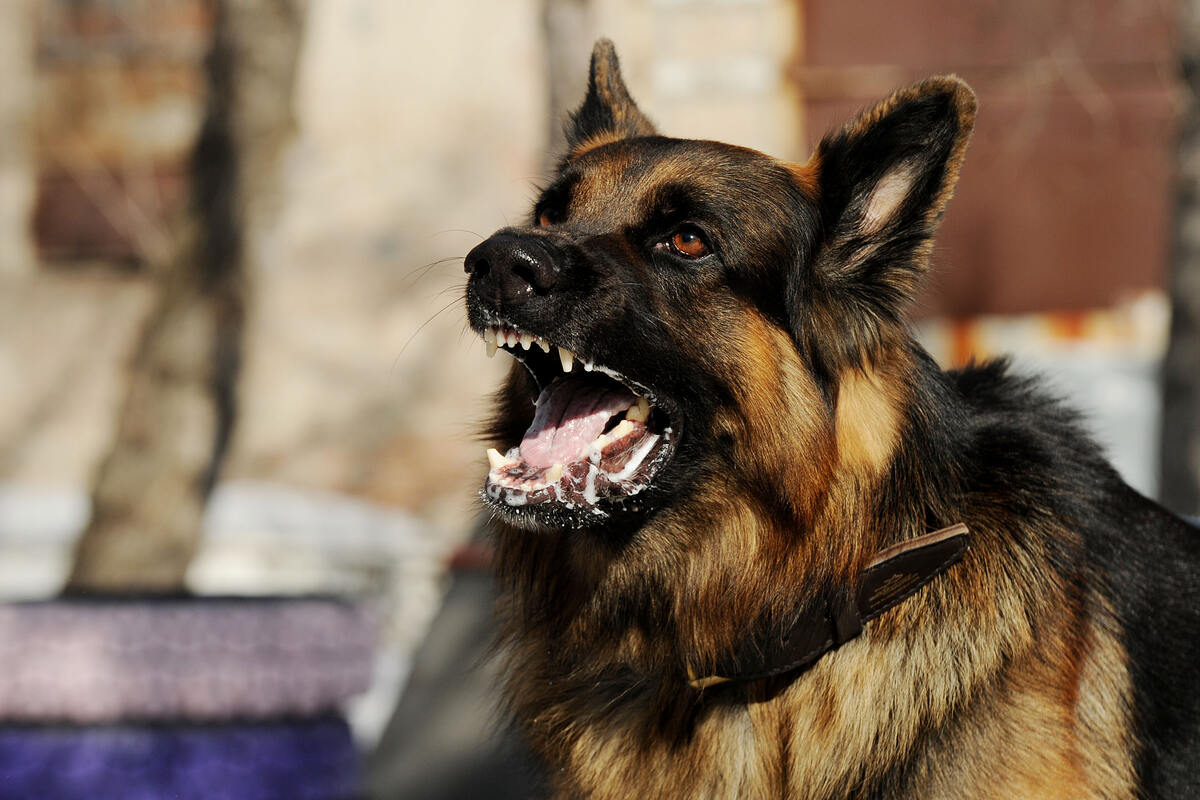
As a long-time dog lover and veterinary expert, I‘ve witnessed firsthand the unwarranted stigma and discrimination that certain dog breeds face due to perceptions that they are inherently aggressive or prone to biting. While it‘s true that some breeds are statistically more likely to be involved in bite incidents, a dog‘s breed alone does not determine whether they will bite. By dispelling common myths and examining the latest research, we can better understand the true risk factors for dog bites and how to prevent them through responsible ownership practices.
Dog Bite Statistics: A Closer Look
Each year, over 4.5 million dog bites occur in the United States, with 800,000 of those bites requiring medical care. Looking at the data on which breeds are most often involved in these incidents reveals some clear patterns. A 2021 study analyzing dog bite injuries over a 16-year period found that out of cases where the breed was known:
- Pit bulls were most frequently involved, with 380 injuries
- Mixed breeds had the second highest number at 169
- German shepherds were third with 116 reported bites
- Terriers and Rottweilers rounded out the top five
However, it‘s important to look beyond these statistics to understand the context and nuances behind them. "Pit bull" is not a single breed, but an umbrella term often used to describe several breeds like American Pit Bull Terriers, Staffordshire Terriers, and mixes with similar features. Visual breed identification is notoriously unreliable, so many dogs labeled as pit bulls in bite reports may not be genetically one of these breeds at all.
Polling data from vetSTAT also provides a more detailed breakdown of dog bite injuries by breed and severity:
| Breed | Minor Bites | Moderate Bites | Severe Bites | Total Bites |
|---|---|---|---|---|
| Labrador Retriever | 13.3% | 8.2% | 2.8% | 11.0% |
| Pit Bull | 8.4% | 13.0% | 15.7% | 10.4% |
| German Shepherd | 7.8% | 11.2% | 12.4% | 9.2% |
| Chihuahua | 4.2% | 3.6% | 1.1% | 3.8% |
| Rottweiler | 2.5% | 6.7% | 9.0% | 4.3% |
| Jack Russell Terrier | 3.9% | 3.1% | 1.1% | 3.4% |
When looking at severe bites requiring medical attention, larger breeds like pit bulls, German shepherds, and Rottweilers are clearly overrepresented compared to their percentage of total bites. However, even tiny Chihuahuas rank highly for minor and moderate bites. Considering the most popular family dog – the Labrador retriever – is responsible for the greatest overall number of bites, it becomes clear that a breed encompasses a wide spectrum of individual personalities.
Behind the Bite: Risk Factors for Aggression
So what is it about certain breeds that makes them more likely to bite? As a veterinarian, I can attest that a dog‘s size and strength plays a major role in their ability to inflict serious injury. Breeds with large muscular builds, big heads, and strong jaws like pit bulls, Rottweilers, and German shepherds have greater potential for damage. According to one study, the average bite force of a German shepherd is 238 pounds – compare that to just 70 pounds for a smaller golden retriever.
Genetics and ancestry also shape a breed‘s inherited behaviors. Many common bite risk breeds were originally bred for fighting, protection, or hunting purposes:
- Pit bulls and Staffordshire Terriers descend from bulldogs and terriers used in blood sports like bull-baiting and dog fighting, selected for tenacity and dog aggression.
- Rottweilers, Doberman Pinschers, and German Shepherds have histories as military, police, and personal protection dogs, prized for their loyal and fearless defense of territory.
- Jack Russells, Bull Terriers and other feisty small terrier types were bred to hunt vermin, grab prey, and not back down from a fight.
However, predisposition does not equal predestination for any individual dog. Proper socialization, training, and responsible breeding goes a long way in overcoming any aggressive genetic legacy. Even pit bulls, the breed group involved in the most recorded fatal attacks, pass temperament tests at higher rates than famously friendly golden retrievers when in the hands of conscientious owners.
On an individual level, the strongest scientific consensus is that a dog‘s environment and experiences are the best predictors of aggression, regardless of breed. Major risk factors include:
- Lack of socialization with people and other dogs, especially in the critical first 3-4 months of life
- Absence of positive obedience training and consistent boundaries from owners
- Prior abuse, neglect, or traumatic events like being attacked by another dog
- Sexual maturation – intact males are involved in 70-76% of dog bite incidents
- Insufficient physical and mental stimulation leading to frustration and pent-up energy
- Resource guarding of food, toys, territory or owners
- Pain or illness causing irritability and lowered bite inhibition
- Genetic predisposition to fear, anxiety, and impulsivity
Breed Stigma vs. Reality
Despite the evidence that aggression is far more situation-dependent than breed-inherent, unfair stigma against breeds like pit bulls, Rottweilers, German shepherds, Dobermans, and Chows persists. Peer-reviewed studies have found that even animal shelter workers, veterinarians, and other canine professionals are prone to judging a dog based more on its physical appearance than its behavior.
These stereotyped breeds are often portrayed as universally vicious in media reports of attacks, while their positive qualities go underreported. With appropriate training and socialization, Rottweilers and German shepherds are commonly employed as service dogs, military working dogs, and K9 officers, valued for their intelligence, trainability, and steadfast loyalty. Pit bull breeds are popular therapy dogs thanks to their affinity for people.
Countless heartwarming stories exist of stigmatized breeds saving lives and providing invaluable companionship:
- Lilly, a pit bull who lost a leg after being struck by a freight train while pulling her unconscious owner off the tracks
- Brutus, a Rottweiler who saved a young boy from drowning in a backyard pool
- Shelby, a Doberman Pinscher who alerted her family to a baby‘s dangerous drop in heart rate
- Buddy, a German shepherd who dialed 911 after his owner suffered a seizure
These instances rarely make headlines, but for every snarling Rottweiler on the news, there are thousands serving as gentle family pets, loyal protectors, and beloved companions. Sadly, pit bulls and other stereotyped "aggressive breeds" are by far the most likely to be abused, neglected, and exploited by humans for dog fighting. In a self-fulfilling prophecy, this mistreatment is a major reason for increased bite risk.
Beyond Breed: Owner Responsibility and Bite Prevention
While certain breeds will always have a size and strength advantage that requires extra vigilance, the most effective way to reduce dog bites across all breeds is through public education and responsible pet ownership practices. Dog bite prevention starts before a puppy even comes home, by researching breeds to find a reputable breeder or rescue that values health and temperament over appearance.
Owners should then dedicate themselves to:
- Extensive socialization with people, places, and animals in the sensitive period of 3-16 weeks old
- Force-free, reward-based training with clear rules and boundaries, building a strong bond
- Providing ample exercise, play, and mental stimulation for the dog‘s breed and energy level
- Teaching children to interact safely and respectfully with the family dog
- Spaying/neutering to reduce roaming, aggression, and dog-directed reactivity
- Properly containing and supervising the dog with fences and leashes
- Avoiding tying up, chaining, or isolating the dog for long periods
- Never hitting, kicking, shocking, or using other pain-inflicting punishments that erode trust
- Recognizing signs of stress like cowering, lip-licking, and tail-tucking before a growl or snap
- Seeking professional help at the first sign of concerning behavior like resource guarding
On a societal level, breed-specific legislation and bans have proven woefully ineffective at reducing dog bites. A 2021 literature review found no evidence that targeting certain breeds decreases bite rates or improves public safety, as the banned dogs are inevitably replaced with other large breeds. Restrictions may even increase bites by driving certain breeds underground with less socialization and oversight.
More effective solutions include subsidized spay/neuter programs, harsher penalties for animal abuse and dogfighting, educational campaigns about responsible pet ownership and bite prevention, and specialized training resources for owners of powerful breeds. With a force-free, science-based approach, even genetically predisposed dogs can learn to be trustworthy members of human society.
Keeping Bites in Perspective
Despite the very real physical and emotional trauma of a serious dog attack, the overall risk must be kept in statistical context. With over 76 million dogs living in U.S. homes as pets, the vast majority will never bite anyone. An average of 16 deaths per year occur from dog bites, compared to over 500 by stinging insects, 36 by lightning strikes, and 1 in 112 by automobile accidents.
Unjustified breed stigma and panic do far more damage than good, leading to widespread surrenders, euthanasia, and difficulty adopting out blocky-headed dogs languishing in shelters. As dog lovers, the onus is on us to be part of the solution with caring, committed ownership. Learn to speak dog and recognize signs of anxiety. Intervene if play gets too aroused. Advocate against abusive training methods and dog fighting. Support positive breeding practices and rescue efforts.
Every dog is an individual who deserves to be seen for their unique personality, not judged by stereotypes and statistics. While responsible owners must recognize that some dogs come with greater potential for harm if mishandled, no breed is born vicious. With socialization, training, and humane care, we can ensure that aggression never develops and keep bites vanishingly rare. Don‘t perpetuate prejudice against a dog who may become your most loving, loyal companion if given a fair chance.


