The Wonderful Woodle: Is This Poodle Mix the Perfect Dog for You?
Are you looking for an intelligent, friendly, and low-shedding family dog? The Woodle, a cross between a Poodle and a Welsh Terrier, might be your ideal match. With their teddy bear looks and delightful personalities, Woodles have been winning the hearts of dog lovers across the country.
In this comprehensive guide, we‘ll tell you everything you need to know about the Woodle dog breed, from their history and characteristics to their grooming and training needs. By the end, you‘ll have a good sense of whether this adorable Poodle mix is the right dog for you and your family. Let‘s dive in!
What Is a Woodle?
The Woodle is a relatively new hybrid dog breed developed by crossing a purebred Toy or Miniature Poodle with a Welsh Terrier. The goal was to create a small-to-medium sized companion dog that combined the intelligence and low-shedding coat of the Poodle with the spirited and friendly nature of the Welsh Terrier.
Woodles go by a few other names including Welshpoo, Welshdoodle, and Welsh Terrier Poodle Mix. But no matter what you call them, these designer dogs have been increasing in popularity with pet owners looking for a smart, active, and affectionate furry friend.
As a mixed breed, Woodles are not recognized by major kennel clubs like the AKC. However, they are recognized by some hybrid breed registries, such as the Dog Registry of America, which documents and records mixed breed dogs.
Woodle Characteristics and Appearance
Since the Woodle is a cross between two breeds, their appearance and size can vary quite a bit depending on which traits they inherit from each parent. In general though, here‘s what you can expect in terms of physical characteristics:
Size
Most Woodles are considered small-to-medium sized dogs. They typically weigh between 20-50 pounds and stand 15-20 inches tall at the shoulder when fully grown. The size can vary depending on whether they were bred from Toy or Miniature Poodles.
Coat
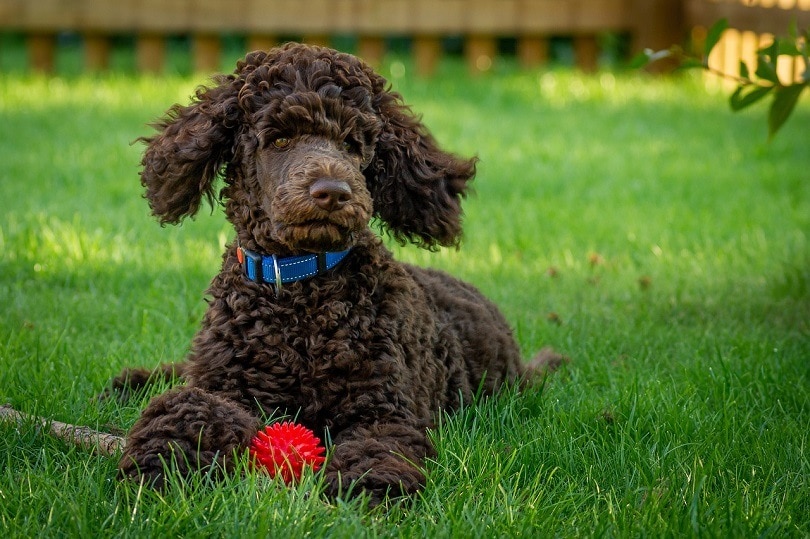
One of the most appealing qualities of Woodles is their low-shedding coat, which they inherit from their Poodle parent. Depending on which parent they take after more, Woodles can have wavy to curly fur that is medium to long in length. Regular brushing is needed to prevent matting and keep their coat looking its best.
Coat Colors
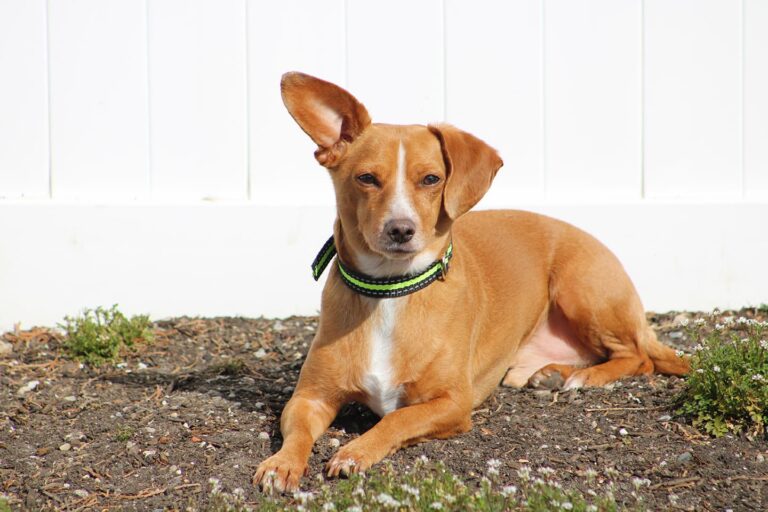
Woodles come in a range of colors including apricot, cream, tan, black, chocolate, white, and silver. Some have solid colored coats, while others inherit the classic Welsh Terrier pattern known as "black and tan" featuring a black jacket and tan legs, belly, eyebrows and beard. Woodles can also have a mix of colors in a parti or abstract pattern.
Other Physical Traits
Woodles have sturdy, compact frames with medium-length muzzles and almond-shaped eyes that give them an alert, intelligent expression. Their ears are mid-length and can be straight or slightly folded over. Their tails are usually docked to a medium length like a Welsh Terrier.
Woodle Temperament and Personality
Woodles are known for having the best qualities of both their parent breeds – the intelligence of Poodles and the lively, affectionate nature of Welsh Terriers. Most Woodle owners describe their pups as smart, playful, friendly, and devoted to their families.
As with any dog, temperament can vary between individual Woodles. But in general, you can expect Woodles to be:
- Intelligent and easy to train
- Active, playful, and energetic
- Friendly and outgoing with people
- Affectionate and devoted to their families
- Good with children when socialized early
- Adaptable to different living situations
- Low-shedding and good for allergy sufferers
Woodles have a moderate prey drive thanks to the Welsh Terrier in their heritage. So they may enjoy chasing small animals and should be supervised around cats, rabbits, and other small pets. With early socialization and training though, many Woodles can learn to coexist peacefully with other animals.
These pups also tend to have a decent watchdog instinct and will bark to alert you if strangers approach the home. However, their friendly nature means they are more likely to greet intruders with kisses and a wagging tail rather than any real aggression.
Grooming and Care
Woodles may have low-shedding coats, but that doesn‘t mean they are zero maintenance in the grooming department. Like Poodles and Welsh Terriers, Woodles require regular haircuts and brushing to keep their fur healthy and free of mats.
Plan to brush your Woodle at least 2-3 times per week, more often if their coat is long and curly. Investing in the right brushes like a slicker brush and metal comb can make grooming sessions easier for you and more comfortable for your pup.
In addition to brushing, you‘ll need to schedule your Woodle for haircuts with a professional groomer every 6-8 weeks. Groomers can clip their coat into a short "puppy cut" or leave it longer in a "teddy bear" or Welsh Terrier style, depending on your preference.
Other grooming needs include regular nail trims, ear cleanings, and dental care. Brush your Woodle‘s teeth at least a few times a week and check their ears for wax buildup, irritation, or odor which could indicate an infection.
Exercise and Activity Level
Woodles have a moderate to high activity level and need daily exercise to stay happy and healthy. Expect to give your Woodle at least 30-60 minutes of physical activity per day, broken up into a couple walks, playtimes, or trips to the dog park.
These intelligent pups also need plenty of mental stimulation to prevent boredom and destructive behaviors. Puzzle toys, games of hide-and-seek, and learning new tricks are all great ways to engage their active minds.
While Woodles are lively and playful, they are not as high-energy as some breeds and can adapt well to apartment living as long as they get enough daily activity. A fenced yard is ideal for giving them a safe place to run and play, but it‘s not a necessity as long as you are committed to their exercise needs.
Training and Socialization
Woodles are very smart and generally easy to train thanks to their Poodle heritage. They are quick learners who love to please their owners, so they usually respond well to positive reinforcement methods using praise, petting, and treats.
Like all dogs, Woodles do best with early socialization to a variety of people, animals, and environments. Puppy classes are a great way for your Woodle to learn important social skills and bond with you. Even adult Woodles can benefit from ongoing training to learn new skills, ward off boredom, and maintain good manners.
The key with Woodles is to keep training sessions fun, upbeat, and engaging. Their intelligence means they can get bored with repetitive drills, so be sure to mix things up and challenge them with new lessons regularly. Harsh corrections are rarely necessary with these sensitive pups – they are eager to learn and aim to please when you make training enjoyable.
Woodle Health and Lifespan
Woodles are generally healthy dogs with a lifespan of 12-15 years on average. Of course, like any breed they can be prone to certain genetic health issues inherited from their parent breeds.
Some of the health problems seen in Woodles include:
- Hip dysplasia
- Progressive retinal atrophy (PRA)
- Patellar luxation
- Von Willebrand‘s disease
- Hypothyroidism
- Legg-Calve-Perthes disease
The risk of genetic disorders is one reason it is so important to work with a responsible Woodle breeder who tests their breeding dogs for common health issues. Reputable breeders will be transparent about the health of their dogs and provide certifications from veterinary specialists.
Keeping your Woodle at a healthy weight, feeding them a nutritious diet, staying up to date on preventative care, and scheduling regular vet check-ups can all help extend their lifespan and catch any potential health problems early. With proper care, many Woodles can enjoy a long, healthy life as a cherished family companion.
Is a Woodle the Right Dog For You?
Woodles can make fantastic pets for the right owners and living situations. Their friendly, affectionate personalities and low-shedding coats appeal to many. But they are not the ideal match for everyone. You may enjoy life with a Woodle if:
- You are looking for a small-to-medium sized dog
- You can give them at least 30-60 minutes of exercise per day
- You are willing to brush them 2-3 times per week and keep up with professional grooming
- You appreciate a smart, trainable dog and can commit to ongoing training
- You want a dog that is playful and engaged with your family
- You don‘t mind some occasional barking and alertness to visitors/noises
- You have the financial means to purchase from a responsible breeder or adopt and keep up with vet care, grooming, supplies, etc.
On the other hand, a Woodle may not be right for you if:
- You want a very large or tiny dog (Woodles are in the middle)
- You are looking for a fully non-shedding or hypoallergenic dog (Woodles are low-shedding but not totally shed-free)
- You work very long hours and can‘t meet their exercise and companionship needs
- You have a very busy lifestyle without time for training and exercise
- You want a dog that can guard your home and be wary of strangers
- You dislike barking or have close neighbors that could be disturbed by alerts
- You are looking for a very low-budget or low-maintenance dog
Ultimately, the choice to bring a Woodle into your life is a very personal one that deserves plenty of research and consideration. If you do decide to welcome one of these special dogs into your heart and home, you will be rewarded with a smart, devoted, and downright adorable companion for many years to come.