Uncovering the Origins and Original Purpose of Bernese Mountain Dogs
As a dog lover and veterinary expert, I have always been fascinated by the diverse roles that dogs have played throughout history. From hunting and herding to guiding and comforting, dogs have been our loyal partners for thousands of years. One breed that exemplifies this special bond between humans and canines is the Bernese Mountain Dog, a majestic and gentle giant from the Swiss Alps. In this article, we‘ll delve into the fascinating history of Bernese Mountain Dogs and explore what they were originally bred for.
The Birthplace of Bernese Mountain Dogs: Berne, Switzerland
Bernese Mountain Dogs, as their name suggests, originated in the canton of Berne, a breathtaking region in west-central Switzerland known for its rolling hills, lush pastures, and stunning Alpine vistas. It was here, in the heart of the Swiss countryside, that these magnificent dogs first emerged as a distinct breed.
According to breed historians, Bernese Mountain Dogs can trace their ancestry back to the Roman mastiffs that were brought to Switzerland by the Roman legions around 2,000 years ago. These powerful dogs were likely crossed with local Swiss breeds, eventually giving rise to the four Sennenhund breeds: the Bernese Mountain Dog, the Greater Swiss Mountain Dog, the Appenzeller Sennenhund, and the Entlebucher Sennenhund.
| Breed | Height (Male) | Height (Female) | Weight (Male) | Weight (Female) |
|---|---|---|---|---|
| Bernese Mountain Dog | 25-27.5 in | 23-26 in | 80-115 lbs | 70-95 lbs |
| Greater Swiss Mountain Dog | 25.5-28.5 in | 23.5-27 in | 105-140 lbs | 85-110 lbs |
| Appenzeller Sennenhund | 19-22 in | 18-21 in | 48-70 lbs | 48-70 lbs |
| Entlebucher Sennenhund | 16.5-20.5 in | 16-20 in | 45-65 lbs | 45-65 lbs |
Table 1: Size comparison of the four Sennenhund breeds. Source: American Kennel Club
The Original Working Dogs of the Swiss Alps
The term "Sennenhund" provides a clue to the original purpose of these Swiss breeds. "Senn" is derived from the German word "Senne," which refers to the alpine pastures where cattle were grazed during the summer months, while "hund" simply means "dog." Thus, the Sennenhund breeds were quite literally the "mountain pasture dogs" of the Swiss Alps.
Bernese Mountain Dogs, like their Sennenhund cousins, were developed to be versatile working dogs on Swiss farms. Their impressive size, strength, and intelligence made them ideally suited for a wide range of tasks, including:
-
Herding and guarding livestock: Bernese Mountain Dogs played a crucial role in helping farmers move cattle between pastures and protecting them from predators like wolves and bears. Their keen sense of smell, powerful bark, and intimidating presence made them highly effective guardians.
-
Drafting and hauling: With their muscular builds and strong work ethic, Bernese Mountain Dogs were often employed as draft animals, pulling carts laden with milk, cheese, and other farm produce to market. According to historical records, these robust dogs could easily haul loads up to 1,000 pounds (450 kg) over long distances and challenging terrain.
-
Guarding property: The imposing size and deep bark of Bernese Mountain Dogs also made them excellent watchdogs, alerting farmers to any intruders or potential threats. Their loyalty and protective instincts were highly valued by their human families.
-
Providing companionship: When their work was done, Bernese Mountain Dogs served as loyal and affectionate companions to their farming families. Their gentle, good-natured temperament made them beloved members of the household.
These hardworking dogs were truly indispensable to the farmers of the Swiss Alps, who often couldn‘t afford horses or other draft animals. In fact, Bernese Mountain Dogs became so closely associated with the dairy industry that they earned the nickname "Cheese Dogs" in the 1800s.
Physical Characteristics and Temperament
To perform their diverse duties effectively, Bernese Mountain Dogs needed a unique combination of physical and mental traits. Some of the key characteristics that made them excel as working dogs include:
-
Large, muscular build: Male Bernese Mountain Dogs typically stand 25-27.5 inches (64-70 cm) tall at the shoulder and weigh 80-115 pounds (36-52 kg), while females stand 23-26 inches (58-66 cm) tall and weigh 70-95 pounds (32-43 kg). This substantial size and strength enabled them to handle the rigors of farm work and drafting.
-
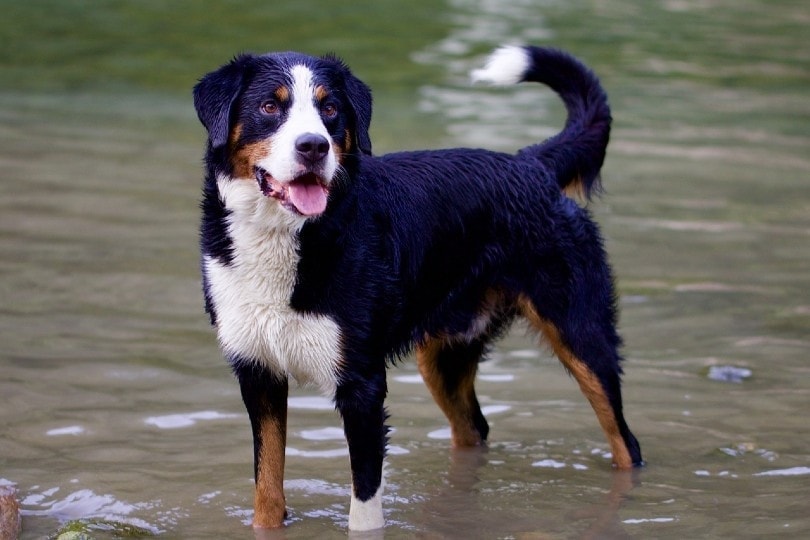
Thick, tricolored coat: The breed‘s distinctive coat, with its jet-black base, rich rust-colored markings, and bright white chest, belly, and tip of the tail, not only gives them a striking appearance but also helped protect them from the harsh Alpine climate. The thick, medium-length double coat provided insulation against the cold and wet conditions.
-
Intelligent and trainable: Bernese Mountain Dogs are known for their keen intelligence and eagerness to please, making them relatively easy to train for various tasks. They have a strong work ethic and thrive when given a job to do, whether it‘s herding livestock, pulling a cart, or simply learning new tricks.
-
Calm and good-natured: Despite their size and strength, Bernese Mountain Dogs are renowned for their sweet, even-tempered disposition. They are patient, gentle, and affectionate, making them excellent family dogs. While they may be initially reserved with strangers, they are not typically aggressive and tend to get along well with children and other pets.
-
Strong and endurant: With their broad chests, muscular legs, and sturdy bones, Bernese Mountain Dogs have the stamina and endurance to work long hours in challenging terrain. They are not prone to tiring easily and have a natural aptitude for outdoor activities and sports.
These traits not only made Bernese Mountain Dogs exceptional working animals but also contributed to their later popularity as show dogs and family pets. As veterinarian and author Dr. Monica Segal notes, "The Bernese Mountain Dog‘s combination of strength, intelligence, and gentleness is truly unique. These dogs have an incredible capacity to adapt to different roles and environments, which is why they‘ve transitioned so successfully from working dogs to beloved companions."
The Decline and Revival of the Bernese Mountain Dog
Despite their invaluable role on Swiss farms, Bernese Mountain Dogs faced a significant decline in numbers during the late 19th century. The introduction of mechanized farming equipment and the growing popularity of other dog breeds led to a sharp decrease in the Bernese Mountain Dog population. By the 1890s, the breed was on the brink of extinction, with only a few isolated pockets remaining in the remote valleys of the Berne region.
Fortunately, a group of dedicated Swiss fanciers recognized the value and beauty of the Bernese Mountain Dog and took action to save the breed. One of the key figures in this effort was Franz Schertenleib, a Swiss innkeeper and dog enthusiast who began a concerted campaign to locate and breed the best remaining examples of the Bernese Mountain Dog in 1892. Schertenleib‘s work laid the foundation for the breed‘s revival and eventual recognition by the Swiss Kennel Club in 1904.
In 1907, the first breed club for Bernese Mountain Dogs was established in Switzerland, further solidifying their status as a distinct and valued breed. As their popularity grew, Bernese Mountain Dogs began to be exported to other countries, including the United States, where they were first registered with the American Kennel Club (AKC) in 1937.
| Year | Event |
|---|---|
| 1892 | Franz Schertenleib begins efforts to locate and breed remaining Bernese Mountain Dogs |
| 1904 | Bernese Mountain Dogs recognized by the Swiss Kennel Club |
| 1907 | First breed club for Bernese Mountain Dogs established in Switzerland |
| 1937 | Bernese Mountain Dogs first registered with the American Kennel Club (AKC) |
Table 2: Key milestones in the revival and recognition of the Bernese Mountain Dog breed. Sources: Bernese Mountain Dog Club of America, American Kennel Club
Bernese Mountain Dogs in the Modern Era
Today, Bernese Mountain Dogs are cherished companions and show dogs around the world. While they may no longer be needed for their original working roles, they still retain many of the traits that made them such valuable farm dogs centuries ago.
Modern Bernese Mountain Dogs are known for their gentle, affectionate nature and their love of human companionship. They are excellent with children and generally get along well with other pets, making them ideal family dogs. As Dr. Jerry Klein, Chief Veterinary Officer of the AKC, explains, "Bernese Mountain Dogs have a well-deserved reputation as one of the most family-friendly breeds. Their patience, gentleness, and eagerness to please make them wonderful companions for households with children or other animals."
However, their large size and high energy levels mean they require plenty of space, exercise, and training to thrive. Bernese Mountain Dogs benefit from regular walks, hikes, and playtime, as well as consistent obedience training and socialization. They also have a relatively high grooming requirement due to their thick, double coats, which shed moderately throughout the year and heavily during shedding seasons.
One challenge facing the breed today is a relatively high incidence of certain health issues, such as hip dysplasia, elbow dysplasia, and cancer. According to a 2011 study by the University of Zurich, the median life expectancy for Bernese Mountain Dogs is just 8.4 years, which is lower than many other breeds of similar size. Responsible breeders are working to minimize these risks through careful genetic screening and selective breeding practices, but potential owners should be aware of these health concerns and prepared for the possibility of higher veterinary expenses.
| Health Issue | Prevalence in Bernese Mountain Dogs |
|---|---|
| Hip Dysplasia | 25-30% |
| Elbow Dysplasia | 20-25% |
| Cancer | 25-50% |
Table 3: Prevalence of common health issues in Bernese Mountain Dogs. Sources: University of Zurich, Bernese Mountain Dog Club of America
Despite these challenges, the popularity of Bernese Mountain Dogs continues to grow. In 2020, the breed ranked 22nd out of 195 breeds in the AKC‘s annual popularity rankings, up from 32nd place a decade earlier. This increasing popularity can be attributed to the breed‘s striking appearance, gentle temperament, and versatility as a companion, therapy, and show dog.
Celebrating the Legacy of Bernese Mountain Dogs
From their humble beginnings as hardworking farm dogs in the Swiss Alps to their current status as cherished companions worldwide, Bernese Mountain Dogs have a rich and fascinating history. By understanding their origins and original purpose, we can better appreciate the unique qualities that make these dogs so special.
As a dog lover and veterinarian, I am constantly amazed by the adaptability and resilience of Bernese Mountain Dogs. These gentle giants have transitioned from the rugged life of a working dog to the comfort of family homes without losing their essential character and charm. They remain loyal, loving, and always eager to please, just as they were centuries ago when they first earned their place in the hearts of Swiss farmers.
To honor the legacy of Bernese Mountain Dogs, many owners and breeders participate in activities that celebrate the breed‘s working heritage, such as carting competitions and drafting demonstrations. These events not only showcase the impressive strength and skill of these dogs but also help to preserve the traditions and history of the breed.
As we look to the future, it is crucial that we continue to prioritize the health, welfare, and responsible breeding of Bernese Mountain Dogs. By working together as a community of dog lovers, breeders, and veterinary professionals, we can ensure that these magnificent dogs remain a beloved and thriving part of our lives for generations to come.
So the next time you see a Bernese Mountain Dog, take a moment to marvel at their beauty, strength, and gentle spirit. Remember the generations of farmers who relied on these loyal dogs for their livelihood, and the dedicated breeders who fought to preserve this remarkable breed. In a world that‘s constantly changing, the enduring legacy of the Bernese Mountain Dog is a testament to the unbreakable bond between humans and their canine companions.