What Temperature Is Too Hot to Walk Your Dog? A Vet‘s Guide for Dog Lovers

As devoted dog guardians, we want our furry friends to be healthy and happy. That means giving them plenty of exercise, mental stimulation, and quality time with us. However, walking your dog in hot weather comes with serious risks that require caution and planning to mitigate.
I learned this lesson the hard way a few summers ago. It was only 80°F out, but very humid. I took my Labrador Retriever, Max, on our usual 30 minute walk at lunch time. About 20 minutes in, I noticed he was panting heavily and lagging behind me, which was very unusual for my energetic boy. We stopped in the shade and I gave him water, but he wouldn‘t drink and his gums looked alarmingly pale. I ended up carrying my 70lb dog back home and rushing him to the vet, where he was treated for heat exhaustion. It was a terrifying experience that made me much more vigilant about hot weather precautions.
Sadly, Max‘s story is all too common. Heat stroke in dogs is a serious problem, especially in the summer months. In a study of veterinary hospital records, researchers found a 390% increase in heat stroke cases between May and August compared to the rest of the year. And those are just the cases that made it to the vet – many more dogs experience milder heat stress that may go unnoticed until it‘s too late.
How Hot Is Too Hot to Walk a Dog?
As a certified professional dog trainer, I get asked this question a lot. The answer isn‘t as simple as citing a specific temperature, because multiple factors affect how well your individual dog tolerates the heat. However, there are science-backed guidelines that can help keep your pup safe.
The Tufts Animal Care and Condition (TACC) Scales are a widely used system for assessing weather safety for dogs. Developed by veterinarians, the scales assign a score from 1-5 based on temperature and humidity:
| TACC Score | Temp (°F) | Temp (°C) | Humidity | Risk Level |
| ———- | ——— | ——— | ——– | ———- |
| 1 | 50-75 | 10-24 | <80% | Safe |
| 2 | 76-80 | 25-27 | <50% | Moderate |
| 3 | 80-85 | 27-29 | 50-70% | High |
| 4 | 85-90 | 29-32 | <90% | Very High |
| 5 | 90+ | 32+ | >90% | Extreme |
At TACC 3 or above, all dogs are at risk of heat stress and walks should be kept very short or skipped entirely. Scores of 4 or 5 are downright dangerous and require immediate intervention to prevent heat stroke.
Of course, every dog will have a different threshold based on their individual risk factors, which include:
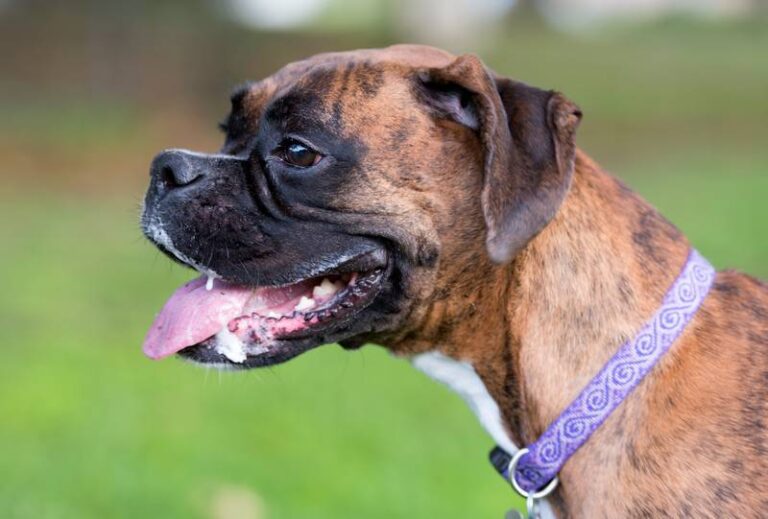
- Breed – Brachycephalic breeds like Bulldogs and Pugs are extremely heat sensitive due to their short snouts and labored breathing. Large, heavy-coated breeds like Huskies and Malamutes also overheat easily.
- Size – Small dogs have a higher surface area to volume ratio, which makes them less tolerant of extreme temperatures on either end of the scale. Very large dogs are prone to overheating because they generate more body heat.
- Weight – Overweight and obese dogs are at a much higher risk of heat stroke, as excess body fat acts as insulation and fat tissue generates more heat.
- Age and Health – Puppies, seniors, and dogs with pre-existing health conditions like heart disease or respiratory problems have a harder time regulating their temperature and can succumb to heat stress very quickly.
- Acclimation – Dogs need time to adapt to seasonal changes. A dog who‘s used to winter weather will be more sensitive to spring and summer heat.
So for a healthy, adult Labrador or Golden Retriever, 80°F might be a safe upper limit for a short walk. But for a senior Pug or an obese Husky, anything over 75°F could be potentially life-threatening.
As a general rule, if it feels uncomfortably hot to you, it‘s even worse for your dog. Dogs can‘t sweat through their skin like we can, so they rely on panting to cool off. When the humidity is high, panting becomes much less effective because the air is already saturated with moisture. This is why a humid 75°F day is often more dangerous than a dry 90°F one.
And remember, your dog can‘t tell you when they‘re feeling overheated – it‘s up to you to watch for signs of distress and take action before it escalates into an emergency.
Heat Stroke Symptoms Every Dog Owner Should Know
Heat stroke is a life-threatening condition that occurs when your dog‘s internal temperature rises to dangerous levels, typically above 106°F (41°C). It can develop rapidly and cause organ damage, seizures, loss of consciousness, and death if left untreated.
The warning signs of heat stroke in dogs include:
- Excessive panting and drooling
- Restlessness and agitation
- Very red or pale gums
- Thick, sticky saliva
- Vomiting and diarrhea
- Uncoordinated movement or collapse
- Seizures
If you spot any of these symptoms, move your dog to a cooler area immediately and contact your vet. Heat stroke is a true emergency that requires professional treatment. In the meantime, you can help cool your dog down by wetting them with lukewarm water (never ice water, which can make things worse), particularly on their belly and inside their legs. Offer fresh water to drink and get them to the closest vet as soon as possible.
Needless to say, prevention is the best medicine when it comes to heat-related illness. But when temperatures soar, how can you safely get your dog the exercise and enrichment they need?
Creative Ways to Keep Your Dog Active in the Summer Heat
As dog lovers, we know how important daily walks are for our companions‘ physical and mental well-being. But we also know that risking heat stroke is never worth it, no matter how much our dogs might plead with those big, sad eyes.
It‘s hard not to feel guilty when walks get cut short or skipped entirely because it‘s just too darn hot out. However, there are lots of ways to tire out your pup and keep them happy without setting foot outside in dangerous conditions. Here are some of my favorite summer activities:
- Indoor fetch or tug – Clear some space in your living room or a long hallway and have an energetic game of fetch with your dog‘s favorite toy. If your shoulder needs a break, a flirt pole is a great alternative that lets you exercise your dog with minimal effort on your part.
- Food puzzles – Engage your dog‘s brain and encourage their natural scavenging instincts with a frozen Kong or treat dispensing toy. You can even make your own puzzles by hiding kibble or treats around the house for your dog to sniff out.
- Swimming – If your dog enjoys the water, take them to a dog-friendly beach or pool for a refreshing dip. Just be sure to provide plenty of fresh water, take breaks in the shade, and rinse the chlorine or salt off their coat afterwards.
- Doggy play dates – Set up an indoor play date with a canine buddy to keep your dog socialized. If you don‘t have any dog owning friends, look for an indoor daycare or supervised playgroup in your area.
- Training sessions – Work on obedience training or tricks in short sessions throughout the day. Mental stimulation can be just as tiring as physical exercise for many dogs. Plus, it‘s a great bonding activity and improves your dog‘s focus and manners.
The key is to get creative and pay attention to what your individual dog finds enriching. Some dogs adore a good game of tug, while others prefer to methodically de-stuff their plush toys. Some will happily chase a flirt pole until your arm is numb, while others find trick training to be the ultimate challenge. As long as your dog is engaged, having fun, and staying cool, you‘re on the right track.
Protecting Your Pup in a Warming World
Sadly, dangerously hot days are becoming more and more common as climate change accelerates. According to the American Meteorological Society‘s State of the Climate report, 2021 was the 6th warmest year on record. The 10 warmest years have all occurred since 2010, and the trend shows no signs of slowing down.
For dog guardians, this means being extra vigilant about heat safety and adjusting our routines as needed. The Humane Society of the United States advises that heat stress in pets is likely to become more frequent and severe as temperatures continue to rise.
On an individual level, we can protect our dogs by being proactive about hot weather precautions:
- Check the temperature and humidity before walks and plan accordingly
- Stick to cooler times of day like early morning and late evening
- Make sure your dog always has access to fresh water and shade
- Provide opportunities for indoor play and enrichment on hot days
- Invest in protective gear like booties and cooling vests for added comfort
- Acclimate your dog to warmer weather gradually in the spring
- Never leave your dog in a parked car, even for a minute
It‘s also important to advocate for dog-friendly policies in a warming world. Support green spaces and tree-planting initiatives that provide shade and cooler microclimates in urban areas. Educate your friends and family about the dangers of leaving dogs in hot cars. Consider supporting organizations that are working to combat climate change and protect vulnerable populations, both human and animal.
As dog lovers, it‘s up to us to be their voice and ensure their safety in an increasingly unpredictable climate. We have a responsibility to do all we can to protect these precious creatures who bring so much unconditional love into our lives.
Key Takeaways
So, what‘s the bottom line when it comes to walking your dog in hot weather? Here are the key points to remember:
-
Pay attention to the temperature, humidity, and your dog‘s individual risk factors when deciding whether it‘s safe to walk. A good rule of thumb is if it‘s too hot for you, it‘s definitely too hot for your dog.
-
Watch for signs of heat stress like excessive panting, drooling, vomiting, and collapse. If you suspect heat stroke, get your dog to a cool area and contact your vet immediately – it‘s a life-threatening emergency.
-
Prevention is key. Walk in the cooler parts of the day, keep walks short and shaded, bring water, take breaks, and use protective gear like booties and cooling vests.
-
Get creative with indoor play and enrichment when it‘s too dangerous to walk. Puzzle toys, training games, and doggy play dates can provide much-needed exercise and mental stimulation.
-
Be an advocate for your dog and all pets in a warming world. Support green initiatives, educate others on heat safety, and do your part to reduce your carbon footprint.
As dog guardians, it‘s our privilege and responsibility to keep our beloved companions safe and healthy in all kinds of weather. By staying informed, being proactive, and listening to our dogs‘ needs, we can enjoy many more happy, tail-wagging summers together.