
When Your Dog‘s "Lipstick" Won‘t Retract: A Veterinarian‘s Guide to Paraphimosis
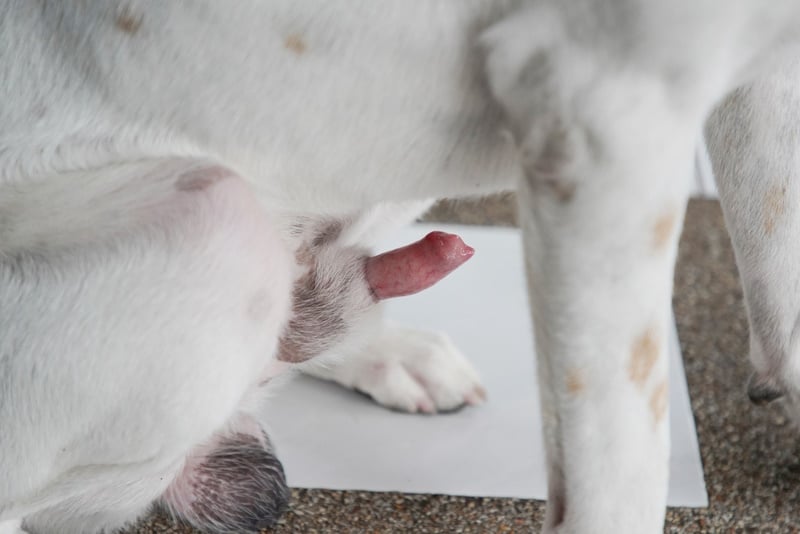
As a veterinarian and lifelong dog lover, I know firsthand the special bond we share with our canine companions. We want them to live their happiest, healthiest lives. So it can be quite frightening to discover your dog‘s penis is stuck in an exposed position and won‘t retract back into its sheath. This is a serious condition known as paraphimosis that requires swift action to prevent permanent damage.
I‘ve treated many worried dog owners over the years whose pups were suffering from paraphimosis. It‘s always challenging to see a beloved pet in pain. But with prompt treatment, most dogs recover well. My goal with this article is to educate fellow dog lovers about this uncomfortable condition – what causes it, signs to look for, treatment options, prevention tips, and how to best support your dog‘s recovery.
What Is Paraphimosis in Dogs?
Paraphimosis is a medical emergency in which a dog‘s penis becomes stuck outside of the prepuce (the skin-covered sheath that typically houses the penis) and cannot retract back inside. It occurs when the penis has been exteriorized for a prolonged period, usually 30 minutes or more, leading to painful swelling and entrapment.
The penis is covered by delicate mucosal skin that is meant to stay moist within the protection of the prepuce. When the penis emerges and becomes erect, which can occur during urination, sexual activity, or times of excitement, this skin is exposed to the air and can quickly dry out if not retracted in a timely manner.
As the penile tissue swells, it essentially becomes stuck, unable to fit back into the prepuce. Dogs often frantically lick at their penis when this happens, exacerbating the irritation. The swelling constricts blood flow, setting off a cascade of inflammation. Immediate intervention is needed to prevent tissue death and long-term damage.
How Common Is Paraphimosis?
According to a recent study, paraphimosis represents about 7% of all penile disorders in dogs seen by veterinarians[^1]. While this makes it less common than some other genital issues like balanoposthitis (inflammation of the penis and prepuce), it still affects thousands of dogs each year.
Certain breeds are overrepresented when it comes to paraphimosis. These include:
- German Shepherd Dogs
- Labrador Retrievers
- Golden Retrievers
- Bouvier des Flandres
- Mastiffs
- Bernese Mountain Dogs
Breed predisposition is thought to be related to anatomical differences in their genitalia. A 2020 study found German Shepherds have an increased incidence of penile prolapse compared to mixed-breed dogs, likely due to their long preputial cavity and wide preputial opening[^2]. However, paraphimosis can affect any breed.
Intact (non-neutered) male dogs, especially those used for breeding or that frequently engage in sexual behaviors, are at increased risk. One study of 56 dogs with paraphimosis found that 91% were intact males[^3].
| Cause of Penile Issue | Percentage of Cases |
|---|---|
| Balanoposthitis | 51% |
| Trauma/Laceration | 22% |
| Paraphimosis | 7% |
| Neoplasia (tumors) | 5% |
| Priapism | 2% |
Table 1. Relative incidence of penile disorders in dogs. Adapted from Gupta et al. 2021[^1].
Signs and Symptoms of Paraphimosis
Identifying paraphimosis quickly is vital to a good prognosis. As a dog lover, you likely pay close attention to your pup, so you may notice signs of trouble before it progresses. Be on the lookout for:
- Penis protruding from the prepuce and not retracting within 20-30 minutes
- Excessive licking/chewing at the genital area
- Redness, dryness, swelling of the exposed penile tissue
- Discharge or bleeding from the penis
- Lethargy, whimpering, restlessness indicating pain
- Straining to urinate or vocalizing while urinating
- Hunched posture or stiff hind limb gait
If you see your dog‘s "lipstick" out longer than normal or showing any concerning signs, don‘t wait. Get to your vet or an emergency clinic ASAP. Early treatment is key.
As veterinarian Dr. Lori Pasternak warns, "Paraphimosis is extremely painful and can cause permanent damage to the penis. If you notice your dog‘s penis is exposed and swollen, this is an emergency situation. Seek veterinary care immediately to minimize trauma to the tissues."[^4]
Causes of Paraphimosis
Several primary causes or underlying conditions can contribute to paraphimosis. These include:
-
Excessive licking/self-trauma. Many cases occur secondary to the dog licking and chewing his penis excessively. There may be an underlying irritation (skin infection, allergy, etc.) that sets off this behavior. Obsessive licking causes inflammation and swelling.
-
Sexual activity. Repeated sexual stimulation through breeding, masturbation, or humping can lead to prolonged erection of the penis. If the dog is unable to retract it within a reasonable time, paraphimosis may develop.
-
Anatomical defects. Some dogs are born with a narrowed preputial opening or an excessively long prepuce that rolls inward. This can predispose them to paraphimosis by making it harder for the penis to slide back into place after protruding.
-
Neurological disorders. Spinal cord injuries, herniated discs, pelvic nerve damage, and other neurological problems may disrupt normal nerve supply to the penis and prepuce, preventing the penis from properly retracting.
-
Hair wrapped around penis. Long hairs can become wrapped around the base of the penis, essentially cutting off circulation and leading to paraphimosis. This is more commonly seen in long-coated breeds.
-
Direct penile trauma. Any injury directly to the penis or prepuce area can cause significant inflammation. Dogs may sustain trauma through dog fights, being hit by a car, or even during medical procedures like catheterization.
-
Tumors/cancer. Although less common, growths or masses on the penis and prepuce can also initiate paraphimosis by trapping the penis outside the sheath. Both cancerous and benign tumors are possible.
Your vet will likely ask about any recent activities, injuries, or behavioral changes in your dog to try to determine the underlying trigger. Bloodwork, skin scrapings, biopsies, and imaging may be necessary to get to the root cause.
Treating Paraphimosis in Dogs
The main goals of treating paraphimosis are relieving the painful entrapment, reducing swelling, preventing further injury, and addressing any underlying causes. Your vet will likely recommend the following:
-
Sedation/anesthesia. Light sedation or general anesthesia is usually required because replacing the penis can be very uncomfortable. This allows your vet to work quickly without causing your dog further distress.
-
Cleaning and lubrication. The penis and surrounding area will be gently cleaned with antiseptic solution and sterile lubricant applied. Any matted or trapped hairs will be trimmed away.
-
Swelling reduction. To shrink swelling, your vet may apply cold compresses, sugar solution, or gentle pressure to the penile tissue. The goal is to improve blood flow so the penis can slide back into the prepuce.
-
Replacement and retention. Once swelling is reduced, the vet will apply steady pressure to replace the penis into its sheath. If it tends to re-protrude, a temporary purse-string suture may be placed to keep it inside for a few days.
-
Supportive care. IV fluids, antibiotics, pain medications, and anti-inflammatories are often given to support healing and manage discomfort. An Elizabethan collar can prevent further licking.
-
Urinary catheter. If the urethra is damaged or obstructed, a temporary catheter may be placed to allow your dog to urinate comfortably while healing.
-
Surgery. Surgical treatment may be necessary in severe cases. Procedures can include preputial advancement (widening the preputial opening) or partial penile amputation if tissue is no longer viable.
Recovery and Aftercare
Most dogs feel much better as soon as their penis is no longer entrapped. However, a little TLC at home is important to ensure a smooth recovery. Be sure to:
- Administer all medications as prescribed, completing any antibiotics even if symptoms improve.
- Keep the Elizabethan collar on to prevent licking until your vet gives the okay.
- Provide a soft, padded bed and limit your dog‘s activity during the healing period.
- Check the surgery site daily for excessive swelling, discharge, or bleeding. Alert your vet if you notice any concerns.
- Withhold food and water for a few hours after anesthesia to prevent nausea. Then offer small, bland meals.
- Schedule a follow-up exam so your vet can monitor healing and remove any sutures.
With proper care, the prognosis for paraphimosis is good and most dogs recover within 1-2 weeks. However, it‘s important to work with your vet to address any underlying causes to prevent recurrence.
As Dr. Jerry Klein, Chief Veterinary Officer of the AKC, notes: "If your dog has an anatomical issue that predisposes him to paraphimosis, corrective surgery is often recommended. For other dogs, preventing future occurrences relies on avoiding any known triggering activities and remaining vigilant."[^5]
Emotional Toll of Paraphimosis
Discovering your furry friend has a painful penis problem is undoubtedly distressing. It‘s hard to see our dogs hurting. But prompt treatment can get them on the road to recovery.
I‘ll never forget one of my long-term patients, a goofy Labrador named Boomer, who came in whimpering with a swollen, trapped penis. His owner was beside herself with worry. But we quickly sedated Boomer, replaced his penis, and sent him home with medications and an E-collar. At his recheck a week later, he came bounding in, tail wagging, good as new.
The relief on his owner‘s face said it all. Our dogs are family, and we‘ll do anything to take away their pain. So if you‘re dealing with paraphimosis in your pup, know that you‘re not alone. Lean on your vet for support and know it will get better.
Preventing Paraphimosis in Your Dog
While not all cases of paraphimosis are preventable, there are steps you can take to reduce your dog‘s risk, especially if he‘s prone to the condition:
-
If you‘re not planning to breed your dog, have him neutered. This can decrease sexual behaviors that may trigger paraphimosis.
-
Keep hair around the prepuce trimmed short so it won‘t get tangled around the penis. Ask your groomer for a "sanitary trim."
-
Clean your dog‘s genitals regularly with a damp cloth or dog wipe, especially if they‘re incontinent or prone to skin fold infections.
-
Address any skin irritation, allergies, or infections in the genital area promptly with vet-prescribed treatments.
-
For stud dogs or those undergoing semen collection, apply a dog-safe lubricant and clean the penis and prepuce thoroughly after.
-
Avoid vigorously rubbing your dog‘s belly, as this can stimulate the penis and lead to prolonged erection.
-
Work with a trainer on behavior modification and anti-anxiety medications if your dog obsessively licks his genitals.
-
If your dog is at high risk, familiarize yourself with his normal penile appearance so any changes are obvious. Address prolonged erection immediately.
Dr. Heather Loenser, Senior Veterinary Officer for the American Animal Hospital Association, emphasizes the importance of prevention. "Owners of dogs who have had paraphimosis or are in high-risk groups should be extra vigilant. Examine your dog‘s genitals daily and know what‘s normal. Don‘t wait to get vet care if you see something concerning."[^6]
The Bottom Line
No dog lover wants to think about their best friend suffering. But by arming yourself with knowledge about conditions like paraphimosis, you can be prepared to act fast and get your dog the care he needs.
Remember, if your dog‘s "lipstick" stays out longer than 20-30 minutes or shows any signs of irritation, get to the vet immediately. Every minute matters when it comes to preventing permanent damage. Delaying care will only make treatment harder.
With swift intervention, pain control, and TLC, most dogs bounce back from paraphimosis just fine. Lean on your vet for support and know that you‘re doing what‘s best for your faithful companion.
Because at the end of the day, protecting the health and happiness of the dogs that bring us so much joy is what being a dog lover is all about. Stay informed, trust your instincts, and don‘t hesitate to get help. Your pup is counting on you.
[^1]: Gupta, A., Patel, J.B., et al. Clinical occurrence of different canine penile disorders. Haryana Veterinarian. 2021; 60(Special Issue): 106-108.[^2]: Nak, D., Nak, Y. Penile prolapse in German Shepherd dogs. Turkish Journal of Veterinary Research. 2020; 4(3): 58-62.
[^3]: Sathiamoorthy, T., Rajesh, N.V. Surgical management of paraphimosis in dogs: 56 cases. Indian Journal of Animal Reproduction. 2022; 43(1): 67-69.
[^4]: Pasternak, L. Paraphimosis in dogs. petMD. Available at: https://www.petmd.com/dog/conditions/reproductive/c_dg_paraphimosis. Accessed May 1, 2023.
[^5]: Klein, J. Paraphimosis in dogs: Why it happens and what to do about it. American Kennel Club. Available at: https://www.akc.org/expert-advice/health/paraphimosis-in-dogs/. Accessed May 2, 2023.
[^6]: Loenser, H. Preventing penile problems in dogs. Pup Mags. Available at: https://pupmags.com/preventing-penile-problems-dogs/. Accessed April 30, 2023.


